פרעזידענט טראמפ באצייכנט די איראן אפעראציע אלס שנעל און באשליסנד
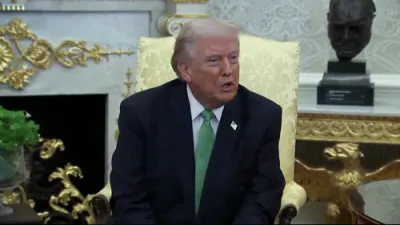
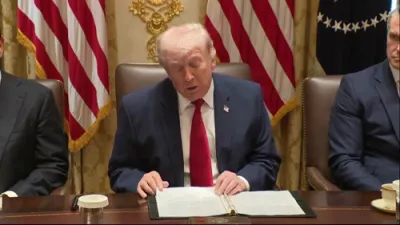
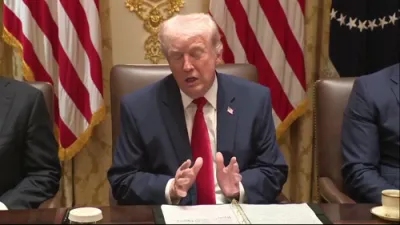
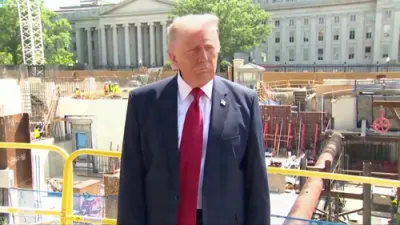
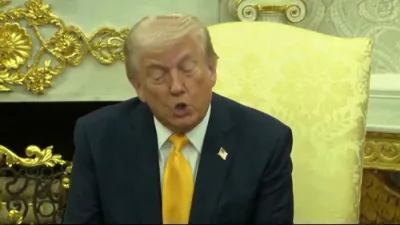
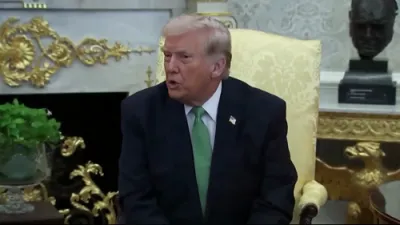
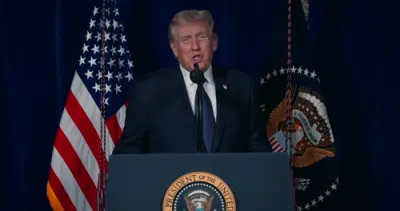
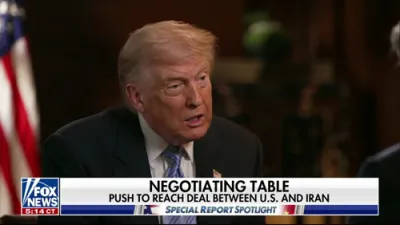
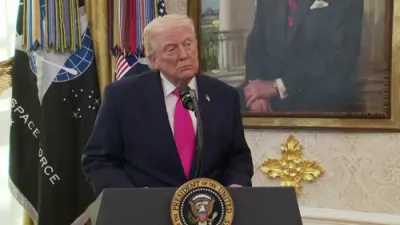
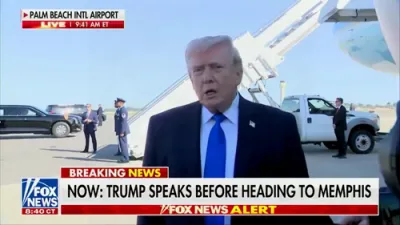
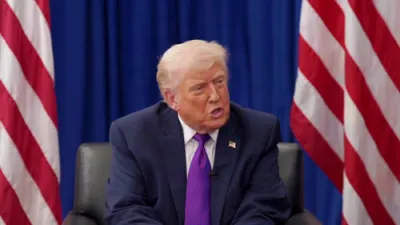
President Donald Trump described the U.S.-led military campaign against Iran as a swift and decisive operation, emphasizing that key components of Iran’s military were neutralized within days. In recent remarks, Trump stated that Iran’s navy was “wiped out almost immediately,” followed by the rapid degradation of its air force capabilities. He characterized the campaign as largely concluded in a matter of days, presenting it as a clear demonstration of American and allied military strength.
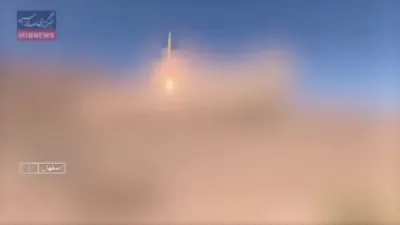
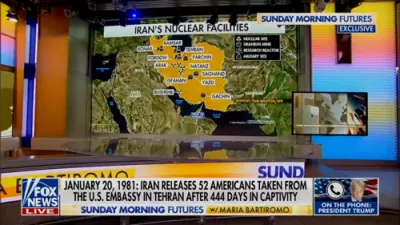
The operation, launched in late February 2026 with coordinated U.S. and Israeli airstrikes, targeted critical military infrastructure, including naval assets, air defense systems, and strategic facilities. According to the administration, these strikes significantly reduced Iran’s ability to project power and respond effectively. Trump framed the campaign as a necessary step to eliminate threats and establish long-term stability in the region.
Beyond the military objectives, Trump also outlined a broader vision for Iran’s future, suggesting that the country could become “a prosperous, wonderful place” under different leadership. He contrasted this outlook with his description of Iran as a nation currently governed through fear, indicating that the operation could open the door to political and economic transformation. Supporters view this perspective as part of a strategy aimed at both deterrence and potential regime change.
However, reports indicate that the conflict has not been without cost, with U.S. forces experiencing casualties and injuries in retaliatory actions. Analysts also caution that while initial strikes may have achieved tactical success, the broader conflict could extend over a longer period, carrying risks of escalation. As the situation continues to develop, Trump’s remarks highlight both the administration’s confidence in the operation and the ongoing debate over its long-term implications.