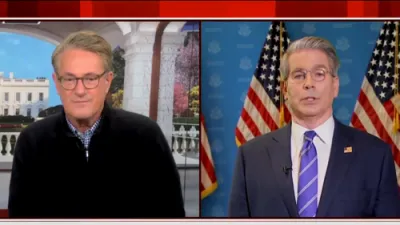
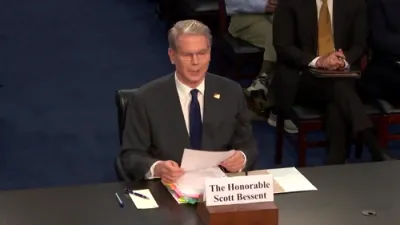
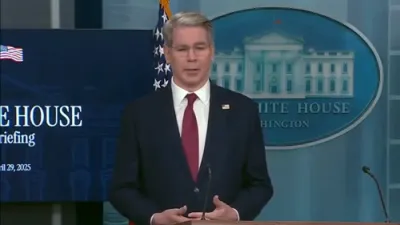
סעקרעטאר בעסענט סיגנאלירט אז אמעריקע קען ארויסלאזן סאנקציאנירטע איראנע אויל.
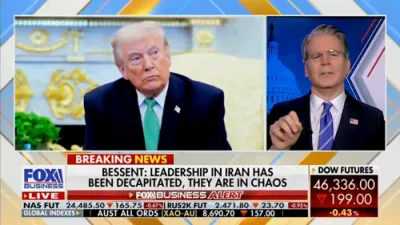
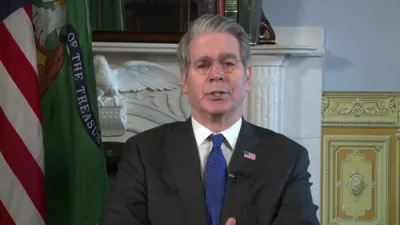
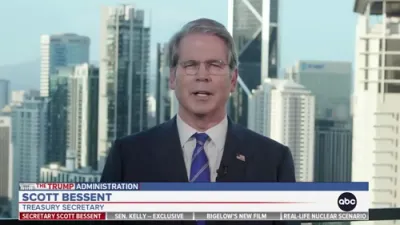
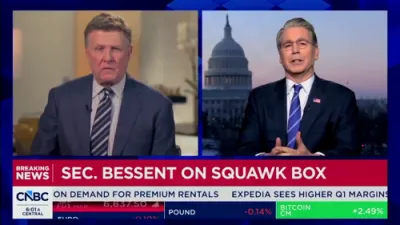
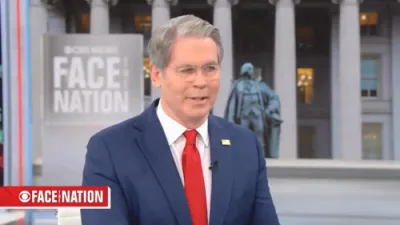
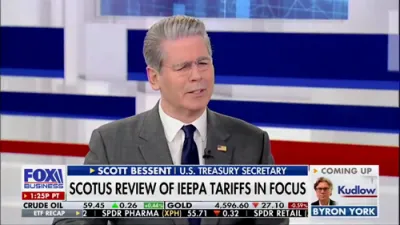
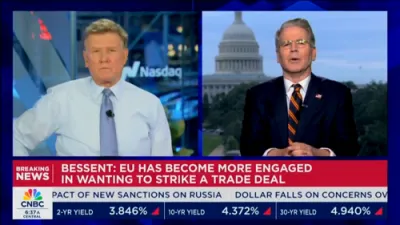
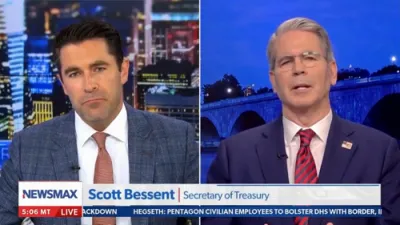
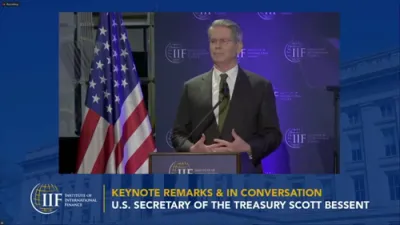
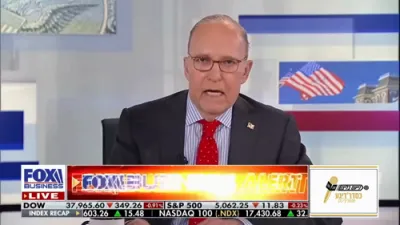
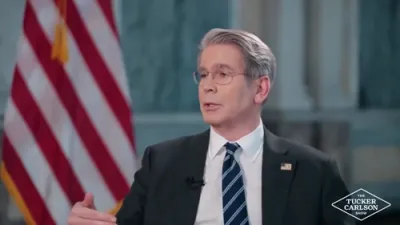
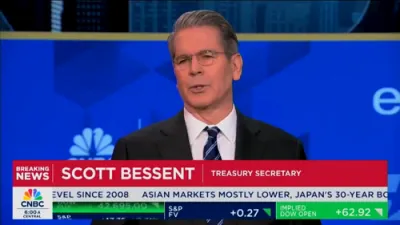
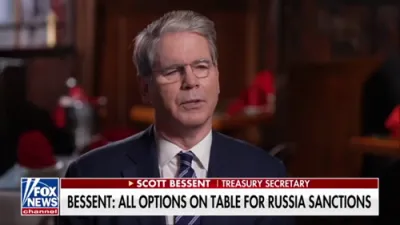
Treasury Secretary Scott Bessent said the United States may soon unsanction roughly 140 million barrels of Iranian oil currently at sea, describing it as a strategic move to hold down energy prices while continuing pressure on Tehran. Speaking on Fox Business, Bessent said the volume amounts to roughly 10 days to two weeks of supply, depending on how it is measured. His message was clear: the administration intends to use every available economic lever to weaken the Iranian regime while protecting market stability.
Bessent explained that much of this oil had been heading toward China, but Washington now sees an opportunity to turn those barrels into a tool against Iran itself. By allowing the crude to reach the market, the United States could ease short-term supply pressure and blunt price spikes tied to the current conflict. The strategy reflects a broader effort by the Trump administration to combine military action with financial and energy-market pressure.
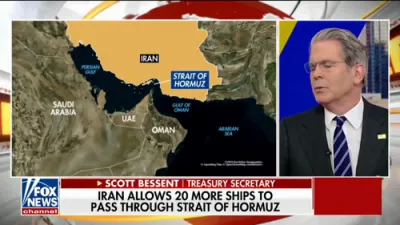
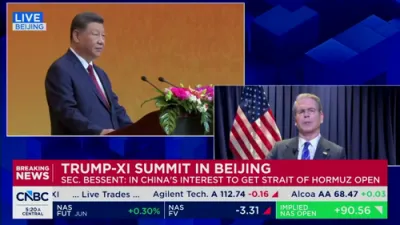
The proposal comes as global energy markets remain on edge following Iran’s reported disruption of traffic through the Strait of Hormuz. Any threat to shipping through that corridor creates immediate concern because of its central role in global oil flows. Against that backdrop, releasing Iranian barrels into the market could give the United States and its allies a short-term buffer as operations against the regime continue.
Bessent’s remarks also suggest the administration is willing to act aggressively and creatively in the economic sphere, not just on the battlefield. Rather than allowing Iranian oil to serve Tehran’s interests, the administration wants to redirect that supply in a way that limits revenue and reduces broader economic fallout. Supporters of the strategy argue it would deny Iran a pricing advantage while helping shield American consumers and allies from sudden energy shocks.
Even so, the move highlights the complexity of fighting a regional war while trying to preserve global market confidence. Flooding the market may help in the near term, but longer-term volatility could remain if the conflict intensifies or shipping disruptions persist. For now, Bessent’s comments signal that the administration is preparing to use oil, sanctions, and market access as part of a wider campaign to keep Iran under pressure from every angle.