אנטיסעמיט ניק פוענטוס זאגט אז די 'אינעווייניגסטע פיינט' ברענגען די איראנע קריג...
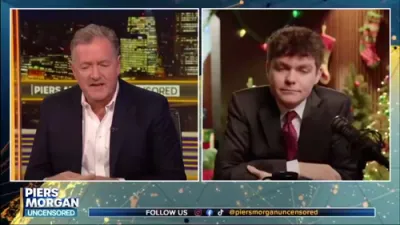
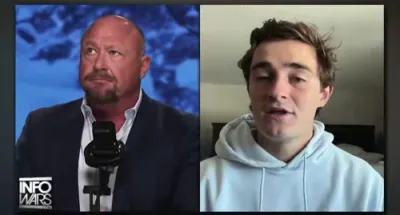
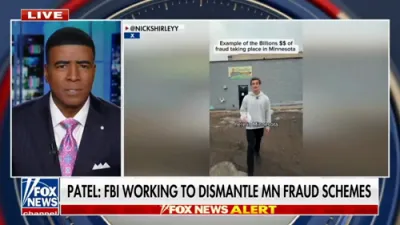
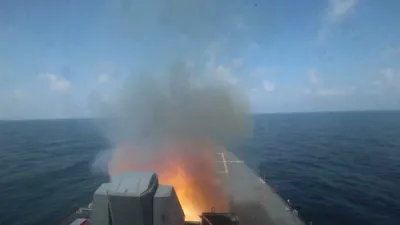
Far-right commentator Nick Fuentes has drawn attention for his recent remarks on Iran, arguing that the Islamic regime is not the primary threat to the United States. Instead, he claims that America’s “enemy is within,” pointing to domestic issues such as government corruption as the nation’s true concern. Fuentes’ comments come amid ongoing U.S.-Israeli military operations targeting Iran’s nuclear and missile programs, signaling a stark contrast between his isolationist perspective and the current administration’s proactive stance.
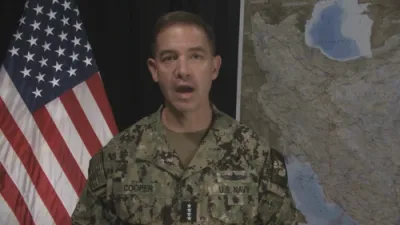
As of March 2026, Iran has not been confirmed to possess nuclear weapons according to International Atomic Energy Agency reports. However, recent tests of 4,000-kilometer-range missiles toward a U.S.-UK base in the Indian Ocean indicate Tehran is pushing the limits of its capabilities. While these missiles remain far from reaching the U.S. mainland, the launches underscore continued escalation and the potential threat to regional and allied forces.
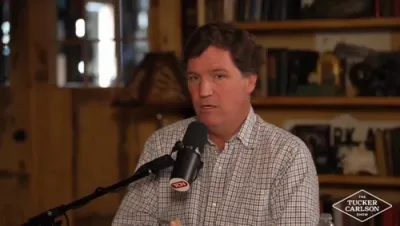
Fuentes’ position reflects a broader division among U.S. conservatives regarding foreign policy in the Middle East. His isolationist perspective echoes “America First” critiques, questioning the justification for supporting Israel or intervening in Iran’s nuclear ambitions. Supporters praise his focus on domestic priorities, while critics warn that downplaying external threats undermines national security and emboldens adversaries.
The exchange has also drawn controversy online, with replies to Fuentes’ statements revealing antisemitic undertones alongside vigorous defenses from both anti-interventionists and hawkish commentators. This highlights the polarized nature of U.S. debates on Iran policy and the tension between national security priorities and ideological perspectives within the conservative movement.
Fuentes’ remarks arrive at a critical juncture in the 2026 U.S.-Israel-Iran conflict, where military actions and political rhetoric intersect. As missile tests and targeted strikes continue, debates over how America should respond remain highly charged, reflecting a complex balance between protecting allies, defending U.S. interests, and addressing domestic political concerns.