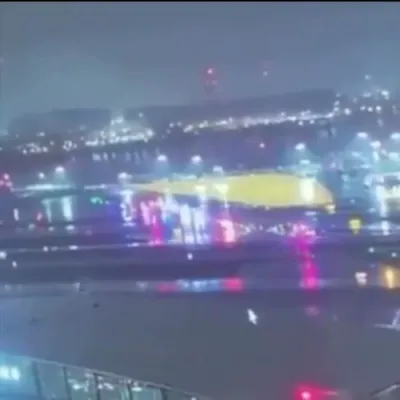
די ווידיאו פון די קרעש דעם זונטאג נאכט אין לאגווארדיע לופטפעלד
Preliminary reporting points to a serious communication breakdown inside the control system as the rescue truck moved onto the active runway while the aircraft was still rolling after landing. Investigators are examining whether a controller, reportedly handling multiple responsibilities during another emergency, cleared the truck to cross without fully accounting for the arriving jet. Audio and early accounts suggest frantic last-second efforts were made to stop the vehicle, but the warning came too late. The result was a devastating runway collision that has intensified concerns about aviation safety and staffing.
The impact killed both pilots aboard the Air Canada Express flight and left passengers and emergency personnel injured in the violent crash. Reports indicate more than 40 people were hurt, with several taken to hospitals as first responders rushed to the scene. Images from the aftermath showed severe damage to the front of the aircraft and wreckage scattered across the runway. The incident stunned both U.S. and Canadian aviation officials and drew immediate scrutiny from federal investigators.
The National Transportation Safety Board is now leading the investigation, with a central focus on runway procedures, controller actions, and the sequence of communications that led to the tragedy. The crash also renewed broader questions about whether America’s strained air traffic control system is being asked to do too much with too little margin for error. For travelers and aviation professionals alike, the newly surfaced video is a chilling reminder that a single breakdown in coordination can turn a routine landing into disaster. As investigators sort through the evidence, the loss of two pilots and the injuries suffered by passengers stand as the human cost of a system failure that should never have happened.