טראמפ זאגט אז ער שטופט אפ פרישע אטאקעס אויף איראן נאך גאר גוטע געשפרעכן
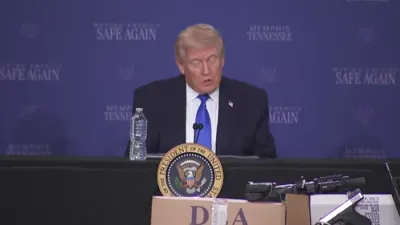
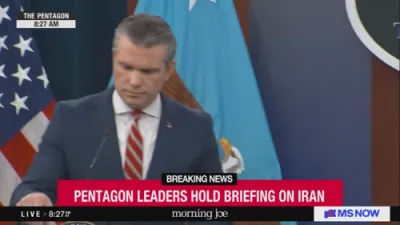
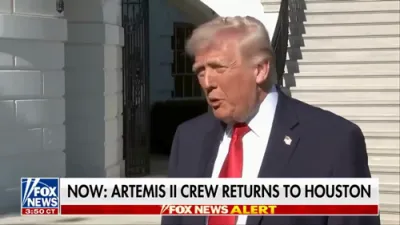
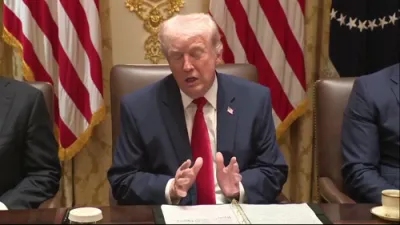
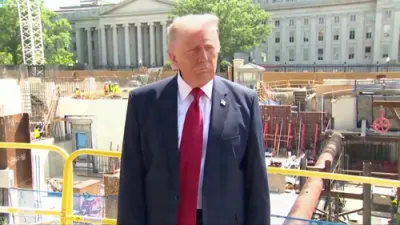
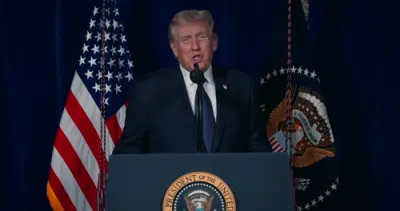
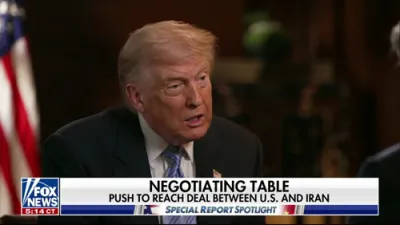
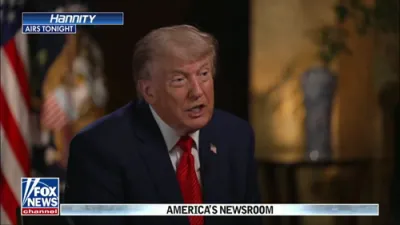
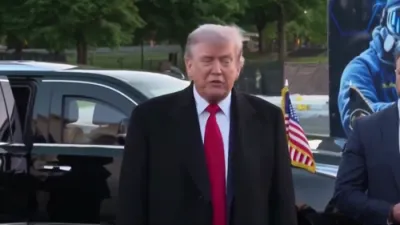
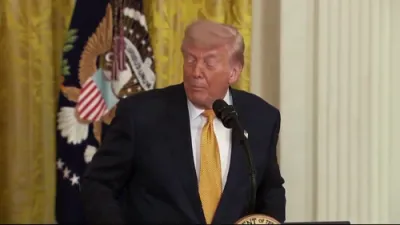
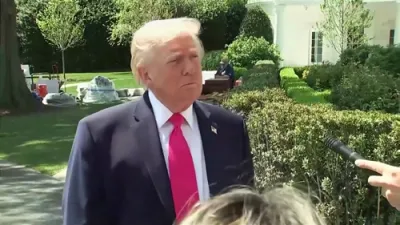
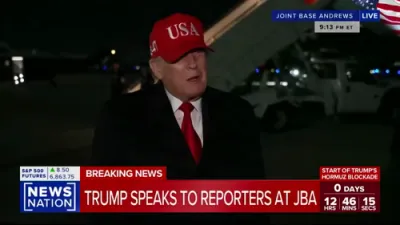
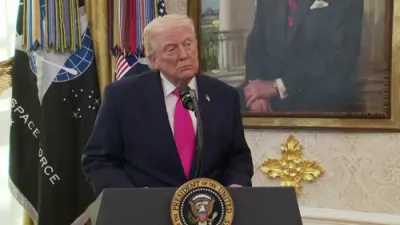
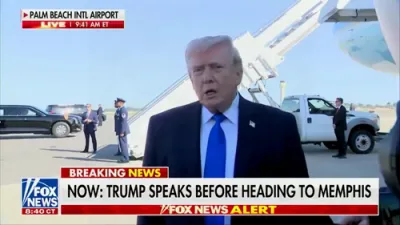
Speaking at an event in Memphis, President Donald J. Trump said Iran now “means business” in its dealings with the United States and pointed to what he described as very good discussions as the reason he chose to delay planned strikes on Iranian power plants. Trump said those talks convinced him to postpone attacks on Iran’s energy infrastructure for five days, signaling that the administration sees at least a possible opening for de-escalation. The decision came as the conflict entered its fourth week after hostilities erupted on February 28. His remarks framed the pause not as weakness, but as a strategic decision based on what he sees as serious movement from Tehran.
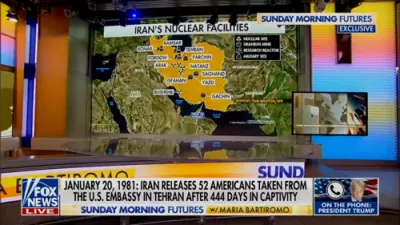
The temporary reprieve applies specifically to Iranian energy-related targets, while broader military pressure on the regime and its strategic assets remains firmly on the table. Reports indicate the administration is still prepared to continue striking military sites, missile infrastructure, naval assets, and other regime-linked targets if diplomacy fails to produce results. That posture allows Trump to project both restraint and resolve, keeping economic pressure and military leverage in place at the same time. For supporters of the administration, it reinforces the argument that peace through strength can create openings that endless appeasement never could.
Iranian officials, however, publicly rejected Trump’s account and denied that formal negotiations with Washington were underway. Tehran-linked figures accused the White House of pushing a diplomatic narrative to calm markets and drive down energy prices at a moment of severe global instability. Their denials did little to stop an immediate market reaction, as oil prices dropped sharply following Trump’s announcement and broader investor sentiment improved. The price move reflected hope that a pause in attacks on Iran’s energy sector could prevent an even deeper shock to already strained global supply chains.
Even with the temporary delay, the broader conflict remains volatile and unresolved. The administration has not backed away from its larger objectives of weakening Iran’s war-making capacity, restoring deterrence, and protecting U.S. and allied interests in the region, especially Israel. Trump’s comments suggest he believes pressure is working, even as Tehran continues to deny that meaningful talks are taking place. For now, the five-day pause has created a narrow diplomatic window, but whether it leads to a durable breakthrough or merely postpones another round of strikes will depend on what happens next.