בלעקראק CEO דרוקט אויס די עקאנאמישע שאק פון די איראנע קריג
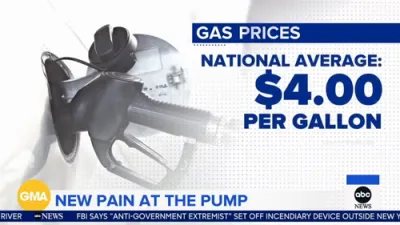
Larry Fink has warned that global oil prices could surge dramatically if tensions involving Iran persist, even if active conflict subsides. In a recent interview, Fink stated that oil could rise above $100 per barrel and potentially approach $150 for an extended period. He emphasized that the continued threat to key energy routes, particularly the Strait of Hormuz, could sustain long-term market instability.
Fink’s remarks highlight the strategic importance of the Strait of Hormuz, a critical chokepoint through which a significant portion of the world’s oil supply flows. Disruptions in this region, whether through conflict or perceived risk, can quickly translate into higher global energy prices. Analysts note that even partial instability can create lasting upward pressure on markets.
The economic implications of such a surge could be severe. Fink cautioned that prolonged high energy costs would likely trigger a global recession by increasing inflation and slowing economic growth. Historical models and financial forecasts suggest that rising oil prices have a direct negative impact on global GDP, amplifying risks across multiple sectors.
Beyond immediate price shocks, sustained high oil costs could reshape global economic dynamics. Industries dependent on energy-intensive processes would face increased costs, while consumers would see higher prices for goods and transportation. Governments may also be forced to adjust monetary and fiscal policies to manage inflationary pressures.
Overall, Fink’s warning underscores the interconnected nature of geopolitical risk and global economic stability. As tensions in the Middle East continue, energy markets remain highly sensitive, with potential ripple effects that could influence economic conditions worldwide for years to come.