קואוועיטישע כוחות האבן איינגעהאלטן פליפעלד פייער אויסגעלאזט דורך די IRGC.
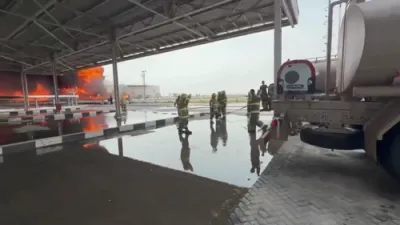
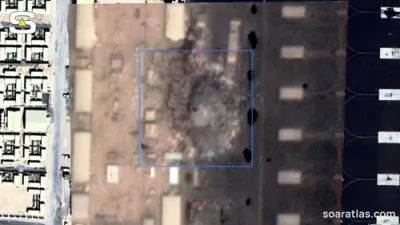
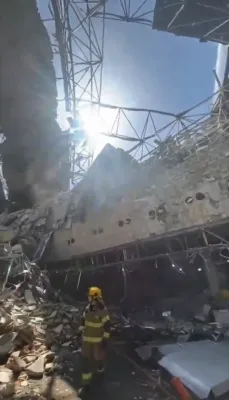
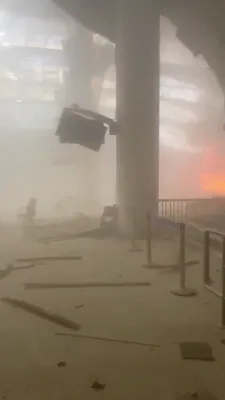
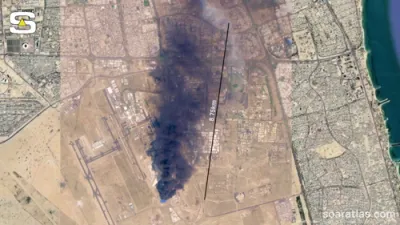
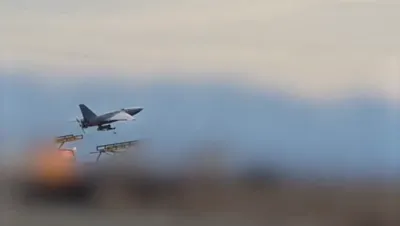
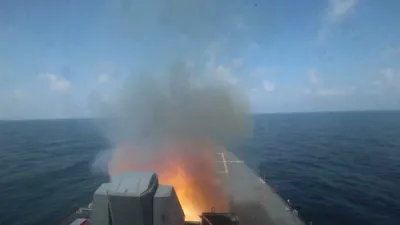
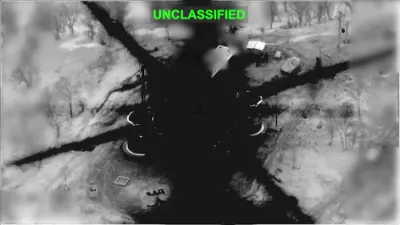
Kuwaiti Army firefighting units are actively supporting the General Fire Force in containing a major blaze at Kuwait International Airport, following an Iranian IRGC drone strike targeting fuel storage tanks on March 25, 2026. Video footage shows firefighters working under intense conditions to suppress flames engulfing sections of jet fuel reserves. Despite the scale of the incident, no casualties have been reported, though partial damage to fuel infrastructure and radar systems has been confirmed. Authorities have described the situation as a serious but controlled emergency.
The response effort has involved coordinated operations between military and civilian firefighting teams, with suppression activities extending over two days. Specialized equipment and continuous monitoring have been deployed to prevent further escalation and ensure the safety of surrounding airport facilities. Officials emphasized that rapid containment efforts helped avoid broader damage to critical aviation infrastructure. The incident underscores the importance of emergency preparedness in high-risk strategic locations.
Kuwait has strongly condemned the attack, labeling it a violation of national sovereignty and a dangerous escalation in regional tensions. The strike is viewed as part of Iran’s broader strategy of targeting Gulf states that host U.S. military assets, amid the ongoing shadow conflict involving Israel and Iran. Analysts note that such actions increase instability across the region and raise concerns about the security of vital economic and transportation hubs.
The attack on Kuwait International Airport highlights the vulnerability of energy and logistics infrastructure to drone-based warfare. As unmanned aerial systems become more advanced and accessible, they are increasingly used in asymmetric conflicts to disrupt operations and send political signals. Security experts stress the need for enhanced air defense systems and regional cooperation to counter these emerging threats.
Overall, the firefighting efforts at the airport demonstrate Kuwait’s resilience and capacity to respond effectively to emergencies under pressure. While the immediate threat has been largely contained, the broader implications of the attack continue to reverberate across the region. The incident serves as a stark reminder of the evolving nature of conflict in the Middle East and the challenges posed by unconventional warfare tactics.