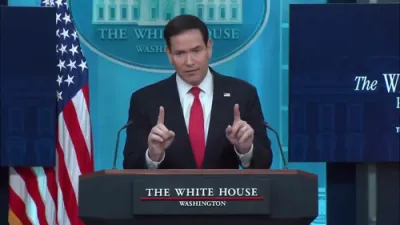
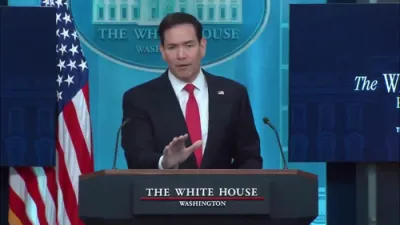
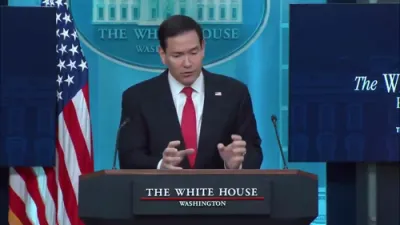
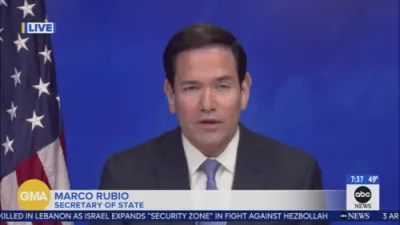
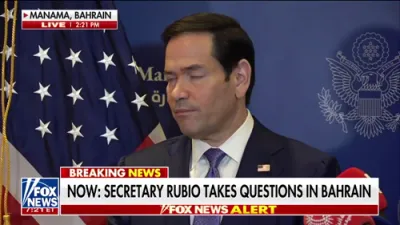
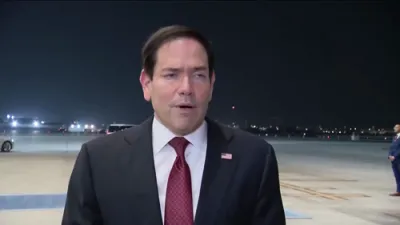
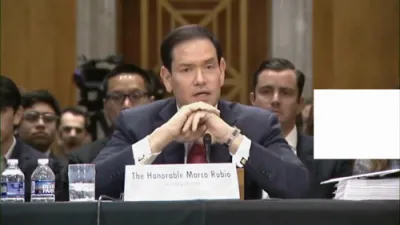
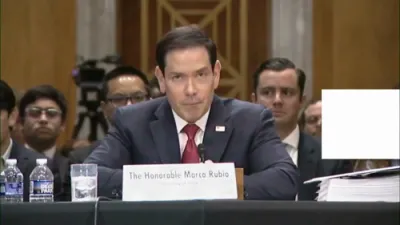
סעקרעטאר רוביא ווארנט אז איראן קען ארויפשטעלן א נייע טעקס אויפן שטראז פון הארמוז.
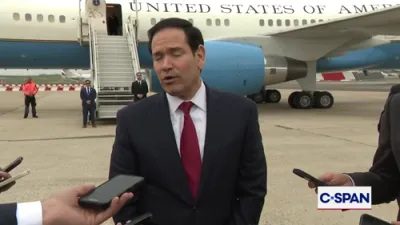
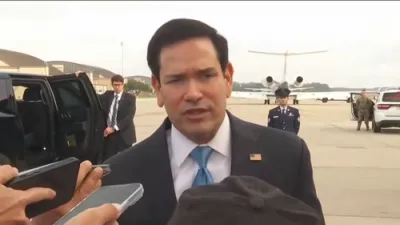
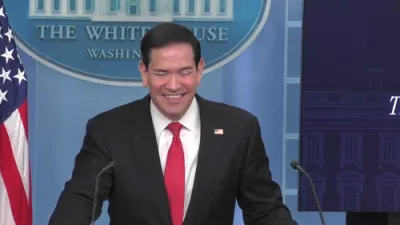
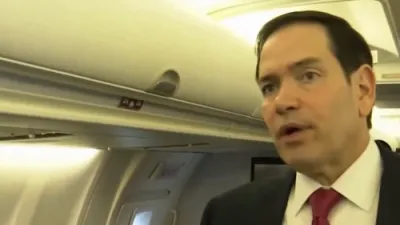
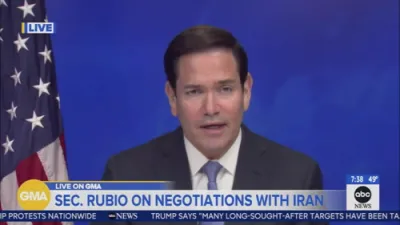
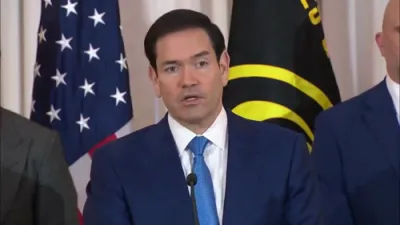
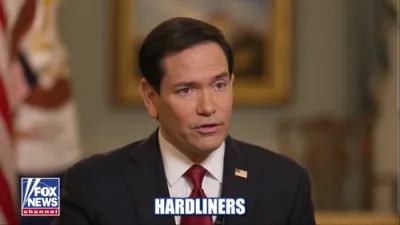
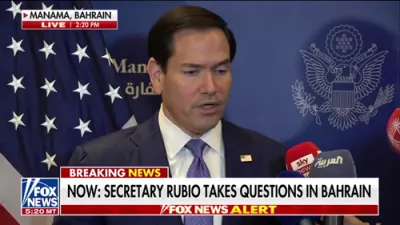
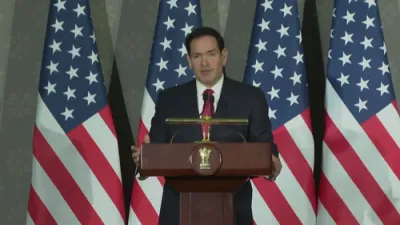
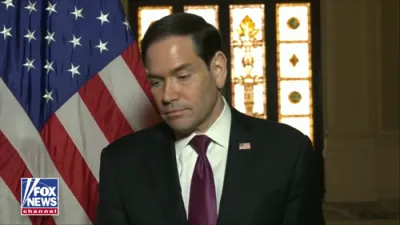
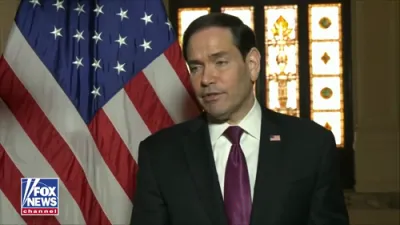
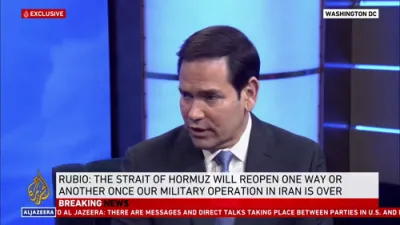
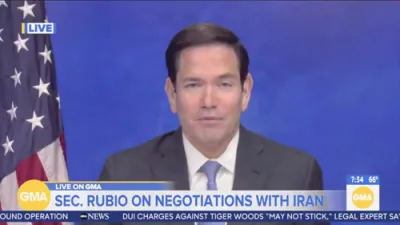
Secretary of State Marco Rubio warned in a recent C-SPAN interview that following the conclusion of the 2026 U.S.-led military operation against Iran, Tehran could attempt to impose an illegal tolling system in the Strait of Hormuz. Such a move could disrupt approximately 20% of global oil trade, with significant implications for both energy markets and international security. Rubio emphasized that the U.S. and allied nations, including the G7 and key Asian powers, must co-lead enforcement and monitoring efforts to ensure freedom of navigation.
Observers highlight that Rubio’s comments reflect a broader U.S. strategy to maintain dominance in the Persian Gulf region, combining military precision with diplomatic coordination. The focus on the Strait of Hormuz underscores the intersection of energy security and military operations, as even brief disruptions could reverberate through global markets. Preparing in advance, Rubio argued, is critical to preventing Iran from exploiting post-conflict vulnerabilities.
Overall, Rubio’s warning illustrates the ongoing challenges the U.S. faces in shaping post-conflict conditions in the Middle East. Securing international waterways like the Strait of Hormuz will be essential to protecting global energy stability and deterring Iran from taking aggressive or opportunistic actions once hostilities have formally ended.