רעפובליקאנער סענאטאר ריק סקאט דרינגט צו ענדיגן פיליבאסטער כדי דורכצופירן טראמפ'ס אגענדע.
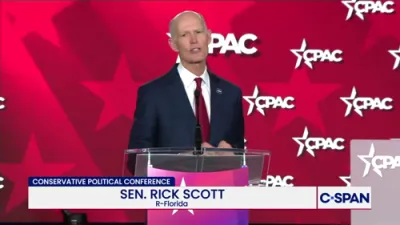
Senator Rick Scott called for the elimination of the Senate filibuster during remarks at CPAC on March 29, 2026, arguing that the procedural rule is obstructing the passage of President Trump’s agenda. Scott emphasized that a simple majority vote should be sufficient to advance what he described as “commonsense” policies, rather than the current 60-vote threshold required to overcome a filibuster. His comments reflect growing frustration among some Republicans who believe key legislative priorities are being stalled unnecessarily.
Scott specifically pointed to initiatives such as voter integrity measures, including the SAVE Act, as examples of legislation that should move forward without procedural delays. He argued that maintaining the filibuster allows a small number of senators to block policies supported by a broader majority, framing the issue as one of democratic efficiency versus obstruction. The proposal signals a shift toward prioritizing legislative speed and policy execution.
The remarks also highlight internal tensions within the Republican Party, particularly regarding leadership and strategic direction in the Senate. Senate Majority Leader John Thune has faced criticism from some conservatives who believe the party should take a more aggressive approach to advancing Trump-aligned policies. Calls to reconsider leadership priorities and tactics have intensified in light of ongoing legislative gridlock.
Scott’s position aligns with a broader debate over the role of the filibuster in modern governance. Supporters of abolishing it argue that it enables decisive action and prevents minority obstruction, while opponents warn that it protects minority rights and encourages bipartisan compromise. The issue has historically divided lawmakers across both parties, depending on political circumstances.
Overall, Scott’s push to eliminate the filibuster underscores a strategic effort to accelerate the implementation of the Trump administration’s policy agenda. As debates continue within the GOP and across Congress, the future of the filibuster remains a central question in determining how legislation will be passed in an increasingly polarized political environment.