טראמפ זאגט אז איראן איז מער אפן אין פריוואטע געשפרעכן
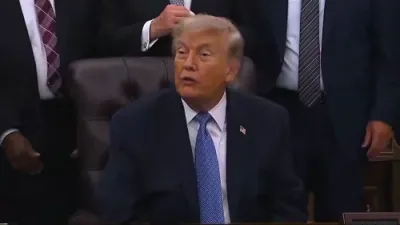
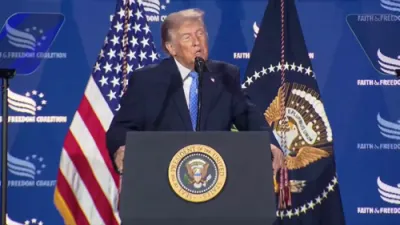
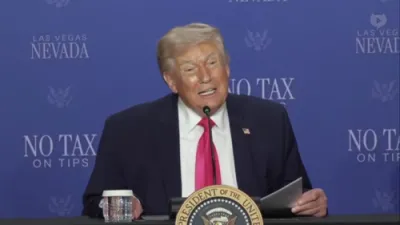
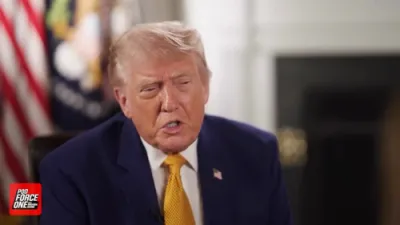
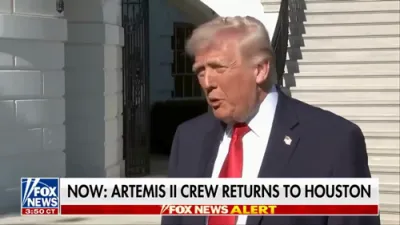
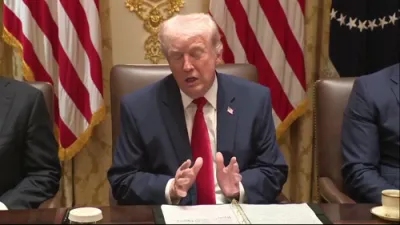
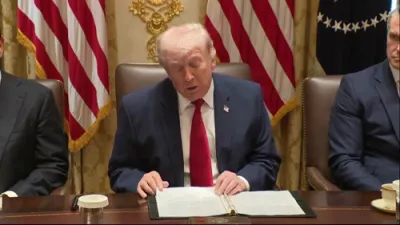
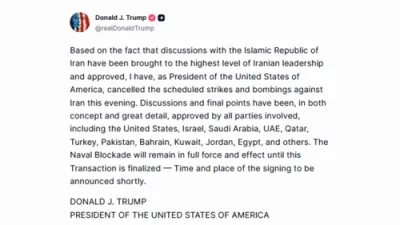
President Donald Trump, in a recent interview with NBC News, expressed strong optimism that the United States can secure a peace agreement with Iran following weeks of heightened conflict. He emphasized that ongoing diplomatic efforts are progressing, pointing to what he described as a more cooperative tone from Iranian leadership during private discussions. According to Trump, Iranian officials present a markedly different stance behind closed doors compared to their public messaging. This contrast, he suggested, reflects a willingness to reach terms under the right conditions.
Trump also issued a clear warning regarding the consequences of failed negotiations, stating that if an agreement is not reached, the outcome would be “very painful” for Iran. His remarks reinforce a strategy that blends diplomatic engagement with credible pressure, a hallmark of his administration’s foreign policy approach. The President further asserted that Iran has been significantly weakened, claiming it has effectively been “conquered” and lacks meaningful military capacity. These statements signal confidence in the U.S. negotiating position as talks intensify.
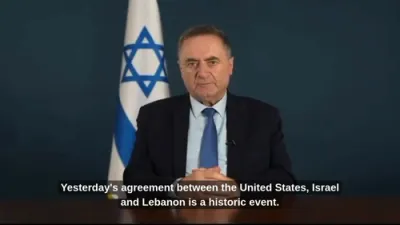
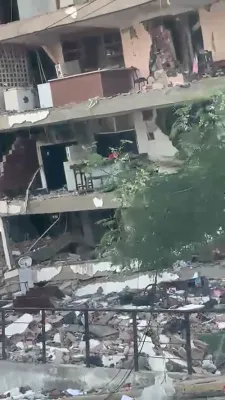
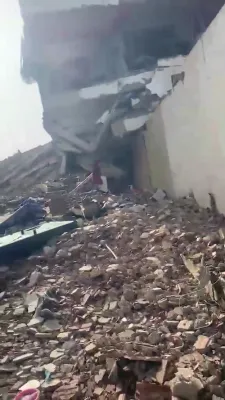
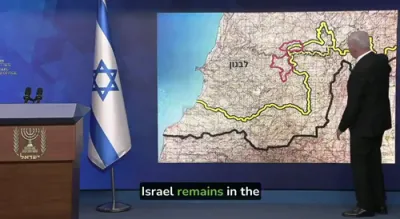
The comments come amid a fragile ceasefire following nearly six weeks of sustained hostilities across the region. While the truce has reduced immediate large-scale conflict, tensions remain elevated, particularly with ongoing Israeli military operations against Hezbollah in Lebanon. These dynamics have complicated the broader diplomatic landscape, as multiple fronts and actors continue to influence the stability of the ceasefire. As a result, negotiations are taking place under significant pressure to deliver tangible outcomes.
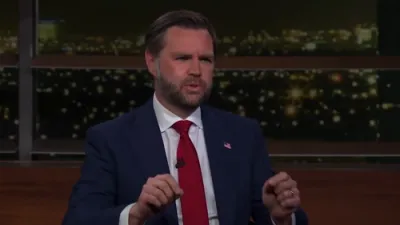
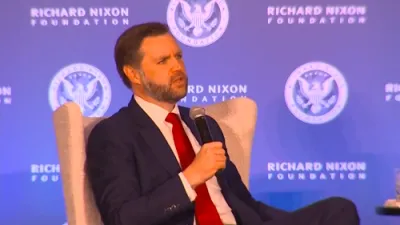
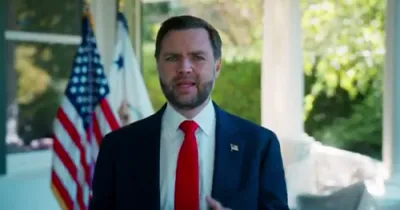
High-level talks are scheduled to take place in Pakistan, with Vice President JD Vance expected to play a leading role in the negotiations. The discussions are seen as critical to determining whether the ceasefire can transition into a longer-term agreement. Meanwhile, disruptions in the Strait of Hormuz continue to impact global shipping, underscoring the economic stakes tied to regional stability. Both sides face mounting incentives to reach a resolution that addresses security and economic concerns.
Trump’s remarks highlight a broader narrative that Iran’s leadership may be more flexible than publicly acknowledged, particularly when faced with sustained pressure. However, questions remain about Iran’s remaining leverage and its willingness to commit to long-term constraints. As negotiations approach, the balance between diplomacy and deterrence will likely define the trajectory of U.S.-Iran relations. The coming days are expected to be decisive in shaping whether optimism translates into a concrete agreement.