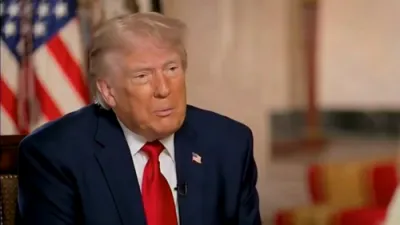
רעדנדיג צו ריפארטערס זאגט טראמפ אז אמעריקע געווינט די מלחמה
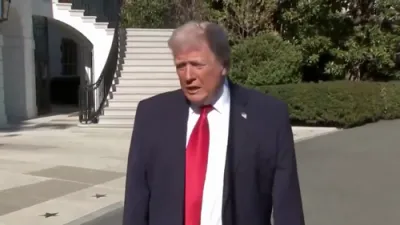
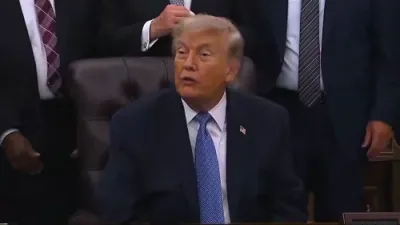
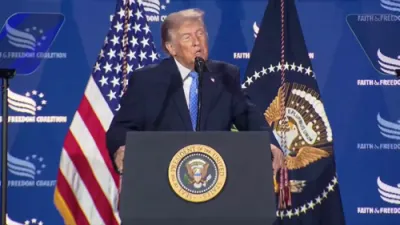
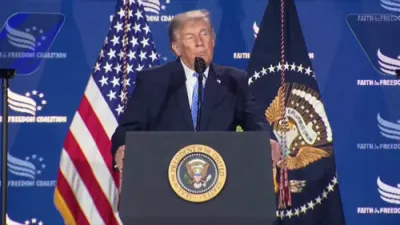
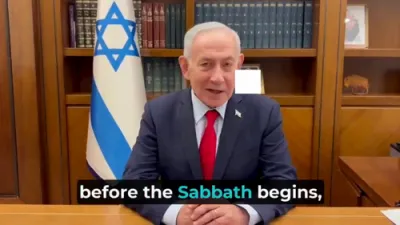
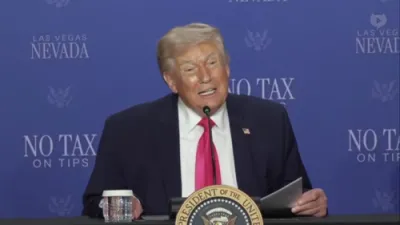
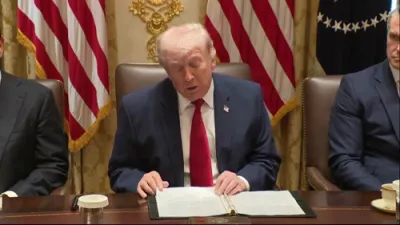
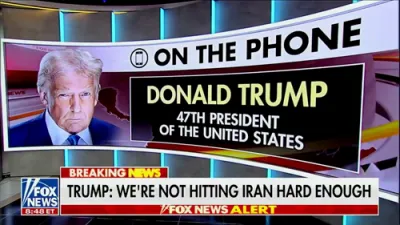
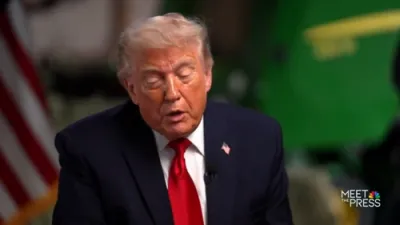
President Donald Trump has declared that the United States holds a decisive advantage in its ongoing confrontation and negotiations with Iran, asserting that America has already secured victory regardless of any final diplomatic outcome. In a recent video statement, Trump emphasized that the U.S. has “defeated them militarily,” pointing to actions taken against Iranian naval assets and mine-laying capabilities in the Strait of Hormuz. He framed the current negotiations as a position of strength, reinforcing his long-standing doctrine that leverage is maximized through decisive military action. The remarks come as high-level talks continue, with global attention focused on the potential reopening of critical shipping lanes.
The broader context of Trump’s statement is the 2026 U.S.-Israel military campaign against Iran, which began on February 28 and targeted key nuclear and missile infrastructure. The conflict reportedly resulted in significant strategic setbacks for Iran, including the death of Supreme Leader Ayatollah Ali Khamenei. Following weeks of escalation, a temporary two-week ceasefire has allowed diplomatic channels to reopen, with negotiations taking place in Islamabad. Trump’s messaging underscores a belief that these talks are not about compromise, but rather about formalizing terms from a position of overwhelming superiority.
Trump also highlighted ongoing U.S. military operations in the region, including the deployment of minesweepers tasked with securing the Strait of Hormuz. This vital waterway remains a focal point of geopolitical tension, given its importance to global energy markets and international trade. While Trump asserts operational control and security improvements, reports indicate that elements of the strait remain under partial Iranian management during the ceasefire. This dual reality reflects the complexity of the situation on the ground, even as U.S. leadership projects confidence in its strategic posture.
In addition to outlining military and diplomatic developments, Trump sharply criticized media coverage of the conflict, dismissing what he described as “Fake News” narratives. He argued that public perception is being distorted by outlets unwilling to acknowledge the scale of U.S. success. This critique resonates with his broader communication strategy, which often positions his administration in direct opposition to mainstream media interpretations. The divide in public reaction is evident, with supporters praising the administration’s assertive stance while critics question the long-term stability of the current approach.
Ultimately, Trump’s statement reflects a broader strategic narrative: that the United States has fundamentally reshaped the balance of power in the region and now dictates the terms of engagement. Whether this perspective translates into a lasting diplomatic resolution remains uncertain, particularly given the fragile nature of the ceasefire and ongoing negotiations. Analysts continue to monitor developments closely, as the outcome of these talks could have far-reaching implications for regional stability and global economic security. For now, the administration maintains that it has already achieved its primary objectives, with or without a formal agreement.