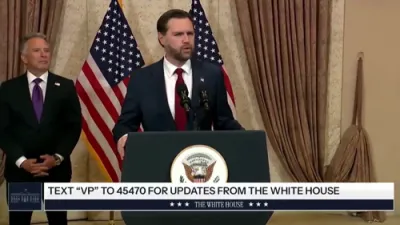
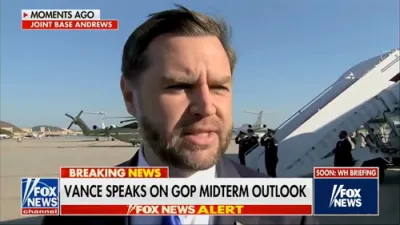
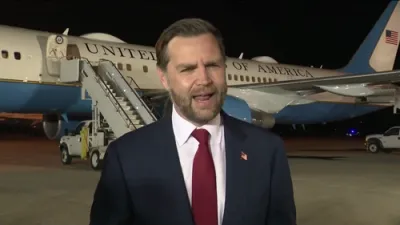
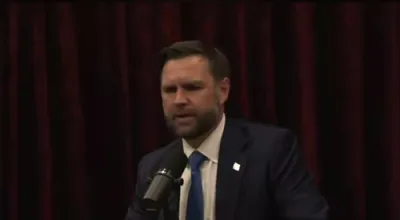
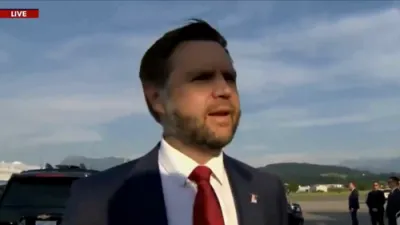
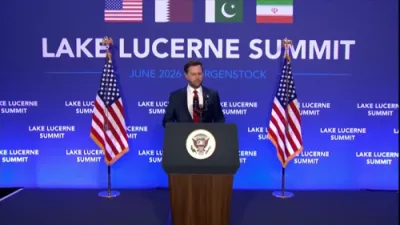
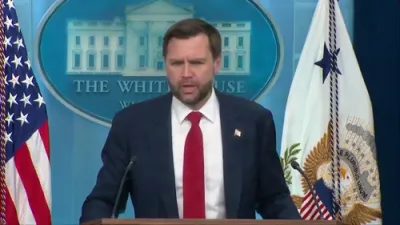
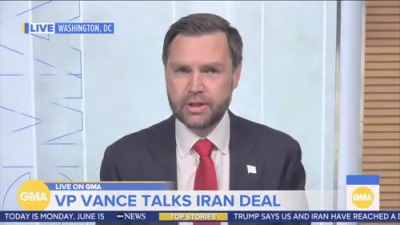
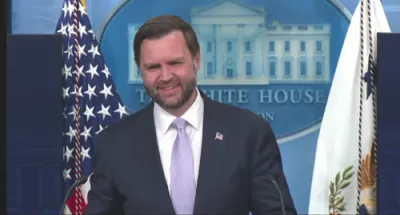
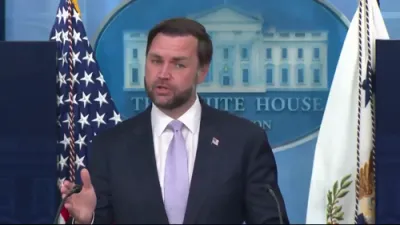
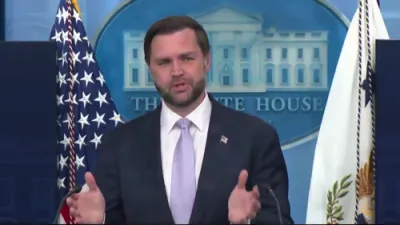
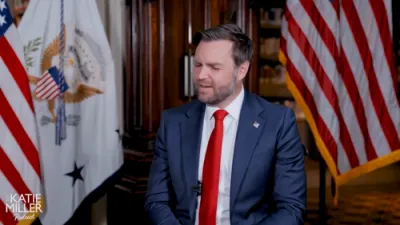
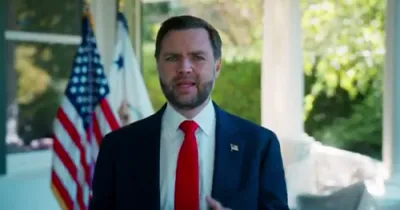
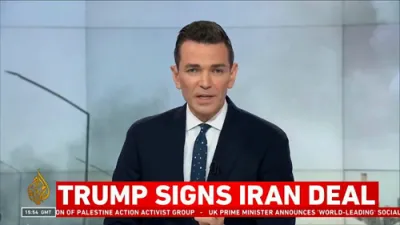
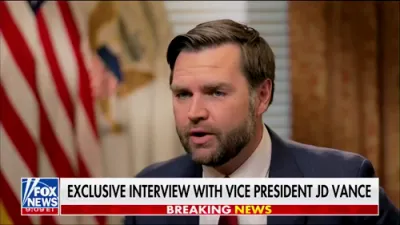
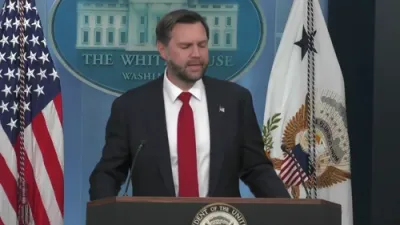
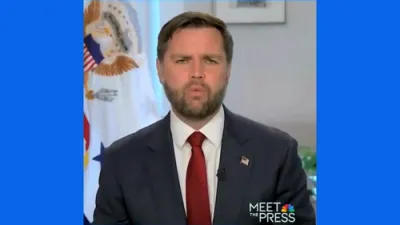
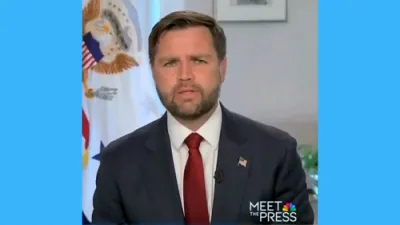
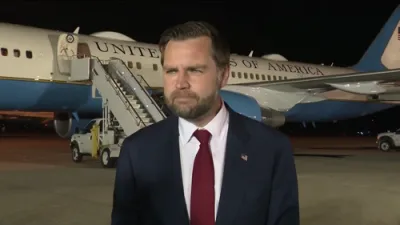
אין א פרעסע קאנפערענץ היינט צופרי אין פאקיסטאן האט ווענס געמאלדן אז די פארהאנדלונגען מיט איראן איז דורכגעפאלן, און ווענס איז יעצט אויפן וועג אהיים צוריק קיין אמעריקע.
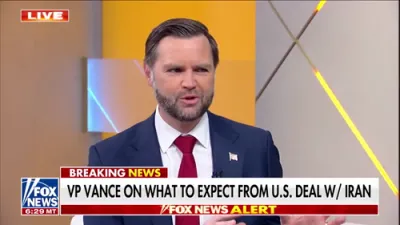
Vice President JD Vance confirmed that high-stakes negotiations between the United States and Iran have collapsed after 21 hours of intensive discussions in Pakistan. The talks, which were seen as a rare diplomatic opening, ended without any agreement as the U.S. delegation departed the negotiation table. According to Vance, while there were substantive exchanges on multiple issues, the central sticking point remained Iran’s refusal to commit to abandoning its nuclear weapons ambitions. The outcome marks a significant setback in efforts to de-escalate tensions in the region.
The negotiations were particularly notable as they represented the first high-level, face-to-face engagement between U.S. and Iranian officials since 1979. Hosted by Pakistan as a neutral mediator, the talks carried substantial geopolitical weight amid ongoing instability in the Middle East. Expectations had been cautiously optimistic, with some analysts hoping for at least a framework agreement or confidence-building measures. However, the inability to reach consensus on the nuclear issue ultimately derailed the process.
Vance emphasized that the United States entered the talks in good faith, seeking a verifiable commitment from Iran to halt any pursuit of nuclear weapons. He pointed out that Iran’s unwillingness to make such assurances left Washington with little choice but to walk away. Framing the outcome strategically, Vance argued that the failure of the talks is more damaging to Iran’s international standing than to U.S. interests. This messaging aligns with the administration’s broader effort to maintain pressure on Tehran while reinforcing alliances with regional partners.
The collapse of the negotiations underscores the enduring challenges of negotiating with a regime that continues to resist transparency on its nuclear activities. It also raises questions about the effectiveness of diplomatic engagement without clear preconditions or enforcement mechanisms. As tensions persist, the focus is likely to shift back toward economic sanctions and strategic deterrence. Observers now anticipate a recalibration of U.S. policy as officials assess next steps following the breakdown.
Ultimately, the failed talks highlight the deep mistrust that continues to define U.S.-Iran relations decades after their last formal engagement. While diplomacy remains a preferred avenue, this latest development signals that significant gaps remain too wide to bridge under current conditions. The Biden-era hope for renewed agreements appears increasingly distant, reinforcing the need for a firm and coordinated international response. For now, the diplomatic window appears to have closed as both sides return to a posture of caution and confrontation.