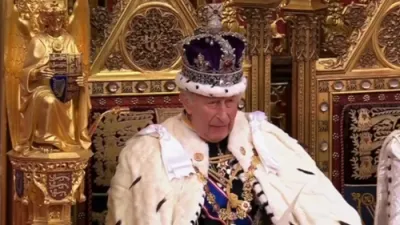
קעניג טשארלס דרוקט אויס זארג איבער די פארשטערקערטע סטראשונגען; ענגלאנד פאקוסירט זיך אויף באקעמפן אנטיסעמיטיזם און די איראנער רעוואלוציאנערע גווארדיע (IRGC).
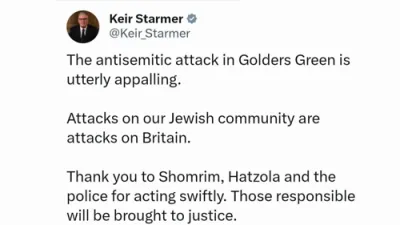
The King’s address highlighted the government’s determination to respond aggressively to the alarming surge in attacks targeting Jewish communities, including vandalism, threats, and arson incidents against Jewish institutions and gathering places. Officials have faced growing pressure to take stronger action after record-breaking antisemitic incidents fueled outrage across the political spectrum and among international allies. The government’s legislative agenda includes plans to formally ban Iran’s Islamic Revolutionary Guard Corps, a move supporters argue is necessary to confront extremist influence and strengthen Britain’s counterterrorism efforts. Backers of the policy say the decision sends a powerful message that the UK will not tolerate intimidation, hate-driven violence, or foreign-backed extremism operating within its borders.
The speech also underscored how rapidly changing global conflicts are reshaping Britain’s domestic priorities, with leaders warning that instability abroad is increasingly spilling into Western democracies. King Charles framed the government’s response as part of a broader effort to restore public confidence, defend democratic values, and maintain order during a period of growing uncertainty. Supporters praised the address as a decisive acknowledgment of the threats facing Jewish communities and Western nations more broadly, while advocates for stronger national security measures argued that the government is finally taking the crisis seriously. The moment marked one of the strongest public statements yet from the British monarchy and government regarding antisemitism, national unity, and the dangers posed by rising extremism worldwide.