טראמפ מעלדט אז שי דזשינפינג האט אים צוגעזאגט נישט צו שיקן הילף קיין איראן
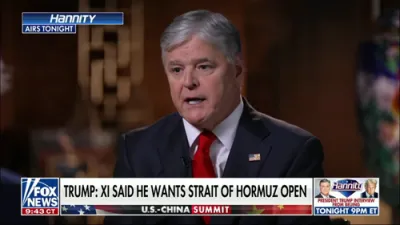
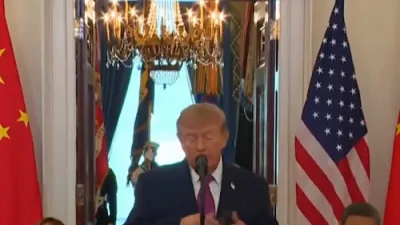
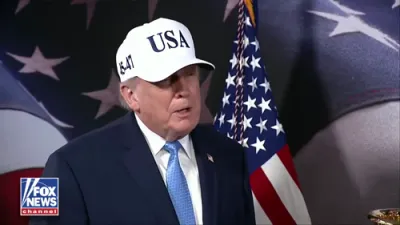
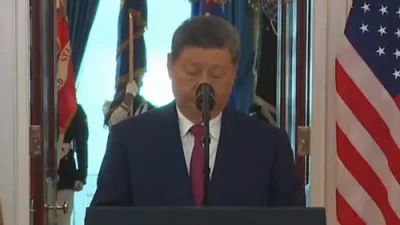
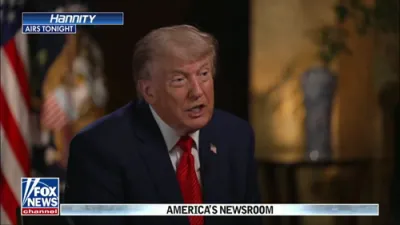
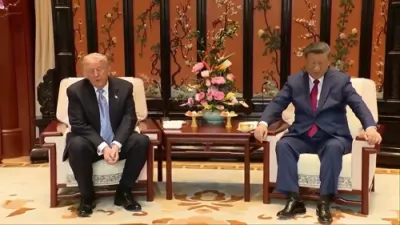
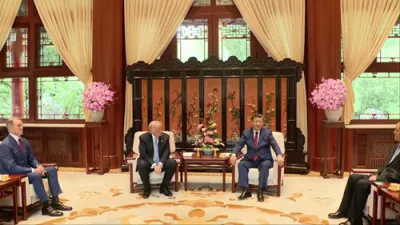
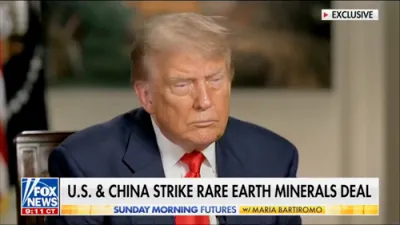
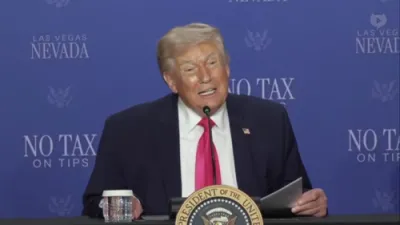
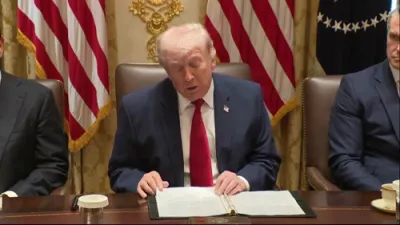
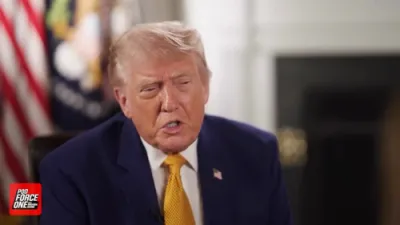
President Donald Trump revealed that Chinese President Xi Jinping personally assured him that China would not provide Iran with weapons or military equipment, calling the statement a major development amid escalating tensions in the Middle East. Speaking to reporters following discussions with Xi, Trump emphasized that the Chinese leader delivered the message “strongly” and framed it as an important sign of restraint from Beijing. The comments came in response to questions about China’s relationship with Iran and whether Beijing would increase support for Tehran during ongoing regional instability. Trump described the exchange as a significant part of broader conversations surrounding security, energy, and geopolitical stability.
According to Trump, Xi clarified that while China maintains economic ties with Iran — particularly through large-scale oil purchases — Beijing does not intend to become militarily involved or supply weapons systems. Trump noted that China continues to rely heavily on Iranian oil imports and wants to preserve those commercial relationships without escalating conflict. The distinction between economic cooperation and military assistance was central to the discussion, particularly as concerns grow over potential expansion of regional confrontations. Trump’s remarks suggested that Washington views Xi’s assurances as a potentially stabilizing signal during a volatile period.
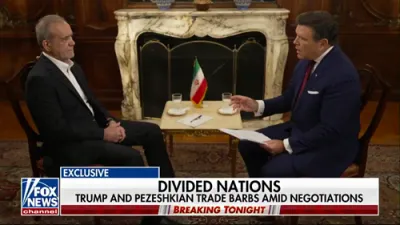
The statement is likely to draw close attention from international observers monitoring the evolving relationship between China, Iran, and the United States. Analysts note that any formal commitment by Beijing to avoid supplying military equipment to Tehran could influence regional calculations and reduce fears of broader geopolitical escalation. China has long attempted to balance its strategic partnerships in the Middle East while avoiding direct entanglement in military conflicts. Xi’s reported assurances may therefore be interpreted as an effort to maintain economic interests while avoiding confrontation with Washington.
Trump framed the conversation as evidence that direct diplomacy between major world leaders can help manage sensitive international disputes. Supporters argue that securing verbal commitments from China regarding Iran demonstrates effective high-level engagement during a dangerous geopolitical moment. Critics, however, caution that long-term policy outcomes will depend on concrete actions rather than public statements alone. Even so, the remarks immediately elevated attention on the role China may play in shaping the future direction of tensions involving Iran and the broader Middle East.