ווענס פארטיידיגט טראמפ'ס שלום פלאן מיט איראן
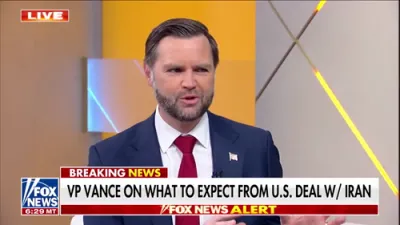
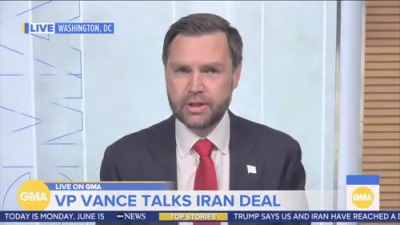
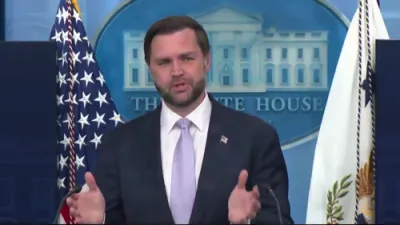
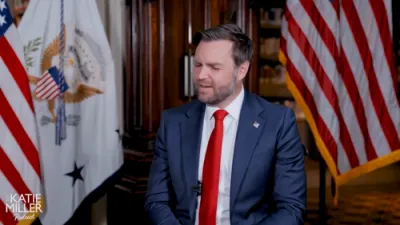
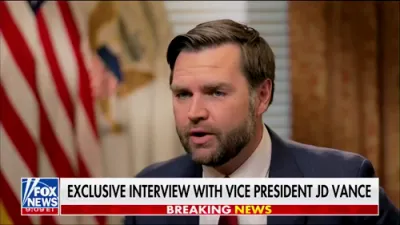
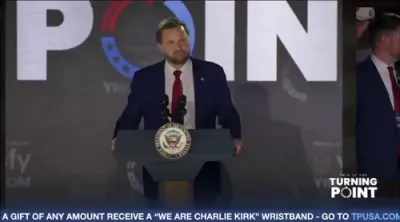
Vice President JD Vance highlighted growing support from Gulf Arab nations for President Donald Trump’s Middle East strategy, arguing that regional leaders see a major difference between previous agreements with Iran and the current diplomatic approach. Vance said Gulf countries strongly opposed the former Joint Comprehensive Plan of Action, believing it gave Iran more room to expand its influence. He described the Trump peace plan as a turning point that could reshape the region.
During his remarks, Vance argued that Gulf nations viewed the previous Iran nuclear agreement as a policy that failed to address Tehran’s broader regional behavior. According to Vance, leaders in the Gulf believed Iran used the agreement as an opportunity to strengthen its position and act more aggressively. He contrasted that with what he described as a new approach focused on cooperation, stability, and strategic partnerships.
Vance said the Trump administration’s peace efforts have received a more positive reaction from key Middle Eastern allies because they believe the strategy is opening the door to a different future. He pointed to stronger relationships between Israel and Arab nations as part of a broader transformation in regional diplomacy. Supporters of the administration argue that these agreements represent a shift away from old conflicts and toward expanded cooperation.
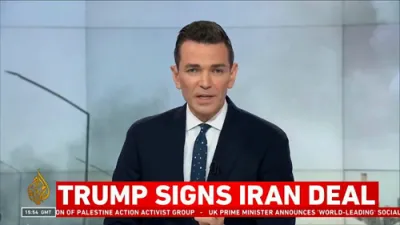
The comments come as the Middle East continues to experience major geopolitical changes involving security, trade, and alliances. The Trump administration has emphasized building partnerships among countries that share concerns about Iran’s influence and support closer regional coordination. Proponents say the approach strengthens America’s role while encouraging new diplomatic pathways.
Vance’s remarks underscore the administration’s argument that a new Middle East order is emerging through stronger alliances and direct engagement. The debate over Iran policy and regional diplomacy remains one of the most significant foreign policy issues facing the United States and its partners. As these relationships develop, supporters of Trump’s strategy believe the region is moving toward a more secure and cooperative future.