פרעזידענט טראמפ באטראכט איראן אלס א נייע געלעגנהייט אויסצוברייטערן דעם אמעריקאנער פארמעריי האנדל.
Trump Calls Iran a 'Lovely Country' and Teases It as America's Explosive New Export Market
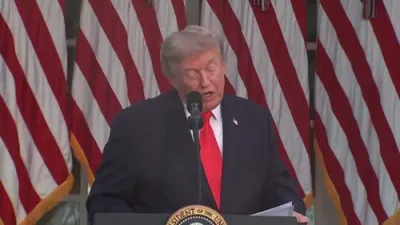
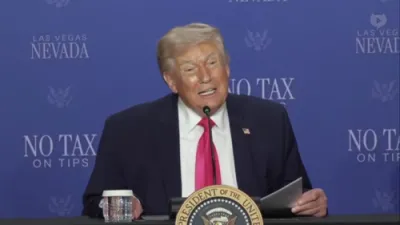
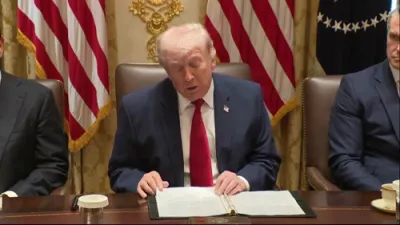
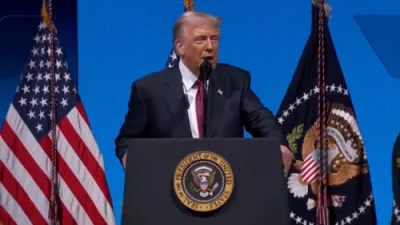
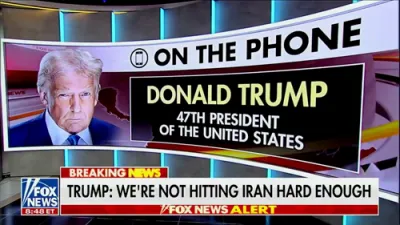
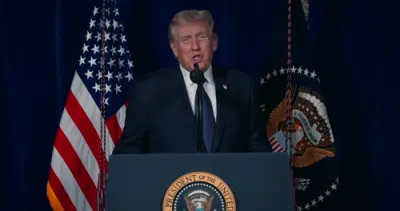
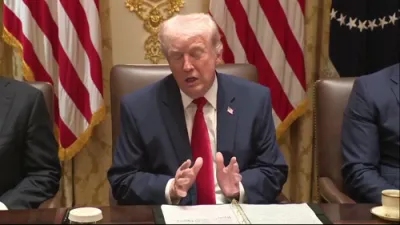
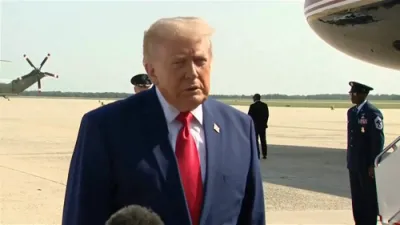
President Donald Trump delivered one of his most jaw-dropping economic announcements yet, openly declaring Iran a potential new export destination for American agricultural goods — a stunning pivot that reflects both the sweeping ambition of his recently brokered ceasefire deal and his trademark confidence in turning geopolitical adversaries into trading partners. Speaking before a crowd of supporters, Trump boasted that his administration has already slashed the agricultural trade deficit by more than 42 percent through the aggressive opening of American exports to new international markets. That number alone would be a historic achievement for any presidency — but Trump was just warming up. In his signature style, he then pivoted to tease what he called an entirely new market on the horizon, one that sent shockwaves through the room: Iran.
"We have a NEW MARKET coming up, and that's called the LOVELY country of Iran. It's a beautiful place. Would anybody like to go there?" — President Donald J. Trump
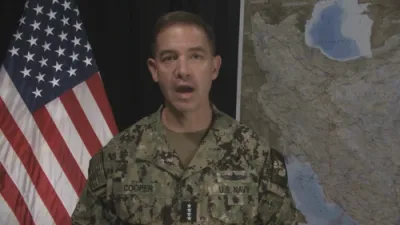
The remark was vintage Trump — equal parts economic salesmanship, diplomatic signaling, and showmanship — but the underlying message was unmistakably serious. With the U.S.-Iran ceasefire agreement now in place and a 60-day countdown to a permanent deal already underway, the president appears to be laying the groundwork for a far more expansive economic relationship with Tehran than anyone in Washington had previously imagined possible. American farmers and agricultural exporters, who have long been squeezed by shrinking global demand and disrupted supply chains, could stand to benefit enormously if Iran's vast consumer market — home to more than 87 million people — becomes accessible to U.S. goods. For a president who has always framed foreign policy through the lens of winning deals, Iran is beginning to look less like an enemy and more like an untapped opportunity.
Critics on the left will undoubtedly attempt to twist Trump's words into something controversial, but the reality is clear: this is the art of the deal playing out in real time on the world stage. A president who was willing to confront Iran with maximum pressure — including sanctions, naval posturing, and credible military threats — has now engineered the conditions under which American businesses can potentially step in and reap the rewards of peace. The 42 percent reduction in the agricultural trade deficit is not an accident; it is the direct result of Trump's relentless push to open new markets, renegotiate bad deals, and put American producers first. If Iran becomes the next chapter in that story, it would stand as one of the most remarkable economic and diplomatic reversals in modern American history — a testament to what bold, unapologetic leadership can achieve where decades of cautious diplomacy failed.