איראן אטאקירט אמעריקאנער כוחות אין קאטאר, די עמיראטן, און ירדן; פארשליסט דעם דורכגאס פון הארמוז, שטעלנדיג אין א סכנה די גאנצע וועלטליכע אויל סופליי.
Iran Unleashes Missiles on US Gulf Bases, Slams Hormuz Shut as War Explodes to New Terrifying Heights
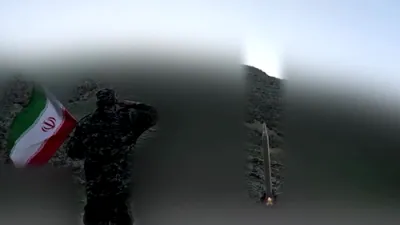
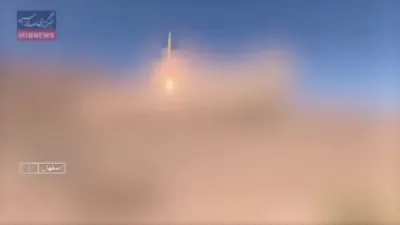
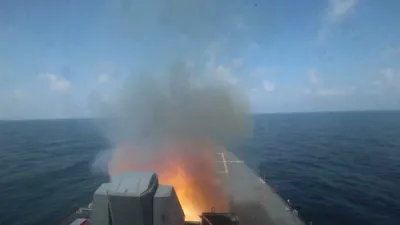
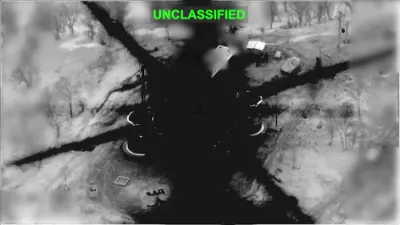
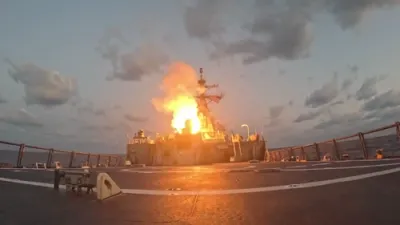
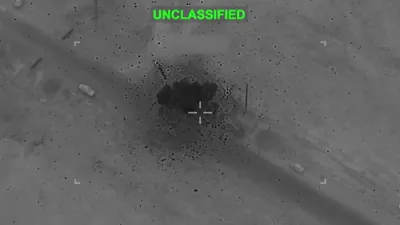
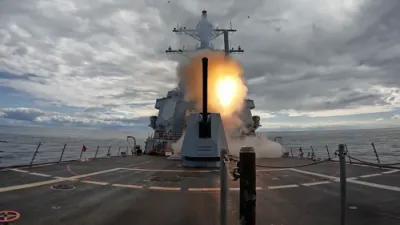
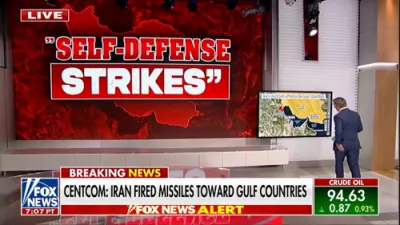
The Middle East is now engulfed in its most dangerous military confrontation in decades, as Iran launched a sweeping barrage of missiles and armed drones against United States military facilities spread across Gulf states — striking targets in Qatar, the United Arab Emirates, and Jordan in a dramatic escalation that has stunned world capitals. In a direct act of economic warfare, Tehran simultaneously declared the Strait of Hormuz closed to all unauthorized vessels, cutting off a waterway that carries roughly one-fifth of the world's entire oil and liquefied natural gas supply. The retaliatory strikes, confirmed by Reuters, came amid an intense exchange of fire with American forces and mark the most dangerous chapter yet in a conflict that began with a US-Israel initiated campaign against Iran in February 2026. Energy markets reacted immediately, with crude prices surging as traders braced for a prolonged blockade of the world's most strategically critical maritime chokepoint.
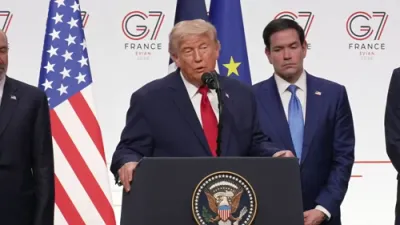
The Strait of Hormuz — the narrow passage between Iran and Oman through which tankers carry energy supplies vital to Europe, Asia, and the Americas — has long been considered Tehran's most powerful economic weapon, and Iran has now pulled that trigger. Analysts warn that a sustained closure could trigger fuel shortages, supply chain disruptions, and a fresh wave of inflation across the globe at a moment when economies are already stretched thin. The strikes on US facilities in Qatar, which hosts the sprawling Al Udeid Air Base, along with installations in the UAE and Jordan, represent a significant broadening of the theater of conflict and place America's regional military posture directly under fire. The Trump administration has not yet issued a formal public response, but sources indicate the President is weighing a swift and overwhelming military reply.
This catastrophic escalation comes just weeks after a fragile interim ceasefire agreement between Washington and Tehran appeared to offer a path toward de-escalation — a deal that now teeters on the edge of total collapse. The 60-day framework, which included provisions for the reopening of Hormuz, a rollback of sanctions, and resumed nuclear talks, has been shattered by the renewed hostilities, raising the alarming possibility that President Trump's earlier warning about "going back to bombing" may be swiftly realized. Pro-Israel and pro-America voices are united in calling for a decisive US response that dismantles Iran's missile capabilities once and for all, arguing that weakness now will only invite greater aggression. The world is watching — and the next 48 hours could determine whether this conflict spirals into a full regional war or finds an emergency off-ramp before the damage becomes irreversible.