מאסיווע וואלד פייערן אין אייראפע
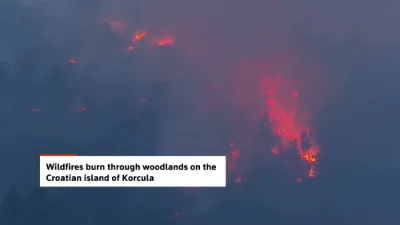
Raging Wildfire Obliterates 550 Hectares on Croatia's Korčula Island Before Rain Finally Hits
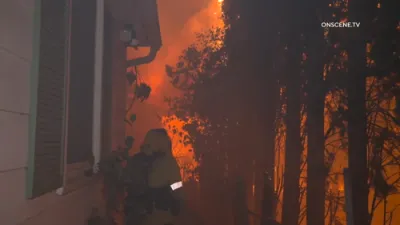
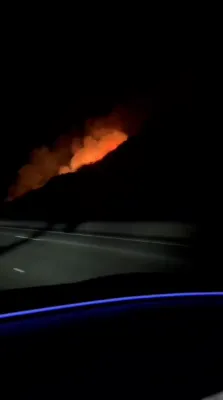
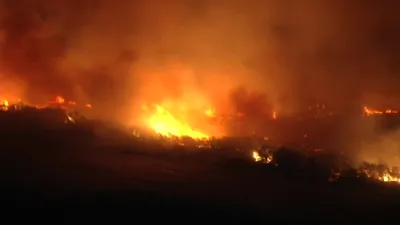
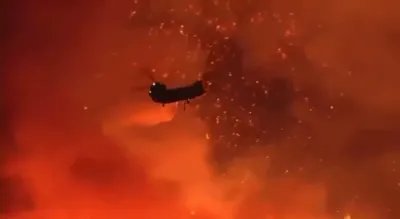
A ferocious wildfire tore through the lush woodlands of Croatia's Korčula island on July 11, 2026, igniting a dramatic hours-long battle between nature's fury and the determination of over 60 volunteer firefighters scrambling to protect one of the Adriatic's most treasured islands. The blaze erupted between the villages of Smokvica and Blato, ripping through forested hillsides with terrifying speed as fierce winds fanned the flames and pushed them deep into the island's interior. Aerial support units were deployed alongside ground crews in a full-scale emergency response, with dramatic footage capturing towering walls of fire and billowing smoke blanketing the island's skyline. Structures in the affected zones were threatened as the inferno consumed everything in its path, leaving behind a landscape of scorched earth and blackened trees.
By the time the fire was finally declared under control on July 12, it had burned through approximately 550 hectares of terrain — an area that includes some of Korčula's most scenic forested hillsides and natural woodland corridors. The breakthrough came not from firefighting efforts alone, but from the intervention of overnight rainfall that provided critical relief and aided containment at a moment when exhausted crews were still battling wind-driven flare-ups. The scale of the destruction is a sobering reminder of how quickly a heatwave-driven fire can overwhelm even a well-coordinated emergency response, with visible scorched landscapes now marking the island in what locals are describing as one of the worst fire events in recent memory.
Korčula's wildfire is far from an isolated incident — it is the latest and most dramatic chapter in a summer of heatwave-fueled fire emergencies sweeping across Europe, from Greece to Spain to the Balkans, as dangerously dry conditions and record temperatures create a perfect storm for catastrophic blazes. The pattern is impossible to ignore: each successive summer brings more fires, larger burned areas, and greater strain on firefighting resources already stretched to their limits. Croatian authorities and international observers are now raising urgent questions about long-term preparedness, investment in aerial firefighting capacity, and the broader policy response needed to protect European communities from an escalating climate-driven crisis that shows no signs of slowing down.