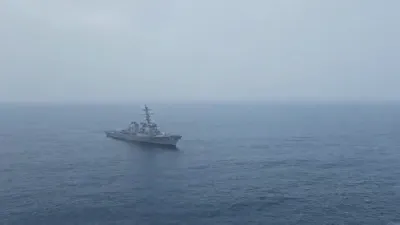
די "יו-עס-עס מאסאן" קריג-שיף פירט דורך א דראמאטישע "ריסאפליי" אינמיטן אקעאן, בשעת אמעריקע פארשטערקערט איר אנוועזנהייט אין די וואסערן פונעם מיטל מזרח.
USS Mason Resupplies at Sea, Flexes U.S. Naval Muscle in Volatile Middle East Waters
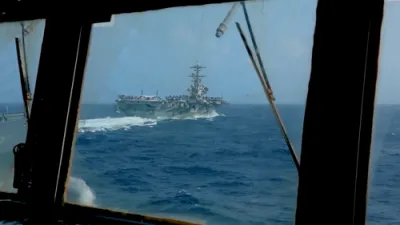
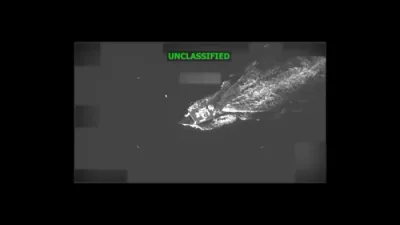
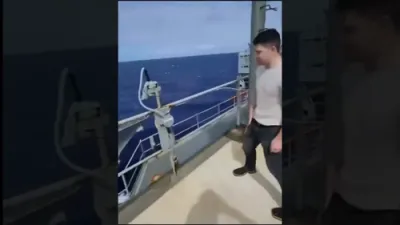
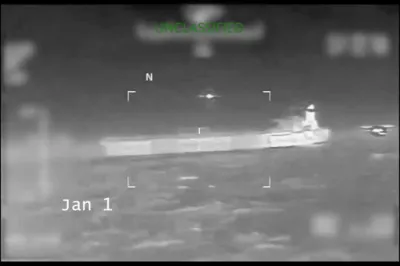
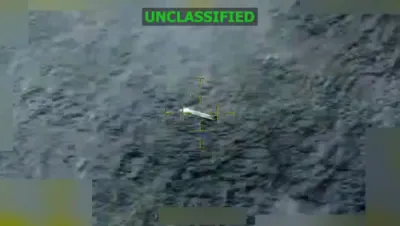
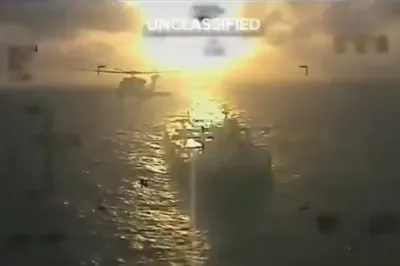
Newly released CENTCOM footage shows the Arleigh Burke-class destroyer USS Mason (DDG 87) conducting a replenishment-at-sea operation while sailing in regional waters, a routine but critical logistics mission that keeps American warships combat-ready far from home. The 30-second clip captures a helicopter performing vertical resupply, ferrying cargo to the deck as crew members in DDG 87-marked vests oversee the delivery, while sailors in red suits manage operations on deck below. The footage also offers a glimpse of bridge operations aboard the destroyer, along with a distant view of a carrier strike group vessel operating nearby, underscoring the scale of the U.S. naval presence currently positioned in the region.
Replenishment-at-sea operations like this one allow Navy vessels to remain on station for extended periods without having to return to port, refueling and restocking supplies while continuing active patrols. USS Mason has a well-documented history in the Middle East, having conducted numerous prior RAS missions as well as missile defense operations in the Red Sea and Gulf of Aden, where American ships have repeatedly been called upon to intercept threats and protect commercial shipping lanes. The destroyer's continued presence reflects the Navy's sustained commitment to maritime security in one of the world's most contested and strategically vital waterways.
While this particular mission is described as routine, it comes against the backdrop of heightened tensions across the Middle East, where U.S. naval assets have played an increasingly active role in deterring hostile action and safeguarding freedom of navigation. The presence of a carrier strike group vessel alongside USS Mason during the operation signals the broader scale of American firepower currently deployed in the region, as the Pentagon continues to prioritize a strong, visible naval posture to reassure allies and deter adversaries alike.