נתניהו שטעלט זיך צו מיט טראמפ קעגן א סאודי אראבישע מיליטערישע נוקלעארע פראגראם
Netanyahu Backs Trump: Saudi Nuclear Deal Only After Israel Normalization
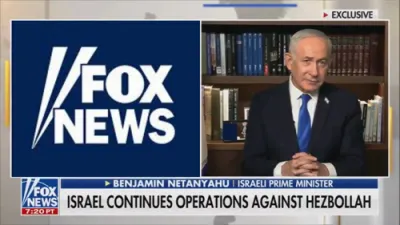
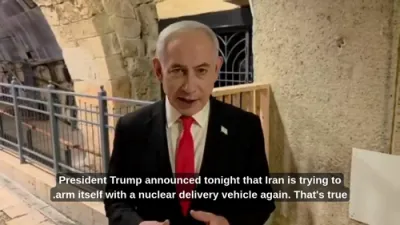
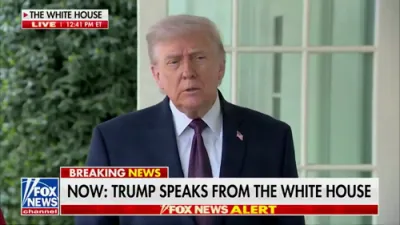
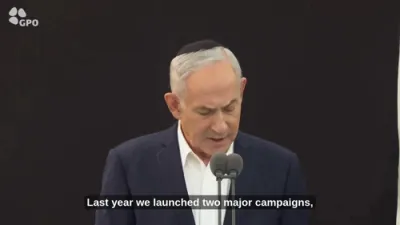
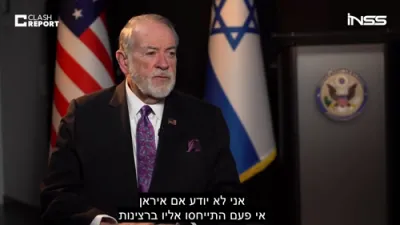
Israeli Prime Minister Benjamin Netanyahu strongly endorsed President Trump’s position that Saudi Arabia should receive a civilian nuclear program only in exchange for full normalization of relations with Israel. Speaking in a recent interview, Netanyahu declared that Trump was “absolutely right” to tie the two issues together under the Abraham Accords framework. He repeatedly stressed the word “civilian,” making clear that neither Israel nor the United States wants a military nuclear program in Saudi Arabia. The remarks signal tight coordination between Jerusalem and Washington on one of the region’s most sensitive strategic questions.
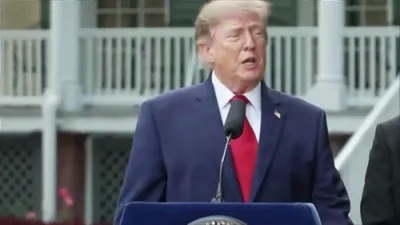
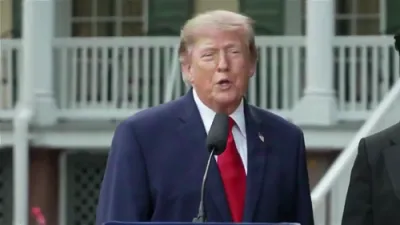
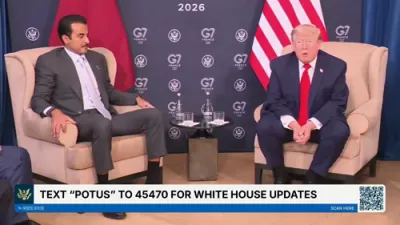
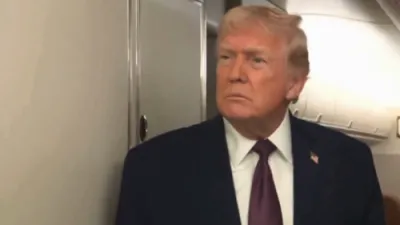
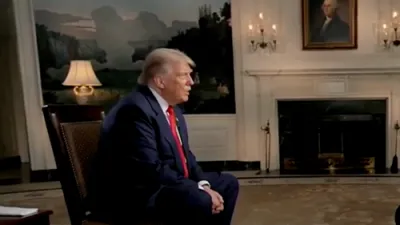
Netanyahu’s comments came after President Trump added normalization with Israel as a firm requirement to the recently signed U.S.-Saudi nuclear agreement while explicitly ruling out uranium enrichment on Saudi soil. The Israeli leader framed the arrangement as a carefully limited civilian deal that advances peace without creating new proliferation risks. By linking energy cooperation to diplomatic recognition of Israel, the approach builds on the successful model of the Abraham Accords. Netanyahu’s public support reinforces the shared U.S.-Israeli commitment to keeping the program strictly non-military.
This alignment demonstrates the strength of the current partnership between the Trump administration and the Israeli government. Netanyahu made plain that the last thing Israel or the president wants is a pathway toward Saudi nuclear weapons capability. The insistence on full inspections, no enrichment, and prior normalization protects Israeli security while opening the door to broader regional cooperation. Supporters of the administration see this as realistic diplomacy that delivers tangible benefits without compromising core red lines.
Netanyahu’s endorsement removes any ambiguity about Israel’s position and strengthens Trump’s leverage in ongoing talks with Riyadh. By insisting the nuclear arrangement remain civilian and conditional on peace with Israel, both leaders are prioritizing long-term stability over short-term deals. The clear message is that expanded nuclear cooperation with Saudi Arabia will move forward only when it also advances recognition of the Jewish state. This firm, coordinated stance continues to shape a more secure and realistic Middle East policy.