מאמדאני זאגט אז ער פלאנט זיך צו באטייליגן ביים 911 צערעמאניע טראץ וואס געוויסע פאמיליעס בעטן אז נישט
Mamdani Defies 9/11 Survivors Vowing to Attend Memorial Despite Outrage
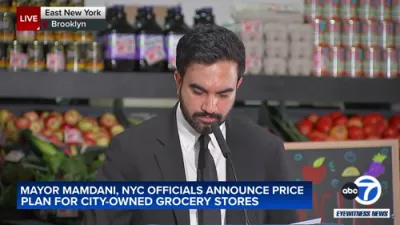
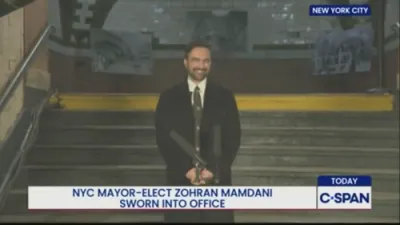
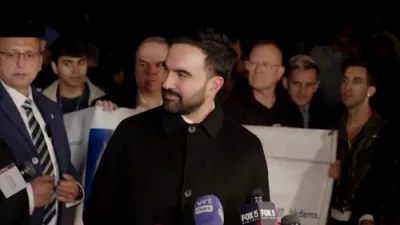
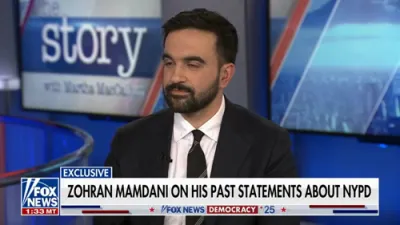
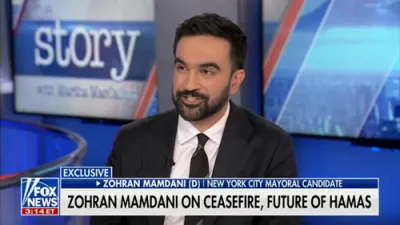
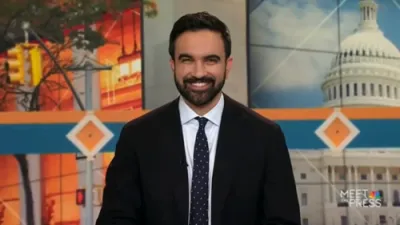
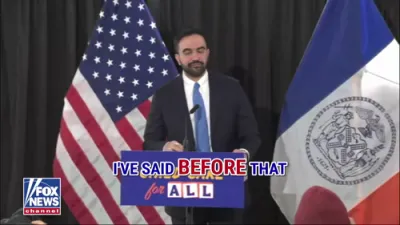
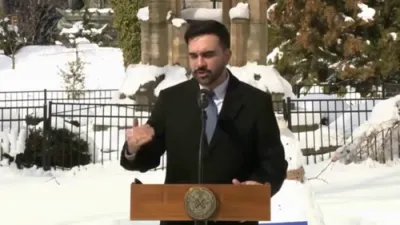
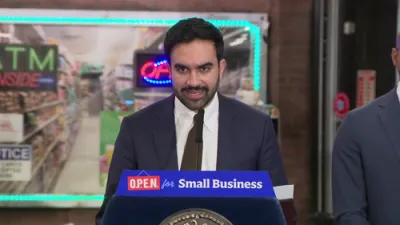
New York City Mayor Zohran Mamdani has rejected calls from 9/11 survivors and victims’ families who urged him to stay away from the upcoming memorial service. When asked by a reporter how he felt about survivors trying to keep him from the event, Mamdani replied that he will stand alongside them at the 9/11 commemoration and declared, “We will never forget.” The statement was delivered with a straight face even as hundreds of family members and survivors have signed petitions labeling his presence deeply inappropriate. Critics argue the mayor’s own record makes the pledge ring hollow. For many who lost loved ones on that day, his attendance would turn a sacred remembrance into a source of fresh pain.
Families of those murdered on September 11 have organized a growing petition demanding organizers exclude Mamdani from the 25th anniversary events at Ground Zero. They cite his public associations, reluctance to clearly condemn certain extremist rhetoric, and positions they view as minimizing the threat of radical Islamist terrorism. Organizers describe his potential presence as that of an “unwelcome guest” at a ceremony meant solely for mourning and honor. Several survivors have spoken out directly, calling his attendance an affront to the memory of the nearly 3,000 killed. The petition has drawn thousands of signatures, including from hundreds of victims’ relatives.
Mamdani’s insistence on attending while invoking the phrase “never forget” has only intensified the backlash. To those who lived through the attacks or lost family members, the words carry profound weight that cannot be casually claimed by someone whose broader record they reject. The mayor’s office has confirmed he plans to be present regardless of the families’ objections. This stance places him in direct conflict with the very people the memorial exists to honor. It also raises questions about whether New York’s leadership still fully grasps the meaning of that day.
The controversy underscores a deeper divide over how the city remembers its darkest moment. Survivors and families insist the ceremony must remain free of figures they believe have downplayed the ideology that produced the attacks. Mamdani’s determination to stand among them anyway is seen by critics as proof that the city has, in important ways, already forgotten. As the anniversary approaches, the clash between the mayor and those who suffered most continues to grow sharper.