30 יאר פון שטילקייט: רוביא צום קאבינעט - די לבנון-מדינת ישראל דיעל און דאס אנטוואפענען כאמאס זענען ביידע 'גרויסע שריט'
Rubio Hails 'Unprecedented' Lebanon-Israel Deal, Praises Trump on Hamas Breakthrough
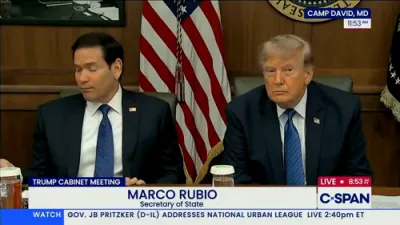
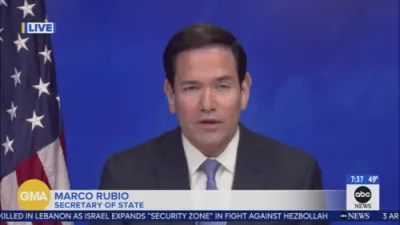
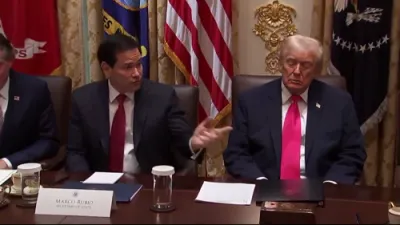
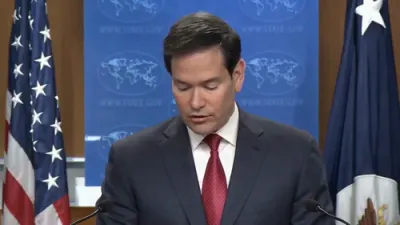
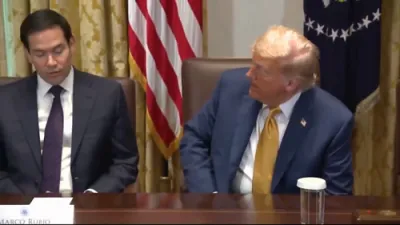
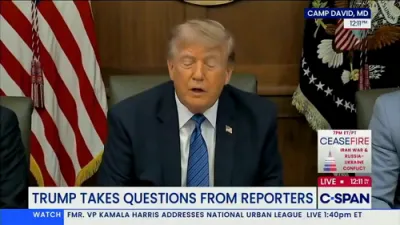
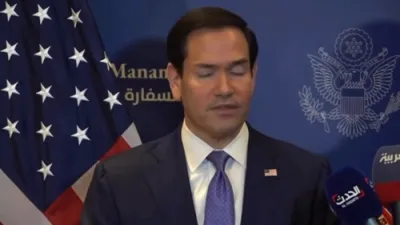
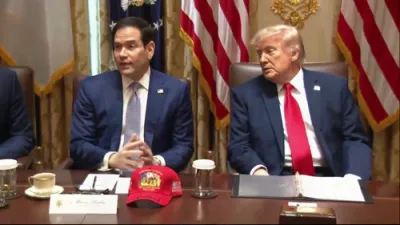
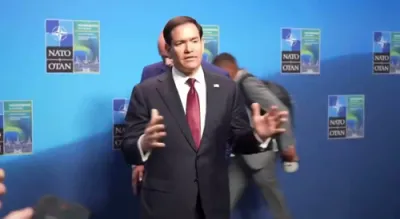
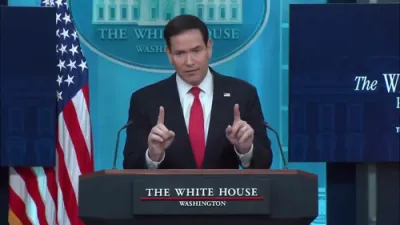
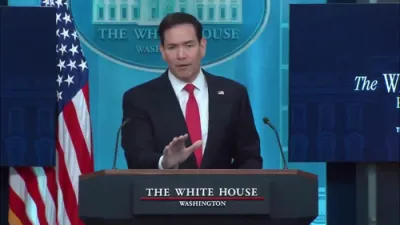
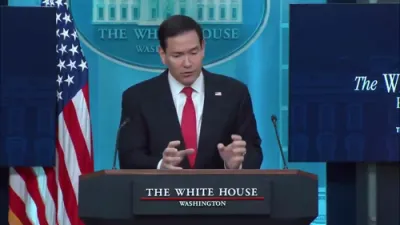
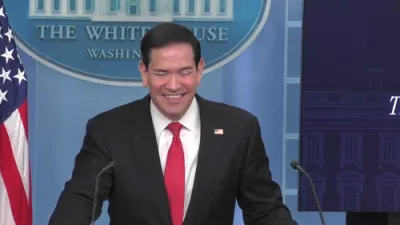
Secretary of State Marco Rubio delivered a striking assessment of the administration's Middle East diplomacy during a cabinet meeting at Camp David on Friday, declaring that the newly brokered framework between Israel and Lebanon is "unprecedented" and marks the first time the two governments have engaged at the official level in nearly three decades. Rubio also credited President Trump directly for a separate disarmament breakthrough involving Hamas, calling it "another big step" and something "a lot of people thought would never happen." The remarks, delivered before the full cabinet, reflect growing confidence within the administration that its aggressive diplomatic push across the region is beginning to produce tangible results even as the broader conflict with Iran continues to simmer in the background.
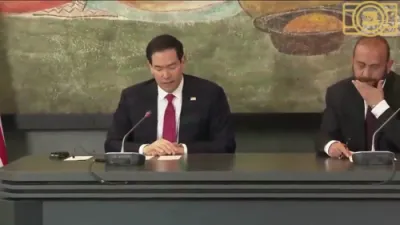
The Israel-Lebanon framework at the center of Rubio's praise was signed in late June and represents one of the most significant shifts in the region's security architecture in years. The agreement establishes designated pilot zones under the control of the Lebanese Armed Forces, creates a US-facilitated trilateral military coordination group involving Israel, Lebanon, and Washington, and lays out a performance-based roadmap tying Hezbollah's disarmament to a gradual Israeli military withdrawal from southern Lebanon. Rather than Israel unilaterally dictating terms, the framework deliberately shifts responsibility to Beirut, allowing the Lebanese government itself to take credit for reclaiming sovereignty over its own territory and reducing the influence of armed non-state actors operating within its borders.
Taken together, Rubio's comments frame both the Lebanon framework and the Hamas disarmament deal as proof that the administration's willingness to apply sustained pressure, paired with active diplomatic engagement, is reshaping the Middle East even amid ongoing hostilities with Iran. Still, officials and outside analysts alike caution that both agreements depend heavily on verified, on-the-ground implementation rather than paper commitments alone, particularly given the complex, reciprocal nature of the steps required from Lebanese forces, Hezbollah, and Israel. Whether these frameworks ultimately deliver lasting sovereignty for Lebanon and a durable path forward on Gaza will depend on the coming months, but for now, the administration is treating both as evidence that its regional strategy is paying dividends.