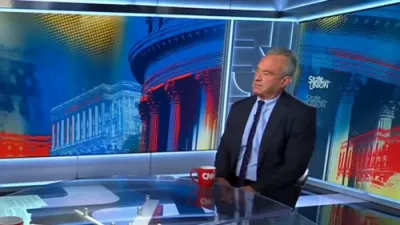
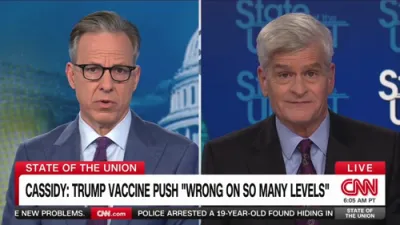
קענעדי ווארפט אפ די שולד איבער די מיזעלס, און ציטירט פון פאוטשי'ס אייגענע טאגבוך אויף סי-ען-ען.
RFK Jr. Fires Back at Dana Bash Over Measles Blame Game
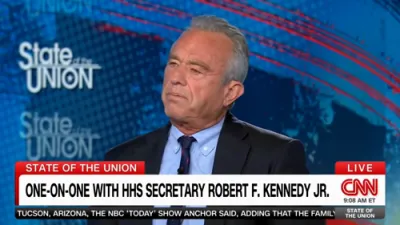
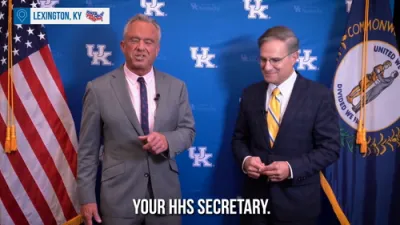
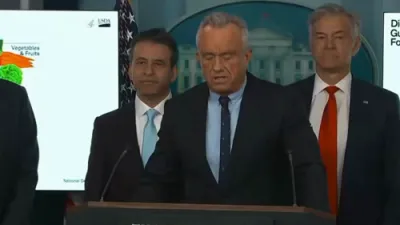
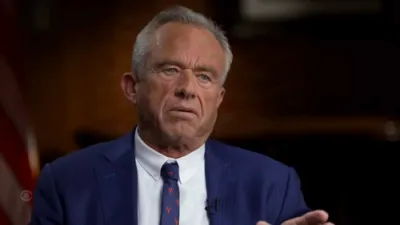
Health and Human Services Secretary Robert F. Kennedy Jr. pushed back forcefully against CNN's Dana Bash on Sunday when she pressed him on whether he bears responsibility for the ongoing measles outbreak given his long history of vaccine skepticism. Kennedy flatly rejected the premise, insisting the outbreak is part of a broader international surge rather than a uniquely American failure. He argued that the United States is actually managing the situation better than many other nations, claiming that Mexico has roughly 15 times the per-capita measles rate of the U.S., with Canada and England also reporting higher rates by his account. Bash countered by noting Kennedy's well-known status as one of the most prominent vaccine skeptics in the country, a label she suggested undercuts his credibility on the issue.
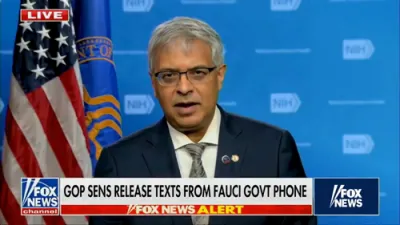
Kennedy did not back down, instead pivoting to place blame on the pandemic-era response under Dr. Anthony Fauci. He claimed that Fauci's own diary entries acknowledged that Covid-19 lockdowns prevented many children from receiving routine vaccinations during that period, and that Fauci himself allegedly predicted this gap would trigger significant measles outbreaks down the line. Kennedy framed this as evidence that the roots of the current outbreak trace back to pandemic-era policy decisions rather than to his own public statements questioning vaccine safety and efficacy. The exchange added another combustible chapter to what had already been a lengthy and contentious interview segment.
The measles exchange is likely to fuel continued debate over how much weight to give Kennedy's international comparisons versus the concerns raised by public health officials about declining vaccination rates domestically. Kennedy's supporters are likely to view his pushback as a legitimate reframing of a global public health challenge, while critics will continue to scrutinize his specific claims about Fauci's diary and the accuracy of the international figures he cited. As with the rest of the interview, the segment underscored just how polarized the national conversation remains around vaccines, pandemic-era policy, and where responsibility ultimately lies for the current measles surge.