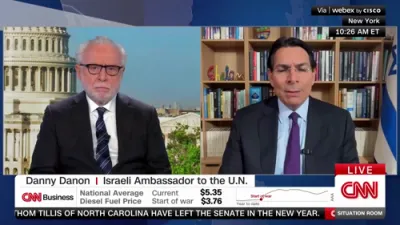
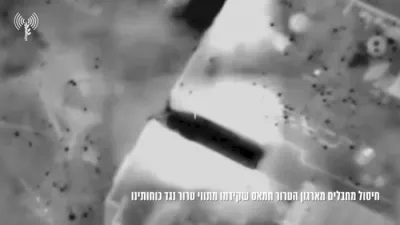
דאנאן: רוקן וואפנס פון איין ווערהאוז צום צווייטן איז נישט קיין עכטע אנטוואפענונג.
Israel Holds Firm: No Deal Until Hamas Weapons Leave Gaza
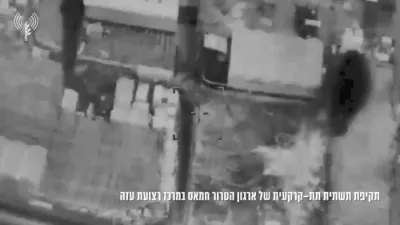
A fundamental standoff over the terms of a Gaza ceasefire has emerged, with Hamas and Israel offering starkly incompatible conditions for de-escalation. Hamas has signaled willingness to move forward only if Israel agrees to a full ceasefire, halts all targeted killings in Gaza, withdraws its forces to the so-called "Yellow Line," and permits a major surge in humanitarian aid into the territory. Israel, for its part, has drawn a hard line of its own, insisting it will not budge until Hamas is completely disarmed and its weapons are physically removed from Gaza altogether — not merely relocated or stored elsewhere within the territory.
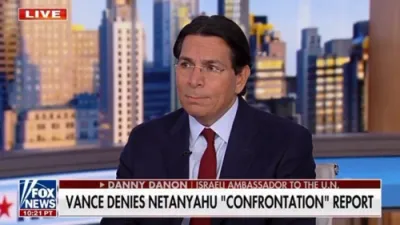
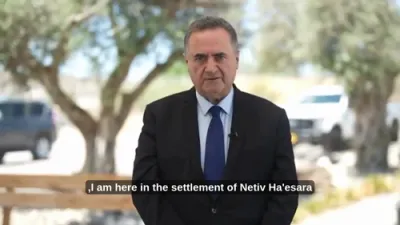
Israeli Ambassador to the United Nations Danny Danon laid out Jerusalem's position bluntly in a CNN interview, stating plainly that disarmament requires Hamas's weapons to leave Gaza entirely, with the group stripped of any control over them, before further progress can be made. Danon's comments reflect a broader skepticism within the Israeli government about whether Hamas can be trusted to follow through on any disarmament commitment without robust, verifiable enforcement. That skepticism was echoed sharply in official messaging asserting that simply moving weapons from one warehouse to another does not constitute genuine disarmament, and that only the complete removal of Hamas's arsenal from Gaza would ensure the group could never rearm and strike again.
The gap between the two sides' demands leaves the path to a durable ceasefire deeply uncertain, with each side effectively conditioning its own concessions on the other moving first. Hamas's demand for a troop withdrawal and expanded aid access reflects the humanitarian toll the conflict has taken on Gaza's population, while Israel's insistence on total, verifiable disarmament reflects its determination to prevent a repeat of October 7 and eliminate any future military threat from the territory. Absent a breakthrough that bridges these competing conditions, the standoff suggests that a comprehensive, lasting ceasefire agreement remains elusive for now, even as diplomatic pressure to reach one continues to mount.