קרוז: על-סאיעד'ס פאליטישע אויפשטייג ווערט געשטיצט דורך אן איינגעווארצלטע אינסטיטוציאנעלע נעצווערק.
Cruz Exposes Entrenched Network Behind El-Sayed’s Shock Michigan Primary Win
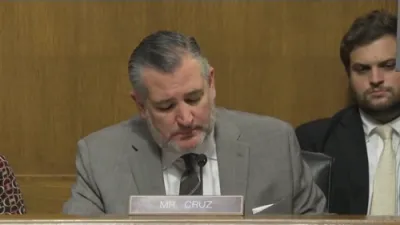
Senator Ted Cruz delivered a stark warning this week, declaring that behind progressive candidate Abdul El-Sayed’s narrow victory in Michigan’s Democratic Senate primary sits a much older and more entrenched institutional network. Speaking at a Judiciary subcommittee hearing examining alleged Muslim Brotherhood influence in the United States, the Texas Republican tied El-Sayed’s political rise to long-standing organizational structures with documented historical connections. Cruz argued that the primary win represents more than a progressive surge and instead reflects decades of institutional positioning through groups such as CAIR and related organizations. The hearing underscored serious national security questions that Democrats chose to boycott rather than confront.
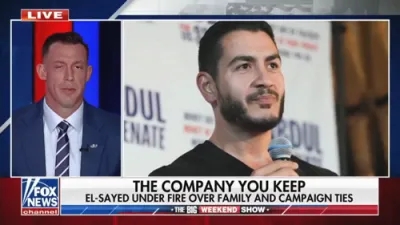
Witnesses and Cruz pointed to family ties and organizational affiliations as evidence of deeper influence. El-Sayed’s father-in-law previously held leadership roles including president of CAIR Michigan and positions connected to the Islamic Society of North America. Cruz and experts referenced the Holy Land Foundation case and a 1993 Philadelphia meeting in which CAIR founders were linked by FBI evidence to efforts supporting Hamas. These historical records, according to the hearing, reveal a network designed to build long-term influence inside American institutions, nonprofits, and political organizing. El-Sayed has rejected the accusations as Islamophobic and focused his campaign on progressive priorities.
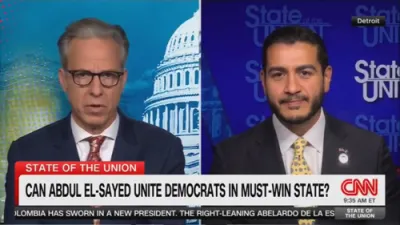
El-Sayed’s platform itself fueled the scrutiny. The former public health official campaigned on Medicare for All, campaign finance reform, and significantly reduced U.S. military aid to Israel, overcoming heavy spending by pro-Israel groups to defeat moderate Rep. Haley Stevens. Cruz framed the result as part of a broader pattern in which certain networks seek to normalize opposition to America’s closest Middle East ally while expanding political power. The empty Democratic seats at the hearing spoke volumes, as the minority party refused to engage with testimony on terrorism-related networks operating on U.S. soil.
For supporters of Israel and strong national security, Cruz’s intervention highlights why vigilance remains essential. Entrenched institutional networks with historical ties to designated terrorist organizations cannot be dismissed as routine politics. The Michigan primary outcome and the subsequent hearing make clear that these influence operations continue to shape American elections. Voters and lawmakers alike deserve full transparency about the forces behind candidates who seek to reshape U.S. foreign policy away from its traditional allies.