אויסגעהונגערטע עקאנאמיע: איראנער פרעזידענט איז מודה אז די סאנקציעס ברעכן אונטער די רעזשים.
Iranian President Admits Sanctions Are Crippling the Regime
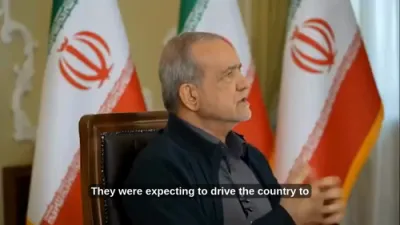
Iranian President Masoud Pezeshkian has publicly acknowledged the severe economic damage inflicted by international sanctions, offering a rare admission of the pressure facing the regime in Tehran. In recent remarks, Pezeshkian noted that outside observers expected the country to collapse under the weight of restrictions, yet officials are now “surprised in their own analyses that it hasn’t.” He conceded that sanctions remain a harsh reality, sharply limiting Iran’s ability to sell oil and generate the foreign currency the economy desperately needs. The result, he admitted, is mounting economic problems that are difficult to escape.
Pezeshkian explained that reduced oil revenues have left Iran with far less hard currency, creating widespread difficulties across the country. In response, the government is meeting with industrialists and chambers of commerce in an effort to remove bureaucratic obstacles and ease the strain. Even so, the Iranian president offered a sober assessment, warning that these steps “won’t solve everything, and it won’t happen quickly.” The comments mark one of the clearest public recognitions yet from the highest levels of the regime that sanctions are biting deeply into Iran’s financial lifelines.
For supporters of strong American leadership and a secure Israel, Pezeshkian’s words underscore the effectiveness of sustained economic pressure against a regime that funds terrorism, advances a nuclear program, and threatens regional stability. By constraining Iran’s oil exports and foreign currency reserves, sanctions limit the resources available for ballistic missiles, proxy militias, and other destabilizing activities. The fact that the regime has not collapsed entirely does not diminish the real costs it is paying; instead, it highlights how targeted pressure can weaken a hostile government without requiring military escalation.
The Iranian president’s candid remarks reveal a leadership forced to confront the consequences of its own isolation. While Tehran continues to search for ways to mitigate the damage, Pezeshkian’s own timeline suggests any meaningful relief remains distant. This ongoing economic strain serves as a reminder that determined policies aimed at denying the regime unrestricted revenue can deliver tangible results in the long contest against Iranian aggression.