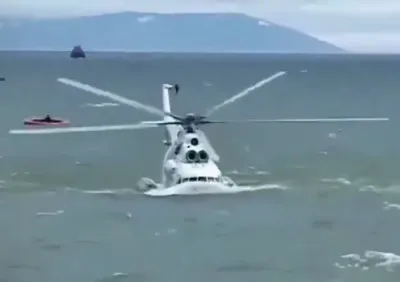
סעקונדעס צו דיזעסטער: העליקאפטער דרייט זיך איבער נאכדעם וואס די פראפעלער קראכט אריין אין וואסער.
שוידערליכע ווידעא: א פייער-לעשער העליקאפטער קראכט אריין אין וואסער נאך א טעות פונעם פילאט
א פייער-לעשער העליקאפטער האט געמאכט א שרעקליכע קראך נאכדעם וואס די הויפט פראפעלערס (ראטאר בלעידס) האבן אריינגעשניטן אינעם וואסער בעת א נידריגע פלי-מאנעווער, לויט אן אפיציעלע סטעיטמענט.
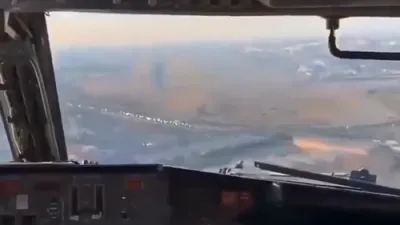
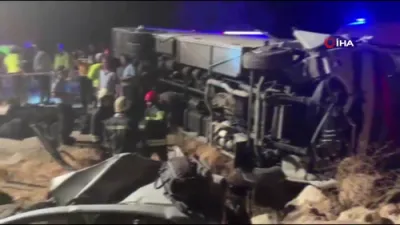
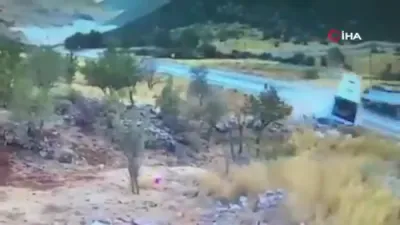
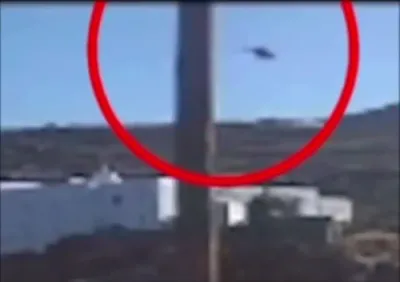
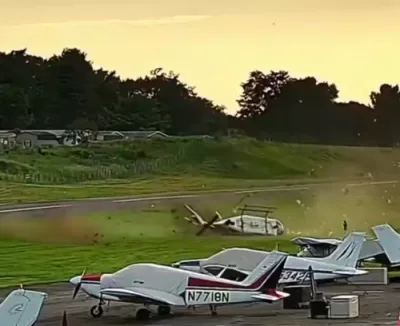
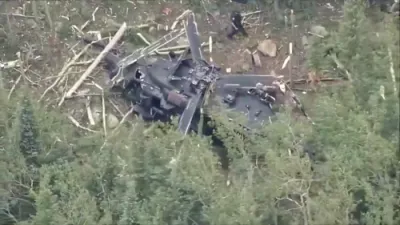
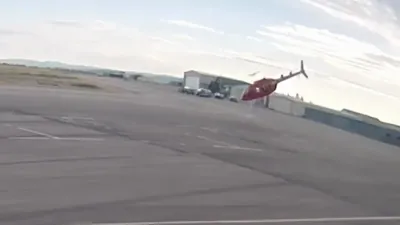
אין א דראמאטישע ווידעא וואס איז פארשפרייט געווארן זעהט מען ווי דער העליקאפטער פליט גאר שנעל אראפצו איבערן וואסער, און די דרייענדיגע פראפעלערס קלאפן זיך אן אינעם אויבערפלאך. דאס האט ארויפגעשאסן א ריזיגע כוואליע פון וואסער און גלייך ארויסגענומען דעם העליקאפטער פון קאנטראל. דער העליקאפטער האט דערנאך געקראכט, זיך צעבראכן אויף שטיקער און זיך איבערגעדרייט אין בלויז עטליכע סעקונדעס, וואס צייגט ווי שנעל א פשוט'ע מאנעווער קען זיך ענדיגן פאטאל.
דער אינצידענט ווערט אנגעשריבן צו א טעות פונעם פילאט, וועלכער האט גענידערט צו שנעל בשעת'ן פליען אזוי נאנט צום וואסער. ווען די פראפעלערס דרייען זיך אויף א הויכע ספיד און קלאפן אריין אינעם וואסער, שאפט עס א געוואלדיגע ווידערשטאנד קראפט אויף די בלעידס, וואס קען פירן צו אן ערנסטע סטרוקטוראלע שאדן אדער אן אוממיטלבאריגע פארלוסט פון קאנטראל. איינמאל די בלעידס האבן אנגערירט דאס וואסער, האט דער העליקאפטער כמעט נישט געהאט קיין צייט אדער הויכקייט זיך צוריקצוכאפן בעפאר עס איז אריינגעווארפן געווארן אין א ברוטאלע קראך.
פליען אויף א נידריגע אלטיטוד העכער וואסער איז באקאנט צו זיין גאר שווער און פארלאנגט אסאך, וויבאלד פילאטן מוזן כסדר קאנטראלירן די הויכקייט, די ספיד, און די פאזיציע פונעם העליקאפטער קעגן דעם וואסער. דער פראבלעם איז אז קוקן אויף וואסער קען זיין זייער פארפירעריש פאר די אויגן, וואס מאכט עס שווער צו אפשאצן די ריכטיגע הויכקייט. ביי פייער-לעשער אפעראציעס, וואו די מאנשאפט ארבעט אונטער גרויס פרעשור און נאנט צו סכנות, קען אפילו א קליינע טעות אין די ספיד איבערלאזן גאר ווייניג פלאץ זיך צו ראטעווען.
די דראמאטישע ווידעא האט שוין געצויגן גרויס אויפמערקזאמקייט אויפן אינטערנעט, און דינט אלס א שארפע דערמאנונג איבער די ריזיקעס וואס זענען פארמישט אין פייער-לעשער אפעראציעס פונדערלופטן. דער שוידערליכער קראך צייגט אז פליען אזוי נאנט צום אויבערפלאך פאדערט אן עקסטרעם-פינקטליכע קאנטראל, ווייל עס איז כמעט נישט דא קיין פלאץ צו פאררעכטן א טעות. אריבער די וויירעל ווידעא, ברענגט דער אינצידענט ארויף ערנסטע פראגעס איבער אוויאציע זיכערהייט: ווי אזוי קענען פילאטן און מאנשאפטן אנהאלטן די נויטיגע זיכערהייט מאסנאמען ווען שווערע אפעראציעס העכער וואסער פאדערן פון זיי צו פליען אזוי נאנט צו די גרעניצן פון קאנטראל?