הוטיס שלאגן צוריק: א מיסל געצילט קיין ריאד בשעת די מלחמה פלאקערט ווידער אויף
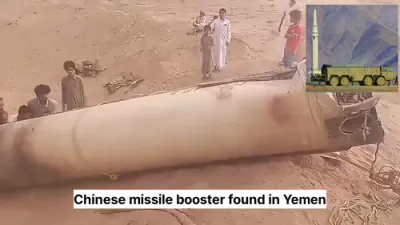
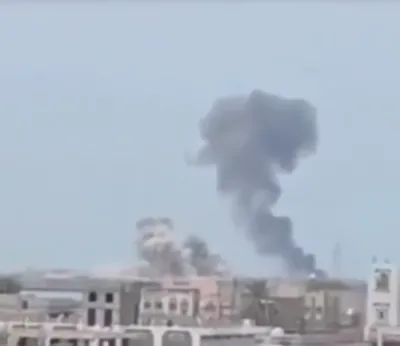
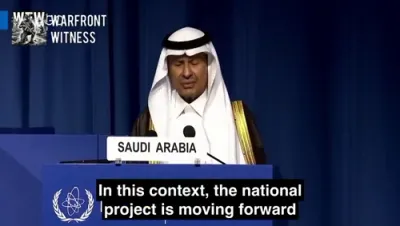
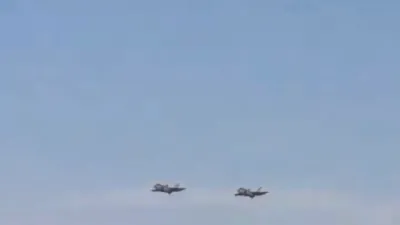
The Royal Saudi Air Force is dramatically ramping up its combat support for Yemeni government forces as the Houthis press one of their most aggressive offensives in years. Saudi warplanes have been striking Houthi positions across Mocha, Hodeidah, Marib, and Al Jawf in recent weeks, backing government troops as they battle to hold the line against the Iran-aligned militia. The cost of that support has been steep. On September 16, the Houthis appeared to shoot down a Saudi F-15SA fighter jet over Marib governorate, releasing footage of the wreckage and raising serious questions about how a advanced fighter jet was brought down without apparent radar-guided defenses. Days later, on September 19, Saudi air defenses intercepted a ballistic missile aimed directly at Riyadh, the first confirmed Houthi attempt to strike the Saudi capital during this round of fighting.
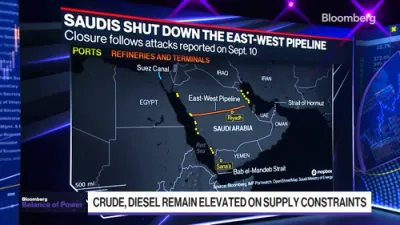
The Houthis have used the chaos to seize ground and extend their reach far beyond Yemen's borders, declaring a naval blockade against Saudi Arabia, battling for control of the strategic Bab al-Mandeb strait, and launching drones and missiles that have already killed and wounded civilians inside Saudi territory. Their growing capability has rattled the entire region, drawing statements of solidarity from Pakistan, Turkey, Egypt, Kuwait, Bahrain, Jordan, and Lebanon, with Pakistan calling its commitment to Saudi security unconditional and Turkey signaling readiness to help under a trilateral defense agreement. Even China and Pakistan have pressed Iran to rein in the group, while Turkey has floated proposals aimed at ending the fighting altogether. Despite that mounting international pressure, the Houthis have shown no signs of backing down, leaving Saudi Arabia and its allies scrambling to contain a militia that keeps proving it can strike far beyond what anyone expected.