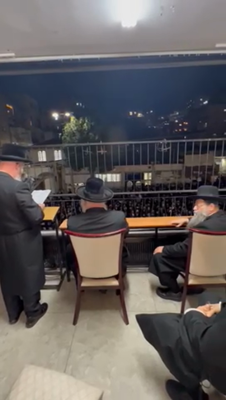
די בני ברק'ע פראטעסטן
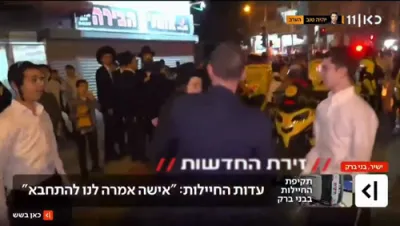
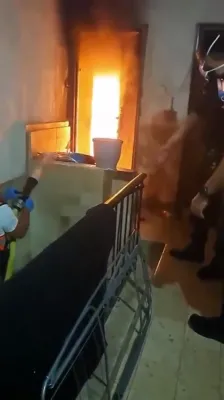
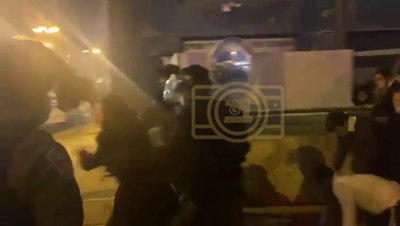
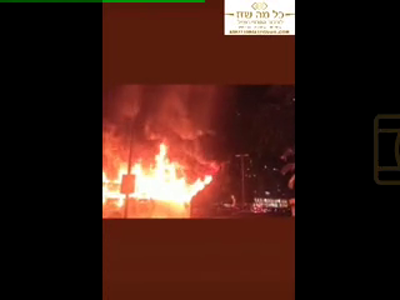
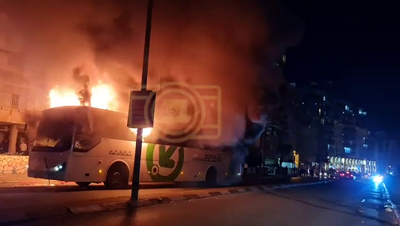
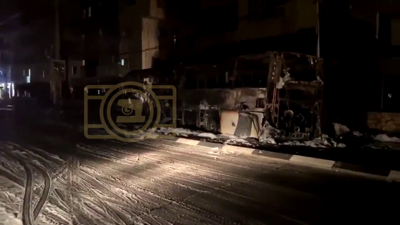
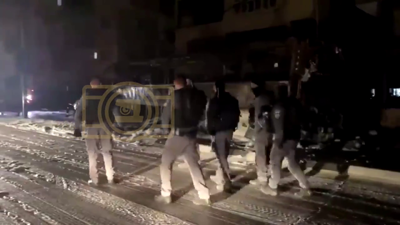
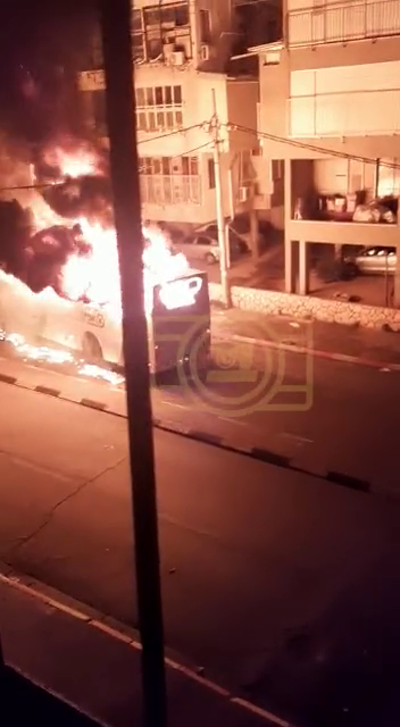
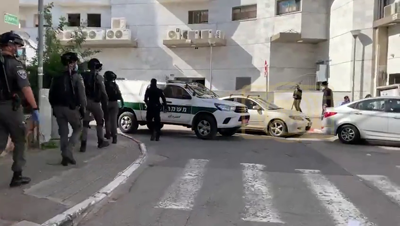
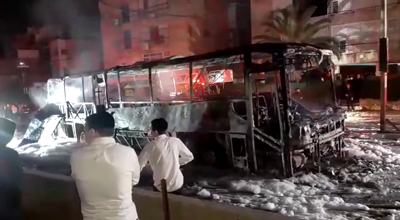
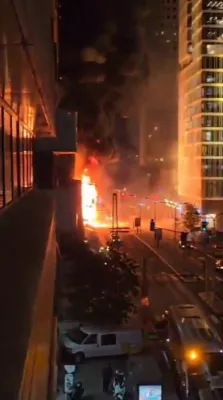
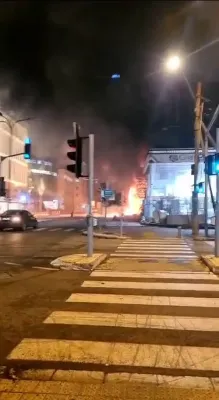
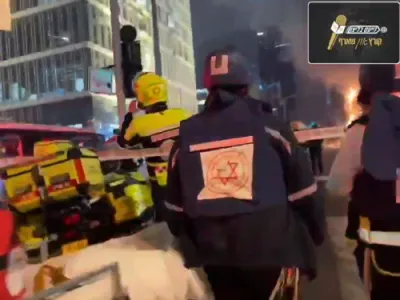
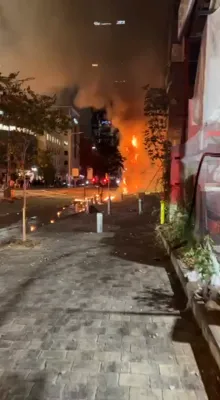
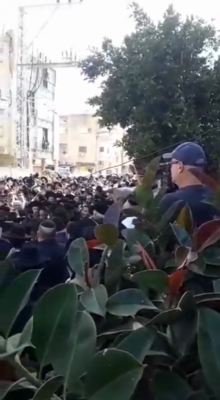
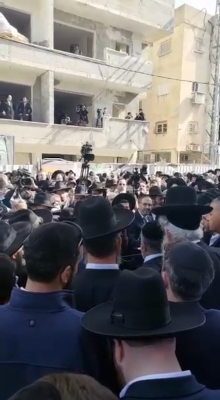
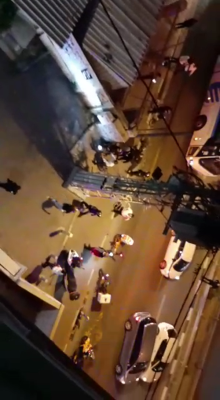
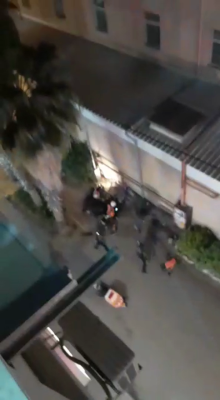
Senior Haredi political leaders have issued strong condemnations following violent scenes in Bnei Brak in which two female Israel Defense Forces soldiers were chased by a mob while distributing draft-related notices. The incident, which also involved clashes with police and damage to vehicles, prompted immediate denunciations from prominent figures within the ultra-Orthodox political establishment, who stressed that the actions do not represent the broader Haredi community.
Shas leader Aryeh Deri described the perpetrators as “a small group of extremists,” stating that their behavior constituted a desecration of God’s name and caused significant harm to the public image and values of the Haredi population. His remarks emphasized that violence and humiliation of individuals—particularly members of the security forces—stand in direct opposition to religious principles and communal responsibility.
United Torah Judaism chairman Yitzhak Goldknopf similarly expressed shock at the footage, condemning any form of aggression toward soldiers and law enforcement. He underscored that such conduct contradicts Jewish ethical teachings and called for calm and respect, reinforcing the position that disputes over military service and conscription must be handled through lawful and political channels rather than street confrontation.
Police confirmed that order has since been restored in the area, though the incident highlights ongoing tensions surrounding the issue of military draft requirements in predominantly Haredi cities. While a small number of agitators were responsible for the violence, the public response from senior leadership reflects an effort to draw a clear boundary between legitimate political disagreement and unlawful behavior.
The swift condemnation by both Shas and United Torah Judaism signals a unified message that attacks on individuals and security personnel are unacceptable and damaging to communal cohesion. By framing the events as the actions of fringe elements, Haredi leaders aim to prevent escalation and reaffirm their commitment to maintaining public order while continuing to engage in policy debates through established democratic processes.
The episode underscores the sensitivity of the draft issue within Israeli society but also demonstrates that key religious and political figures are prepared to speak out against extremism when it crosses into violence. Their statements serve as a call for restraint and mutual respect at a time when social tensions remain high.