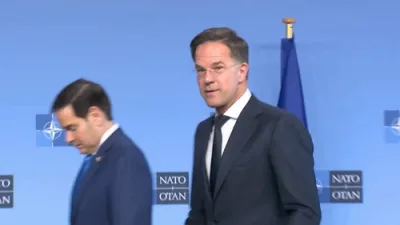
איזראעלי אויסערן מיניסטער סער טרעפט זיך מיט מארקא רוביא
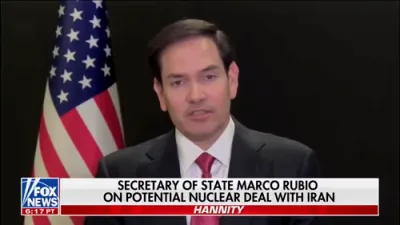
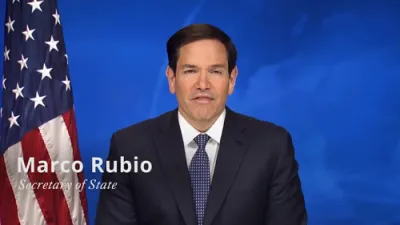
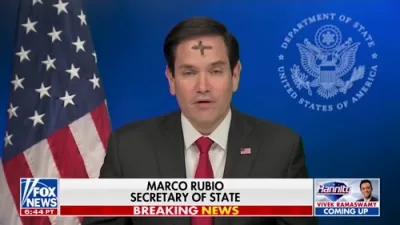
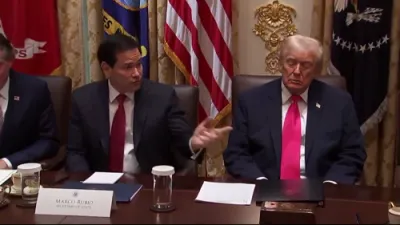
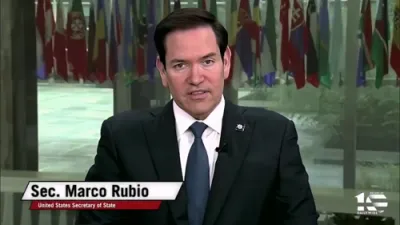
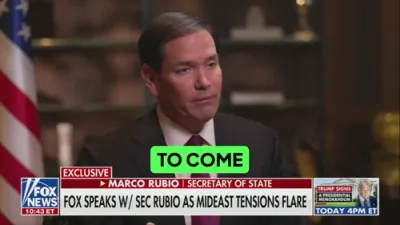
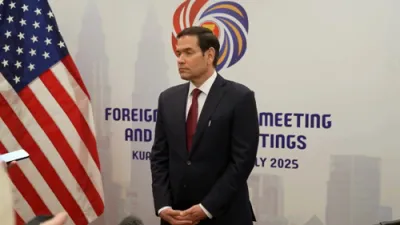
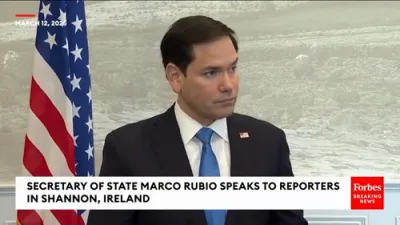
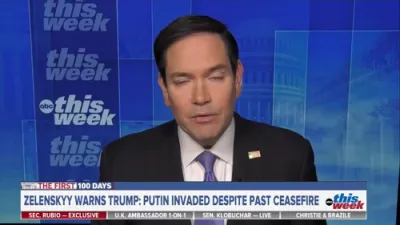
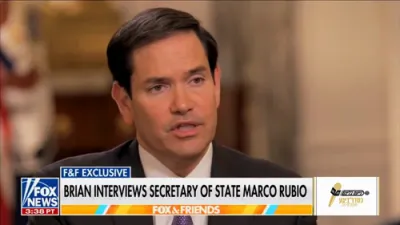
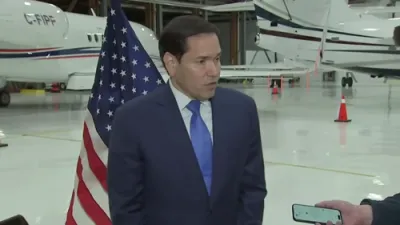
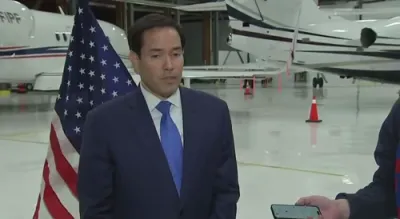
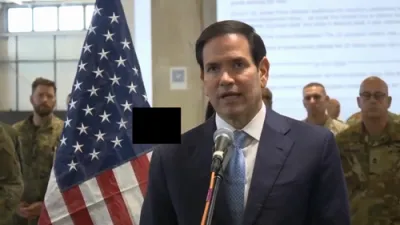
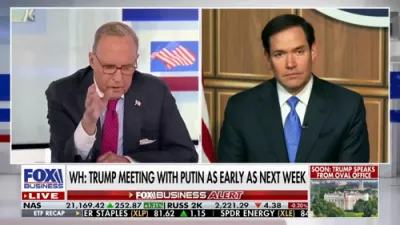
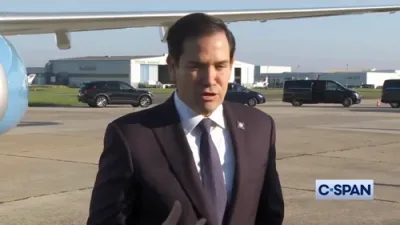
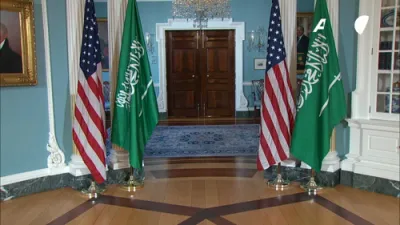
Israel’s Foreign Minister Gideon Saar met with U.S. Secretary of State Marco Rubio in Washington on Wednesday for a wide-ranging strategic discussion on Middle East developments, regional threats, and the deepening security partnership between the United States and Israel. The meeting underscored the continued alignment between the two governments at a time of accelerating regional volatility and expanded international scrutiny of Israel’s defensive operations.
According to Israeli and U.S. officials, the conversation placed particular emphasis on the International Criminal Court’s ongoing proceedings targeting Prime Minister Benjamin Netanyahu and Defense Minister Yoav Gallant. The ICC issued politically charged arrest warrants in May 2024, accusing Israel’s leadership of war crimes in Gaza—claims Israel and the United States have strongly rejected as legally baseless and strategically harmful.
Foreign Minister Saar highlighted the steps the United States has taken in response, including diplomatic pushback, legal challenges, and countermeasures designed to constrain the ICC’s overreach. Secretary Rubio reaffirmed Washington’s commitment to shielding Israel from efforts that undermine its right to self-defense, stressing that the ICC’s actions threaten not only Israel’s sovereignty but also broader global norms governing democratic states engaged in counterterrorism operations.
The two leaders also reviewed ongoing security developments across the Middle East, including Iran’s destabilizing activities, proxy escalation, and the continued threat posed by Hamas and Hezbollah. Saar and Rubio reiterated the importance of sustained coordination as Israel confronts hostile actors while advancing stability with regional partners.
For Israel, the meeting served as another illustration of its strategic depth in Washington. For the United States, it reinforced the Biden-Trump era principle that U.S.–Israel cooperation remains essential to confronting adversaries and defending shared democratic values.
Both sides agreed to maintain close contact in the coming weeks as the situation evolves and as international pressure—including from the ICC—continues to test the strength of the U.S.–Israel alliance.