די איראנע פארווארפענע זוהן שווערט צו שטארבן פאר פרייהייט
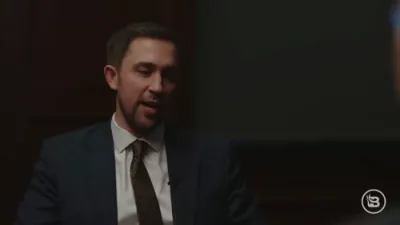
Reza Pahlavi, Iran’s exiled crown prince and the son of the country’s last Shah, declared he is “prepared to die for liberty” during a January 13, 2026, interview with CBS News, a statement that underscored both the gravity of Iran’s ongoing unrest and his personal commitment to opposing the ruling regime in Tehran.
Speaking with CBS anchor Norah O’Donnell, Pahlavi framed the current wave of anti-regime protests as a historic turning point. The demonstrations, which have reportedly resulted in the deaths of more than 500 people, reflect what he described as a population no longer willing to tolerate repression, economic hardship, and political stagnation. Pahlavi positioned himself not as a claimant to power, but as a facilitator of transition, emphasizing that his role would be to help guide Iran toward a democratic future rather than rule it.
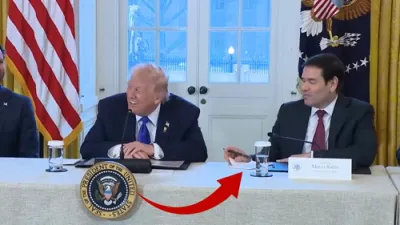
Central to his message was a direct appeal to U.S. leadership. Pahlavi urged President Donald Trump to “intervene sooner,” arguing that decisive action by the United States could accelerate the collapse of the Islamic Republic. He praised Trump as a leader who “means what he says,” suggesting that clarity and resolve from Washington could embolden Iranians already risking their lives in the streets.
Pahlavi described himself as a “bridge” between the current regime and a future democratic system, stressing that the ultimate authority should rest with the Iranian people. His remarks were designed to reassure both domestic and international audiences that regime change would not result in chaos, but rather a structured transition grounded in popular will.
The interview highlighted the growing international attention on Iran’s internal crisis and the renewed discussion over America’s role in shaping outcomes abroad. By openly declaring his willingness to sacrifice his life, Pahlavi sought to convey solidarity with protesters inside Iran and to signal that the opposition movement has both leadership and resolve.
As pressure mounts on Tehran, Pahlavi’s message adds urgency to calls for stronger Western engagement, framing the struggle in Iran not only as a regional issue but as a broader fight for liberty and self-determination.