סעקרעטאר בעסענט פארטיידיגט די ICE שיסעריי רעאקציע.
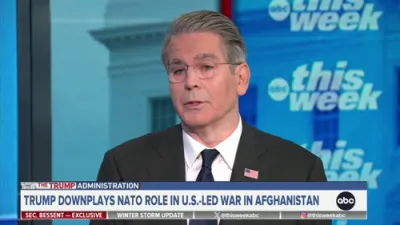
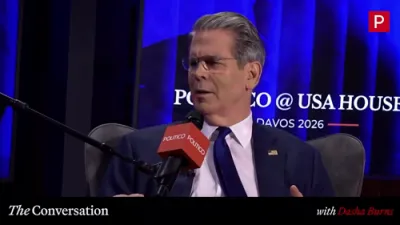
Treasury Secretary Scott Bessent’s appearance on national television intensified the political debate surrounding the January 24, 2026 fatal shooting of Minneapolis resident Alex Pretti by federal immigration agents, with Bessent and host Jonathan Karl sharply clashing over the circumstances of the incident and the broader response from state officials.
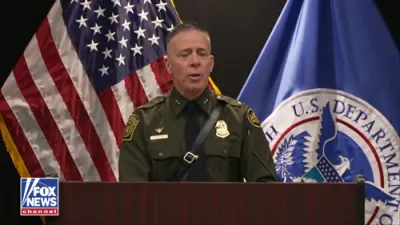
Speaking on ABC’s This Week program, Bessent expressed regret that Pretti died during the confrontation with Immigration and Customs Enforcement (ICE) and Border Patrol officers but reiterated the administration’s position that Pretti’s decision to bring a firearm to the scene contributed to the escalation. “I am sorry that this gentleman is dead, but he did bring a 9 mm semi-automatic weapon with two cartridges to what was supposed to be a peaceful protest,” Bessent said, echoing comments from federal law enforcement leadership.
Host Jonathan Karl responded by challenging the implication that Pretti’s possession of a weapon justified lethal force, noting there is no confirmed evidence that Pretti brandished or fired the firearm during the encounter. Karl also emphasized that lawful firearm ownership and open carry rights are protected under the Second Amendment.
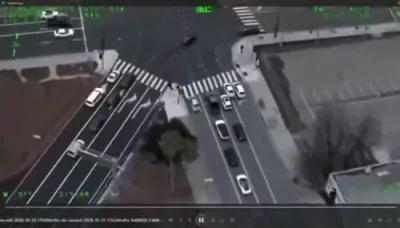
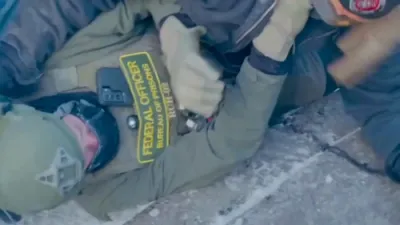
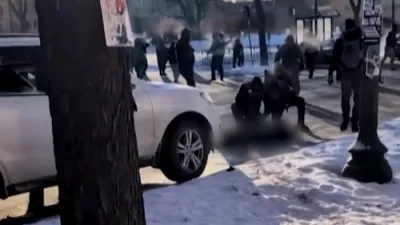
The broader context of these remarks lies in the intensely disputed facts of Pretti’s death. Multiple news outlets report that Pretti, a 37-year-old ICU nurse and U.S. citizen, was shot by federal agents while attempting to intervene and assist another individual during an ICE enforcement operation in the Whittier neighborhood of Minneapolis. Bystander video verified by Reuters shows Pretti holding a phone and not a weapon at the time officers engaged him. After federal agents wrestled him to the ground, one agent is seen removing a firearm from his waistband, and another then fired multiple shots.
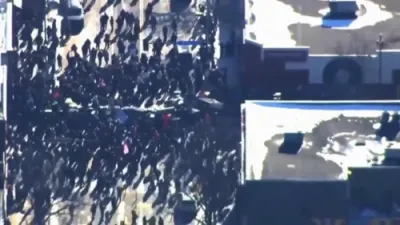
The shooting has prompted widespread protests and political reactions. Minnesota officials, including Governor Tim Walz, have condemned the use of force and called for federal agents to withdraw, while Republicans in Congress have pushed for investigations into federal immigration enforcement practices.
Critics of the administration’s response argue that focusing on Pretti’s firearm overlooks key issues about transparency and restraint by federal agents. Commentary from multiple outlets highlights ongoing public concern over federal tactics and conflicting accounts of what transpired, leading to calls for fuller investigations and accountability.
The televised exchange between Bessent and Karl reflects the broader national divide over immigration enforcement, civil liberties, and how use-of-force incidents involving federal agents are framed and adjudicated. One side stresses the dangers posed when firearms are present in tense enforcement environments; the other emphasizes constitutional rights and demand for clear evidence before conclusions are drawn.