טראמפ הייבט די טאריפס אויף שווייץ צו 39% נאך א הייסע קריגעריי.
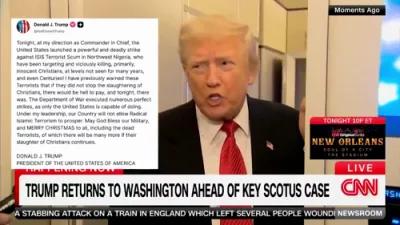
President Donald Trump recounted a tense 2025 trade dispute with Switzerland in which he escalated U.S. tariffs on Swiss imports from 30 percent to 39 percent following what he described as an “aggressive” phone call with Switzerland’s then-president, Karin Keller-Sutter.
Speaking about the exchange, President Trump said he initially imposed a 30 percent tariff as part of broader efforts to address trade imbalances. “I got an emergency call from I believe the prime minister of Switzerland,” he said, referring to Keller-Sutter. “She was very aggressive … I didn’t really like the way she talked to us, so instead of giving her a reduction, I raised it to 39 percent.”
The tariff action was part of a wider 2025 push by the Trump administration to confront what it characterized as unfair trade practices and persistent deficits with certain foreign partners. Switzerland, while a longstanding ally, became a focal point in discussions about market access, currency practices, and high-value exports to the United States.
White House fact sheets at the time framed the increase as leverage designed to bring Switzerland to the negotiating table. Administration officials argued that firm tariff measures were necessary to secure more balanced trade terms and protect American industries.
The dispute drew significant attention given Switzerland’s role as a major exporter of luxury goods, pharmaceuticals, and precision instruments. Swiss companies and trade representatives engaged in intensive negotiations following the escalation. In November 2025, the two countries reached a revised trade understanding that reduced the tariff rate to 15 percent, signaling a de-escalation after months of back-and-forth discussions.
The episode reflected President Trump’s broader negotiating style: apply pressure, maintain leverage, and adjust terms based on the counterpart’s response. Supporters argue that such tactics strengthen the U.S. bargaining position and deter foreign governments from taking a hard line in trade talks. Critics, meanwhile, questioned the volatility of rapid tariff changes and their impact on markets.
Ultimately, the resolution demonstrated that even sharp public disagreements can evolve into negotiated settlements. The Switzerland tariff episode stands as another example of how the Trump administration approached trade disputes—assertively, personally, and with a willingness to escalate before ultimately striking a deal.