רוביא ווארנט אייראפע צו פארטיידיגן ציוויליזאציע אן קיין שולד געפילן.
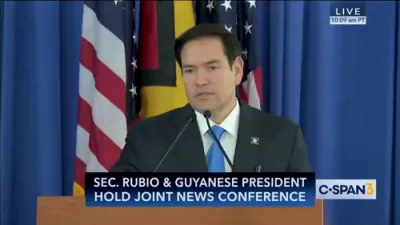
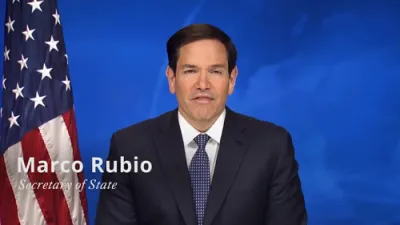
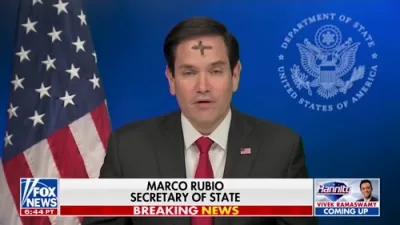
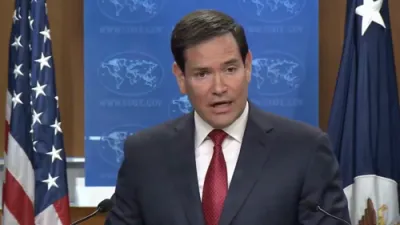
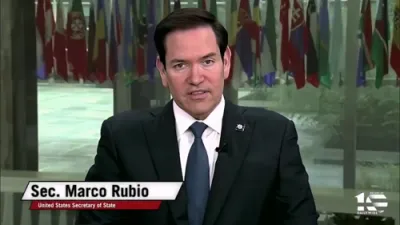
U.S. Secretary of State Marco Rubio delivered a forceful address at the 2026 Munich Security Conference, directly challenging the notion of a “managed decline” of Western civilization and urging Europe to embrace a confident defense of shared values. In remarks that drew a standing ovation, Rubio rejected passivity, framing the West’s future in terms of assertive revival supported by strong alliances, cultural pride, and historical perspective rooted in post-World War II achievements.
Rubio’s speech emphasized the strategic necessity for the United States and European partners to resist global pressures from authoritarian regimes, ideological extremism, and destabilizing movements such as communism and anti-colonial radicalism. He argued that Europe and its allies cannot afford guilt-driven hesitation or reliance on the rhetoric of decline; instead, they must actively invest in defense, economic resilience, and cultural cohesion to secure a prosperous and secure future.
The Secretary of State highlighted the role of NATO and other multilateral frameworks as essential instruments for collective security, stressing that burden-sharing and mutual responsibility are not signs of weakness but of commitment to shared survival. Rubio’s address positioned the United States as both a partner and a moral anchor, insisting that Western nations assert their values confidently on the global stage while remaining vigilant against attempts to undermine democratic institutions.
Observers noted the rhetorical sharpness of Rubio’s remarks, which went beyond traditional diplomatic caution to confront lingering narratives of Western irrelevance. By invoking the historical triumphs of the post-war era, he framed contemporary challenges as opportunities for renewal rather than inevitable decline. The speech resonated strongly with attendees who see rising threats to international order and the stability of liberal democracies.
In strategic terms, Rubio’s address signals Washington’s intent to maintain leadership in reinforcing alliances while encouraging European nations to recognize both the risks of passivity and the benefits of proactive engagement. It was a message designed to galvanize partners around shared responsibility, national confidence, and the preservation of a rules-based international system.
The Munich Security Conference appearance positions Secretary Rubio as a leading advocate for assertive Western policy, blending moral conviction with geopolitical realism. His remarks underscored that the future of the West depends not on managing decline but on embracing strength, unity, and a clear-eyed commitment to defending civilization’s core principles.