איראנע מיליטערישע טרענירונגען
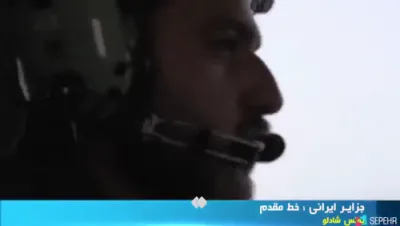
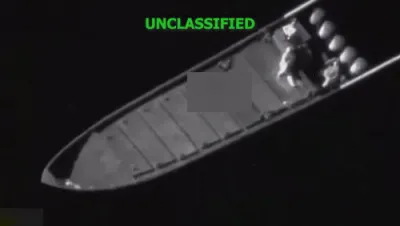
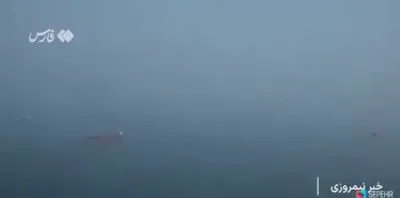
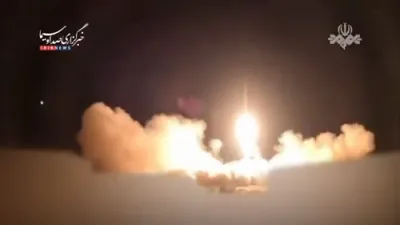
Iran’s Islamic Revolutionary Guard Corps Navy conducted a high-profile military exercise on February 16 dubbed “Smart Control of the Hormuz Strait,” releasing footage of coastal forces firing munitions at mock vessels transiting the strategic waterway. The drill, staged in one of the world’s most critical maritime chokepoints, served as a calculated demonstration of Iran’s asymmetric warfare doctrine and its stated ability to threaten commercial shipping during periods of heightened regional tension.
The Strait of Hormuz carries roughly one-fifth of global oil supply—approximately 21 million barrels per day—making any disruption to traffic an immediate concern for international energy markets and global economic stability. By simulating rapid-response missile and coastal battery engagements against maritime targets, the IRGC sought to underscore its capacity to impose costs on adversaries without engaging in conventional naval confrontation.
Iranian military planners have long emphasized swarm tactics, shore-based anti-ship missiles, fast-attack craft, naval mines, and drone surveillance as part of a layered strategy designed to offset the technological superiority of the U.S. Navy and allied maritime forces. The latest exercise appears to integrate several of these elements, highlighting command-and-control coordination between coastal units and naval assets tasked with identifying, tracking, and engaging targets in confined waters.
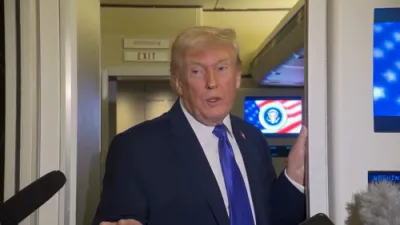
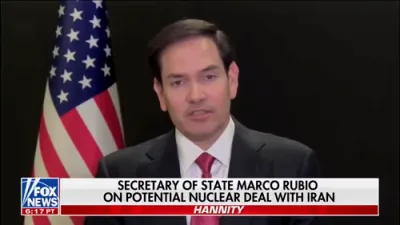
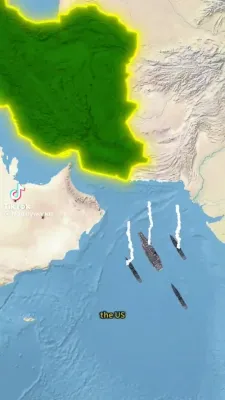
The timing of the drill is significant. It coincides with renewed diplomatic engagement between Washington and Tehran while U.S. forces maintain an expanded presence in the broader region. Such demonstrations are widely interpreted as signaling operations intended to strengthen Iran’s negotiating posture by showcasing escalation options beyond the nuclear file. By focusing on the Hormuz corridor, Tehran is leveraging geography to project influence over a domain that directly affects global trade and energy security.
From a military standpoint, the exercise reflects Iran’s continued investment in denial capabilities rather than blue-water power projection. Coastal missile systems positioned along the northern littoral of the strait can exploit the narrow transit lanes, reducing reaction time for passing vessels and complicating defensive planning. While U.S. and allied navies possess advanced missile defense, electronic warfare, and mine countermeasure capabilities, the confined environment of the strait inherently increases operational risk.
Energy and shipping analysts note that even limited harassment or the perception of instability in Hormuz can drive insurance costs higher, alter shipping routes, and introduce volatility into oil pricing. As a result, exercises of this nature carry strategic impact beyond their immediate tactical scope, functioning as economic signaling tools as much as military rehearsals.
For U.S. and regional partners, the drill reinforces the importance of sustained maritime security operations, intelligence surveillance, and coalition presence to ensure freedom of navigation. It also highlights the ongoing challenge of deterring gray-zone activities that fall short of open conflict but carry significant disruptive potential.
Ultimately, the “Smart Control of the Hormuz Strait” exercise illustrates Iran’s reliance on asymmetric leverage in a contested security environment. By combining geographic advantage, missile capability, and strategic messaging, Tehran continues to position the strait as a pressure point in its broader confrontation with the United States and its allies, even as diplomatic channels remain active.