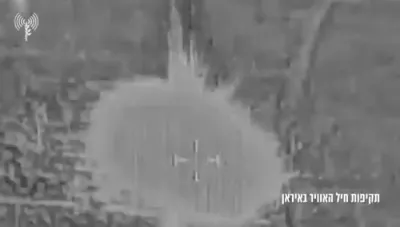
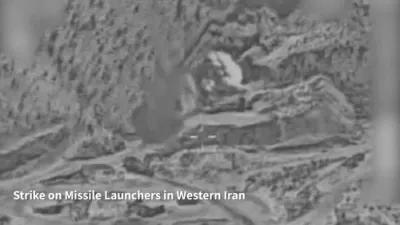
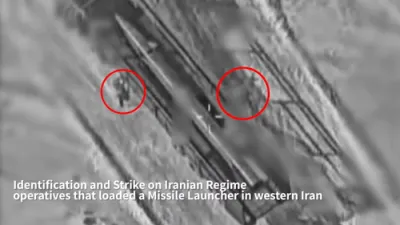
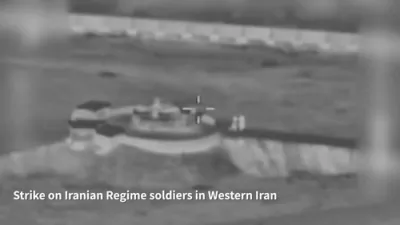
נעכטן נאכט האט פענטעגאן ארויסגעשטעלט בי-2'ס קעגן די איראן ראקעטן נעץ.
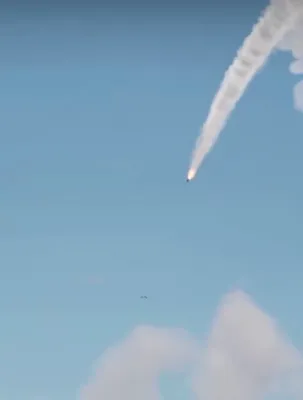
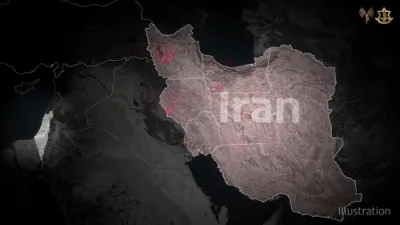
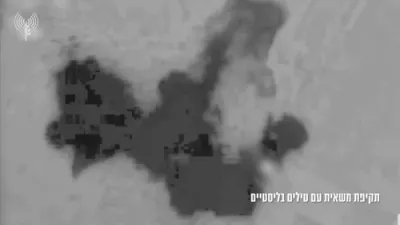
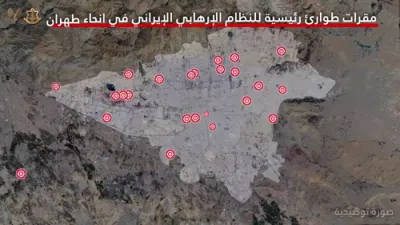
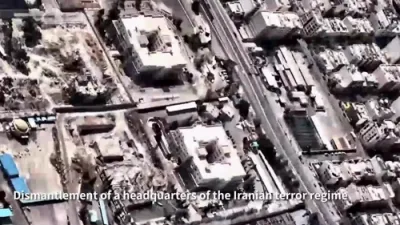
The United States conducted a high-precision strike against Iran’s hardened ballistic missile infrastructure last night, deploying B-2 stealth bombers armed with 2,000-pound bunker-busting munitions in what U.S. Central Command confirmed as a decisive action under Operation Epic Fury. The operation targeted deeply buried facilities assessed to be central to Iran’s missile development and storage network, delivering a clear demonstration of American long-range strike capability and strategic reach.
Defense officials stated that the mission was designed to neutralize sites embedded in fortified underground complexes that conventional aircraft would struggle to penetrate. The B-2 Spirit’s low-observable profile allowed it to enter heavily defended airspace undetected, execute precision weapons delivery, and exit without engagement, underscoring the platform’s role as a cornerstone of U.S. power projection. The use of 2,000-pound class munitions indicates a focus on hardened targets, signaling that the strike was calibrated to degrade Iran’s ability to deploy and sustain ballistic missile operations rather than to cause broad collateral damage.
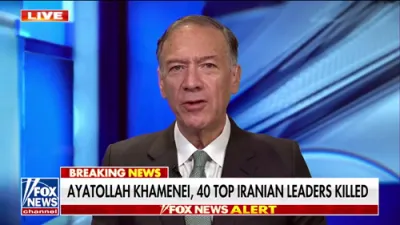
The timing of the operation comes amid rapidly escalating tensions across the region following the assassination of Iran’s supreme leader and a series of proxy confrontations involving Israeli and Iranian-aligned forces. U.S. military planners have increasingly emphasized the need to protect allied assets and forward-deployed personnel from missile threats originating from Iranian territory. By targeting launch infrastructure and storage nodes, the strike aims to reduce the immediate risk to Israel, Gulf partners, and American bases while reinforcing deterrence against further escalation.
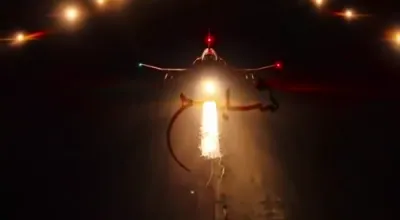
Video footage released alongside the announcement shows B-2 bombers taxiing at dusk, departing in sequence, and flying in tight formation—visual confirmation of a coordinated long-range mission profile. The imagery highlights the aircraft’s flying-wing design, engineered to minimize radar cross-section and enable penetration of advanced air defense systems. Such capabilities allow the United States to hold at risk high-value targets that adversaries may consider secure due to geographic depth or structural fortification.
Operation Epic Fury reflects a broader strategic doctrine that combines precision strike capability with diplomatic signaling. While Washington continues to leave open channels for de-escalation, the willingness to employ stealth assets against critical military infrastructure communicates a threshold that, once crossed, will trigger direct and consequential action. The message is intended not only for Tehran but for regional actors monitoring the credibility of U.S. security commitments.
From an operational standpoint, the strike demonstrates integrated planning across intelligence, surveillance, reconnaissance, and long-range aviation assets. Successful engagement of hardened underground facilities requires accurate geospatial intelligence, precise weapons guidance, and synchronized timing to ensure mission effectiveness while minimizing exposure. The absence of reported aircraft losses suggests that suppression of enemy air defenses and electronic warfare measures were either unnecessary due to stealth penetration or conducted in a manner that prevented Iranian response.
Strategically, the degradation of ballistic missile infrastructure alters the immediate threat calculus in the Middle East. Iran’s missile program has long been a central pillar of its deterrence posture and a primary means of projecting power through both direct and proxy channels. Reducing the survivability of these systems constrains operational flexibility and imposes additional costs on any attempt at rapid reconstitution.
The strike also reinforces the security architecture surrounding Israel, which remains the primary regional target of Iranian missile forces. By acting preemptively against launch and storage capabilities, the United States signals that attacks on its allies will be met with direct and technologically advanced force. This alignment strengthens deterrence while reducing the likelihood of large-scale missile exchanges that could destabilize the region.
As tensions remain high, the operation serves as both a tactical success and a strategic warning. The United States has demonstrated that distance, fortification, and air defense layers do not guarantee protection against its stealth strike capabilities. Whether this action compels Iran toward restraint or provokes further confrontation will depend on Tehran’s assessment of the costs imposed and the credibility of future U.S. responses. What is clear is that American resolve, backed by advanced military technology and operational precision, has been placed unmistakably on display.