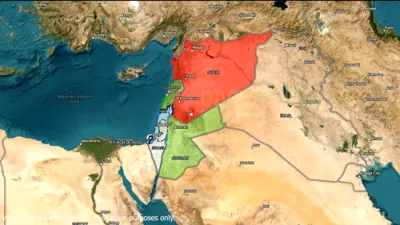
צה"ל באמבארדירט חיזבאללה צילן אונטער ביירוט.
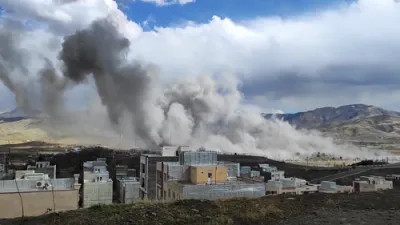
The Israel Defense Forces launched a wave of precision airstrikes across Beirut, targeting key Hezbollah military infrastructure embedded within the Lebanese capital. According to the IDF, the Israeli Air Force focused on subterranean weapons depots, operational command centers, and facilities used for intelligence gathering and propaganda dissemination.
Military officials confirmed that the strikes were part of an expanded campaign aimed at degrading Hezbollah’s strategic capabilities amid intensifying hostilities in 2026. The underground depots reportedly housed advanced munitions and missile systems believed to pose a direct threat to Israeli population centers. By targeting subterranean infrastructure, the IDF sought to neutralize long-term offensive capacity while limiting broader structural damage above ground.
Additional targets included Hezbollah command-and-control hubs responsible for coordinating rocket fire and regional operations. Israeli defense sources state that one of the facilities struck was actively used for intelligence collection and media operations designed to shape battlefield narratives and coordinate with Iranian-backed networks throughout the region.
In line with established operational protocols, the IDF stated that evacuation warnings were issued to Lebanese civilians prior to the strikes. These alerts were intended to minimize civilian harm in densely populated urban areas where Hezbollah has historically embedded military assets. Israeli officials have repeatedly accused the organization of using civilian infrastructure as cover, a tactic that complicates urban warfare and increases humanitarian risk.
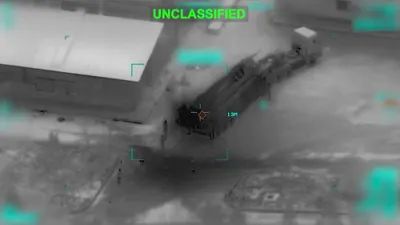
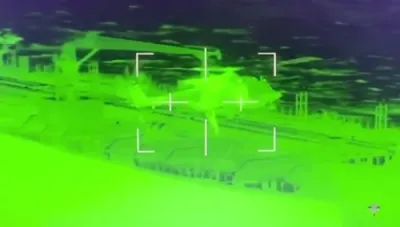
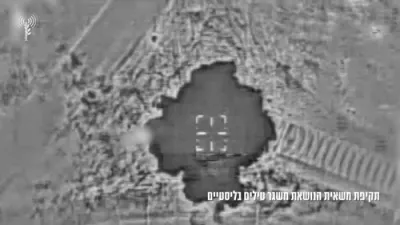
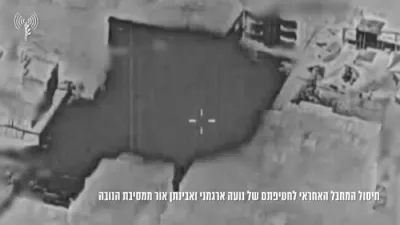
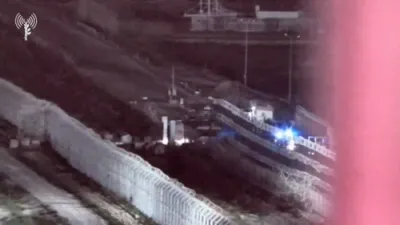
Infrared video footage released in connection with the operation shows Israeli fighter jets conducting precision-guided strikes over urban terrain. Hebrew subtitles in the footage confirm the aerial phase of the mission, and visible secondary explosions suggest the presence of stored munitions at several sites. The operational profile aligns with previous Israeli campaigns targeting underground weapons storage facilities and command nodes.
Regional media outlets, including Reuters and Al Jazeera, reported that the March 3–4 strikes resulted in at least 52 fatalities and more than 150 injuries. The casualty figures underscore the scale of the engagement and the volatility of the current conflict environment. While Hezbollah has not fully detailed the extent of its losses, the strikes represent one of the most significant Israeli operations inside Beirut in recent years.
The escalation comes amid simultaneous Israeli actions targeting Iranian-linked assets beyond Lebanon, including reported strikes connected to Tehran’s regional network. The broader confrontation reflects a deepening phase of the ongoing Hezbollah-Israel conflict, with Iran’s strategic footprint playing a central role in the expanding theater.
Security analysts warn that the convergence of Israeli operations in Lebanon and actions aimed at Iranian interests increases the risk of wider regional involvement. However, Israeli leadership has consistently framed its campaign as a defensive necessity, emphasizing the objective of dismantling immediate threats and restoring deterrence.
As the conflict intensifies, the balance between precision military objectives and regional stability remains precarious. The latest Beirut strikes signal that Israel is prepared to act decisively against entrenched Hezbollah infrastructure, even within heavily populated urban centers, while continuing to issue civilian evacuation warnings to mitigate collateral damage.