נפתלי בענעט צו פיערס מארגן: טראמפ איז נישט 'אריינגעשלעפט' געווארן אין א מלחמה מיט איראן
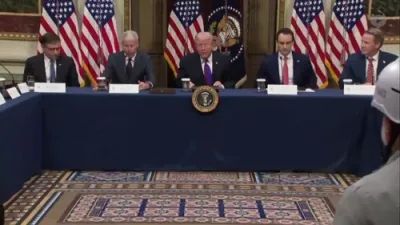
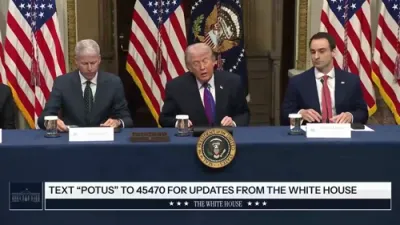
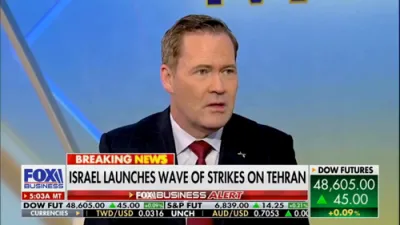
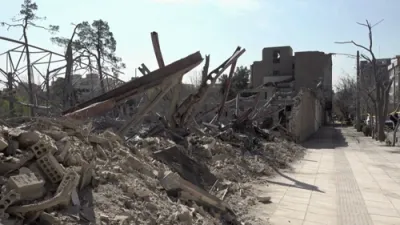
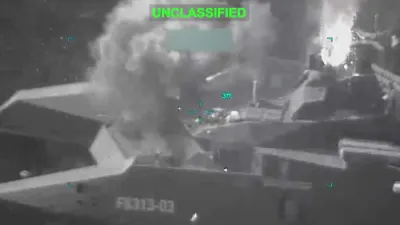
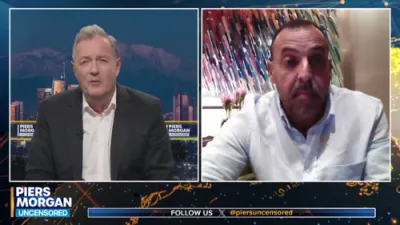
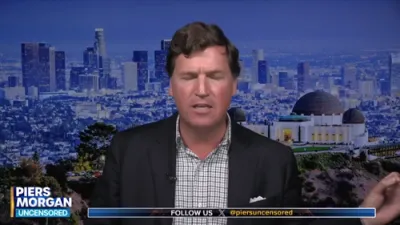
Former Israeli Prime Minister Naftali Bennett firmly rejected claims from broadcaster Piers Morgan that Israel “dragged” the United States into a recent military operation against Iran. In an interview addressing Morgan’s assertions, Bennett quipped, “Does Donald Trump seem like someone who can be dragged into something he doesn’t want to do?” The remarks underscore President Trump’s decisive role in orchestrating “Operation Epic Fury,” a joint U.S.-Israel strike targeting Iranian military and nuclear sites, launched on March 1, 2026.
The exchange highlights persistent media debates over the degree of U.S. involvement in the operation, with some commentators suggesting Israeli influence shaped American participation. Bennett’s response, however, positions Trump as the driving force behind the campaign, asserting that the U.S. acted on its own strategic initiative. According to statements from the White House, Trump himself encouraged Israel to act against the Iranian threat, emphasizing coordination rather than coercion.
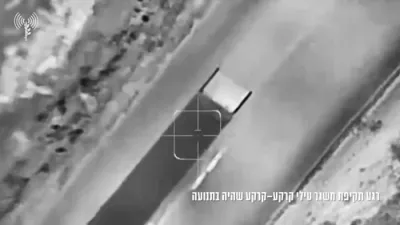
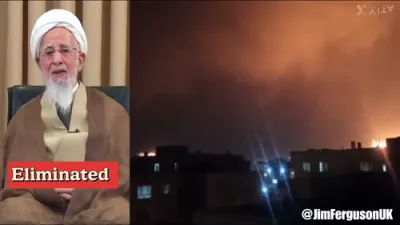
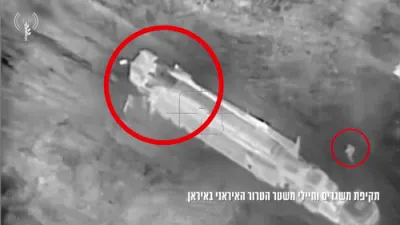
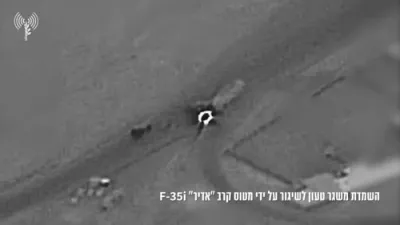
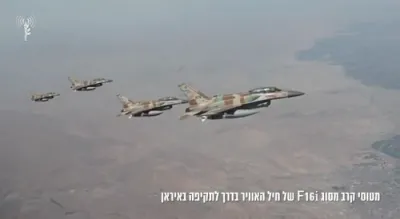
“Operation Epic Fury” marked a significant escalation aimed at disrupting Iran’s nuclear development and reinforcing deterrence in the Middle East. While the strikes were limited and precision-focused, critics—including UN officials and some lawmakers—argued that the operations risked undermining ongoing diplomatic efforts and stalled nuclear talks, despite no immediate Iranian attack prompting intervention. Proponents counter that decisive action was necessary to safeguard U.S. and Israeli security and to prevent further regional destabilization.
Bennett’s remarks also reflect a broader narrative supporting American sovereignty in military decision-making. By highlighting Trump’s leadership, the former Israeli premier reinforces the notion that U.S. engagement in the operation was guided by national interest rather than external pressure. The interview serves as a clear rebuttal to narratives suggesting that Israel manipulated U.S. policy, framing the strikes as a coordinated but U.S.-led initiative.
The public dialogue between Morgan and Bennett illustrates ongoing tensions in media coverage of Middle East policy, where questions of influence and initiative often intersect. For the Trump administration, the emphasis remains on asserting American agency while strengthening alliances with key regional partners, particularly Israel, against potential threats posed by Iran’s military and nuclear ambitions. As diplomatic channels continue, the operation stands as a testament to a strategy combining targeted military pressure with readiness for diplomacy, reflecting Trump’s longstanding emphasis on decisive action when addressing regional security challenges.