איראן שיסט ראקעטן קיין תל אביב.
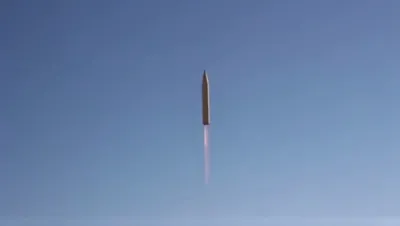
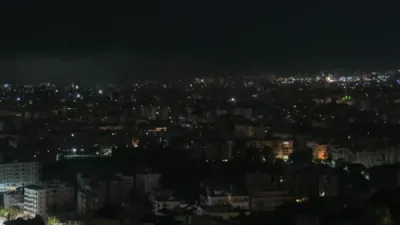
Iran’s direct military confrontation with Israel intensified dramatically after reports from Tel Aviv indicated that the Islamic regime has begun launching ballistic missiles equipped with cluster warheads toward the densely populated metropolitan area. The alarming development emerged during a night barrage when explosions illuminated the skyline above the Israeli coastal city, raising concerns that Iran has escalated its missile campaign by deploying weapons designed to disperse multiple explosive bomblets over wide areas.
Cluster warheads operate by releasing dozens or sometimes hundreds of smaller submunitions during the missile’s descent. Instead of detonating at a single impact point, these bomblets scatter across a large radius, dramatically increasing the risk to civilian populations when used against urban environments. In a city like Tel Aviv, where residential towers, office complexes, and commercial districts are packed tightly together, such weapons could cause widespread destruction and casualties if they penetrate missile defenses.
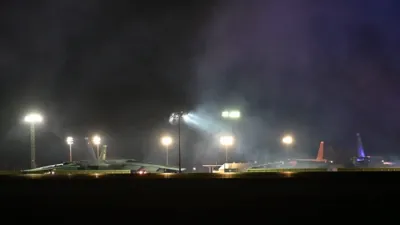
A brief fifteen-second video circulating from the scene shows bursts of light across the nighttime sky above Tel Aviv, resembling a combination of interception attempts by Israeli air defenses and secondary explosions from incoming projectiles. Observers noted that the patterns appeared different from standard ballistic missile interceptions, suggesting that submunitions may have been dispersing in mid-air before impact. Israeli defense authorities are analyzing the footage and sensor data to determine the precise configuration of the weapons used.
The rapidly escalating conflict marks one of the most direct confrontations between Israel and Iran in modern history. For decades, the two adversaries primarily fought through proxy groups and covert operations across the Middle East. The current situation represents a significant shift, with both nations now engaging each other more openly with long-range weapons and strategic strikes.
Israeli defense systems, including multi-layered missile interception platforms, have reportedly intercepted a substantial portion of the incoming threats. Nevertheless, several projectiles have penetrated defenses, resulting in injuries and damage to infrastructure across parts of the country. Emergency services have remained on high alert as authorities warn residents to stay near protected shelters amid continued missile alerts.