איראן שטעלט א סכנה פאר דער גלאבאלער עקאנאמיע דורך דרוק פון די סטרעיט פון הארמוז.
One of the world’s most critical energy lifelines is now at the center of geopolitical tensions as Iran leverages its position along the Strait of Hormuz to pressure global markets. The narrow waterway connects the Persian Gulf to international shipping routes and carries roughly 20 million barrels of oil per day—about one-fifth of global consumption—making it the most important oil transit chokepoint in the world. Even minor disruptions in the strait can send shockwaves through energy markets and raise fuel prices worldwide.
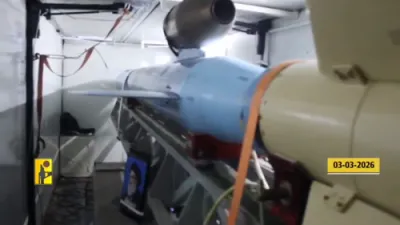
Over the past several years, Iran has invested heavily in military capabilities designed specifically to threaten shipping in the region. These include naval mines, anti-ship missiles, drones, submarines, and fleets of fast attack boats capable of swarm tactics against commercial vessels. Analysts say the strategy is built on asymmetric warfare—tools that are relatively inexpensive but highly disruptive to global trade. Mines alone are considered one of Iran’s most potent deterrents because they can halt traffic without requiring direct naval battles.
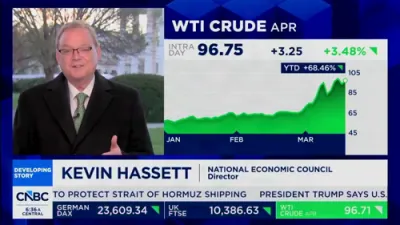
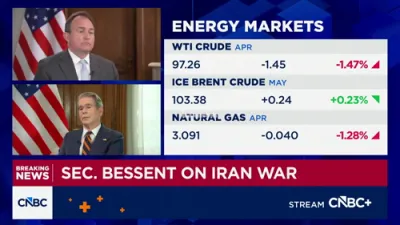
Recent tensions have heightened concerns about these capabilities being deployed. Reports indicate that Iran has already placed mines in parts of the strait and threatened additional action if hostilities continue. Such moves have slowed tanker traffic and caused volatility in oil markets, with energy prices rising as traders factor in the risk of prolonged disruption. Even the perception of danger in the waterway can dramatically affect global supply chains and shipping insurance costs.
The economic stakes are enormous. Countries across Asia—including China, India, Japan, and South Korea—depend heavily on oil shipments that pass through the strait. When shipping slows or halts, exporters in the Gulf struggle to move crude, storage facilities fill quickly, and production cuts often follow. These cascading effects can ripple through global markets, affecting everything from gasoline prices to industrial supply chains.
As tensions persist, the Strait of Hormuz has once again become a central pressure point in global geopolitics. Iran’s strategy relies on the simple reality that controlling even a narrow maritime corridor can translate into massive economic leverage. With military assets positioned along its coastline and islands throughout the strait, Tehran retains the ability to disrupt one of the most vital energy routes on the planet—making the waterway both a strategic bargaining chip and a potential flashpoint for broader conflict.