אן איראנער אטאקע אויף די "באזאן" אויל רעפיינערי אין חיפה האט אנגעמאכט שאדנס
The Bazan refinery, responsible for processing approximately 197,000 barrels per day, accounts for roughly 60% of Israel’s total refining capacity. Its strategic importance makes it a high-value target, and initial reports indicate that the strike caused localized power outages in Haifa. Analysts warn that damage to such a critical facility could disrupt national fuel supplies if operations are significantly affected.
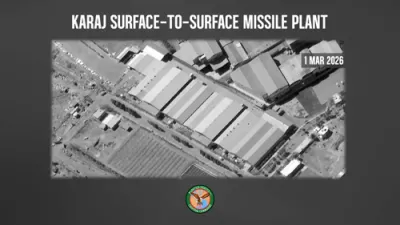
The attack follows a series of escalating exchanges between Israel and Iran that began on February 28, 2026. Iranian missile strikes have intensified in response to Israeli airstrikes on key Iranian assets, including energy infrastructure. The use of advanced ballistic systems signals a shift toward more direct and high-impact engagements between the two adversaries.
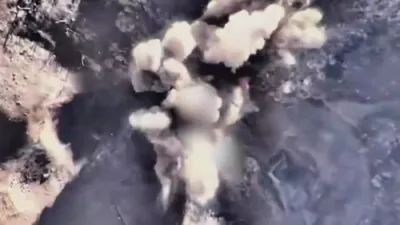
Security experts note that the pattern of explosions seen in the footage suggests the use of munitions designed to maximize area impact, increasing the risk to industrial zones and surrounding areas. Emergency response teams were reportedly deployed to assess damage and secure the site. The situation remains fluid as authorities work to determine the full extent of the impact on infrastructure and safety.
Israeli officials continue to monitor the aftermath while reinforcing defensive measures around critical national assets. The strike on Haifa underscores the expanding scope of targets in the conflict, now including vital economic infrastructure. Observers warn that further escalation could deepen the crisis and increase risks to both regional stability and global energy markets.