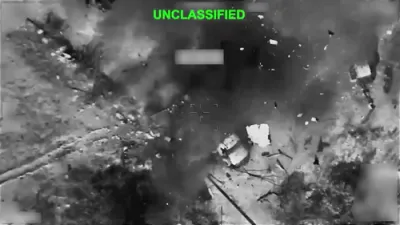
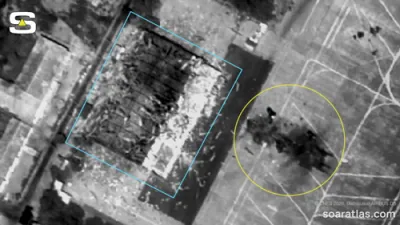
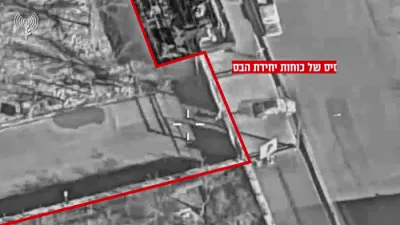
צה"ל ווארטזאגער ביים מעלדן אז איראן האט געשאסן 2 באליסטישע מיסילס ( וועלכע זענען אראפגעשאסן געווארן) אויף א אמעריקאנע- און ענגלישע מיליטערישע באזע אין דייעגא גארסיע וואס דאס מיינט אז די איראנע מיסילס קענען דערגרייכן ווי טיף אין אייראפע אין אלע אייראפישע
The Israel Defense Forces reported that Iran launched a two-stage intercontinental ballistic missile on March 20, 2026, targeting the joint U.S.-UK base at Diego Garcia in the Indian Ocean. According to the IDF Chief of Staff, the missile had a range of approximately 4,000 kilometers, demonstrating capabilities far beyond the previously claimed 2,000 km limit. The strike did not successfully hit its target but highlights Tehran’s ability to project power across strategic distances.
The IDF chief emphasized that these missiles are not intended to strike Israel directly, but their strategic range places European capitals such as Berlin, Paris, and Rome within potential threat zones. Analysts interpret the launch as part of Iran’s broader deterrence strategy, signaling its ability to counter Western intervention in regional conflicts. U.S. and allied forces continue to monitor Iran’s missile activity closely to assess evolving threats to Europe and American installations.
The launch aligns with Iran’s ongoing missile development program, which seeks to enhance both medium- and long-range strike capabilities. Military experts noted that the two-stage design enables longer range and greater payload potential, increasing Iran’s strategic influence in the Indian Ocean and European theaters. Reuters reported that although the missile failed to hit Diego Garcia, the demonstration underscores Tehran’s growing technological sophistication in ballistic systems.
The incident underscores the broader security risks posed by Iran’s missile program, as well as the need for coordinated defense measures among U.S., Israeli, and European forces. While Israel remains outside the immediate target zone, the IDF’s statement highlights the geopolitical implications of Iran’s expanding strategic reach. Experts suggest that missile tests of this nature are designed to deter Western interference in the ongoing Middle East conflicts, including operations in Syria, Lebanon, and Iran itself.