רוביא זאגט אז די יעצטיגע קיובא עקאנאמיע צופאלט אונטער קאמוניזם
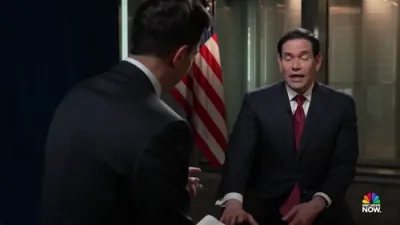
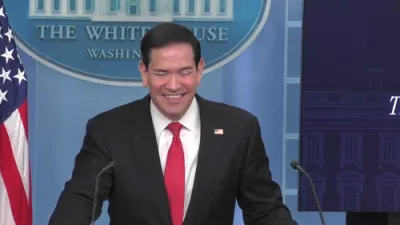
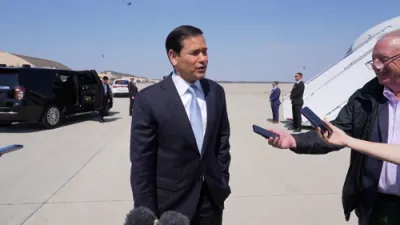
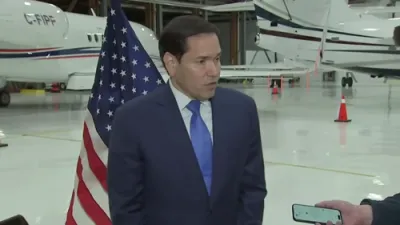
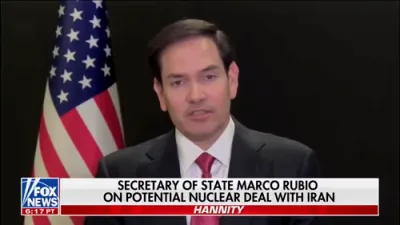
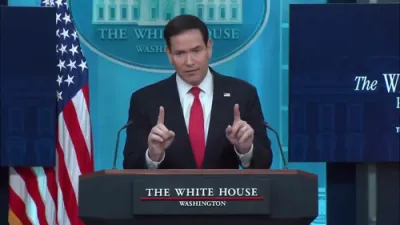
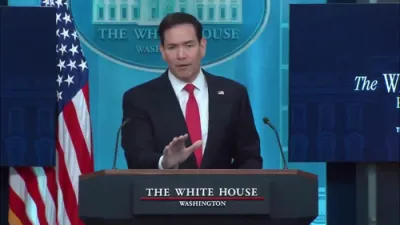
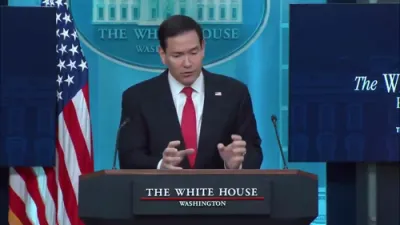
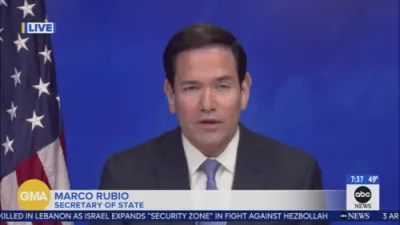
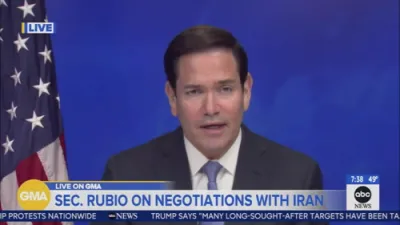
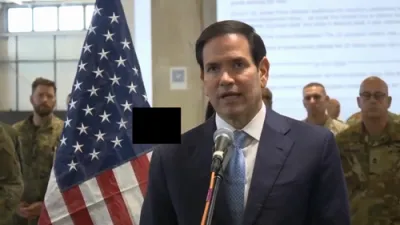
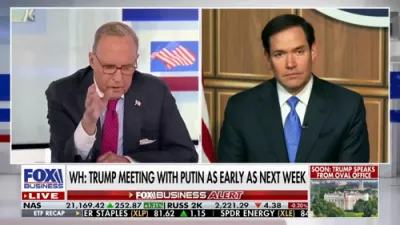
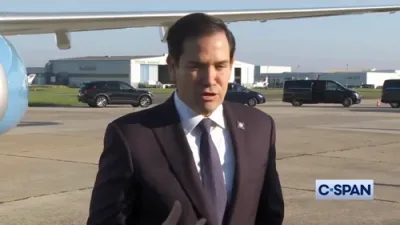
Secretary of State Marco Rubio delivered a sharp criticism of Cuba’s communist government, arguing that ordinary Cubans are being denied the opportunity to succeed because of what he described as a deeply broken economic system controlled by entrenched political leaders. Speaking about conditions on the island, Rubio said the United States wants Cubans to be able to build prosperous lives in their own country rather than being forced to leave in search of economic opportunity abroad. However, he warned that meaningful change will remain impossible as long as the current leadership continues enforcing policies that critics say have devastated private enterprise, weakened economic growth, and restricted individual freedom. Rubio’s comments reflected growing frustration within the administration over Cuba’s worsening economic conditions and continued political repression.
The secretary argued that decades of centralized economic control and resistance to reform have left the Cuban people trapped in a cycle of poverty, shortages, and limited opportunity. Millions of Cubans have left the island over the years, many seeking better jobs, stability, and personal freedoms in the United States and other countries throughout the region. Rubio suggested that the ongoing migration crisis tied to Cuba is not simply an economic issue but also the direct result of political leadership unwilling to modernize or loosen its grip on power. Supporters of the administration have increasingly pointed to Cuba as an example of how authoritarian economic systems can fail citizens while driving large-scale migration pressures across the hemisphere.
Rubio’s remarks also reinforced the administration’s broader hardline approach toward communist governments in Latin America, particularly Cuba, Venezuela, and Nicaragua. The secretary has repeatedly argued that stronger pressure is necessary to confront regimes accused of suppressing dissent, restricting economic freedom, and fueling humanitarian crises that destabilize the region. Supporters praised Rubio for speaking bluntly about the realities facing ordinary Cubans and rejecting calls for policies they believe would legitimize the Cuban government without meaningful reform. His comments are likely to intensify debate over future U.S.-Cuba relations as economic hardship on the island continues worsening and migration remains a major political issue throughout the Americas.