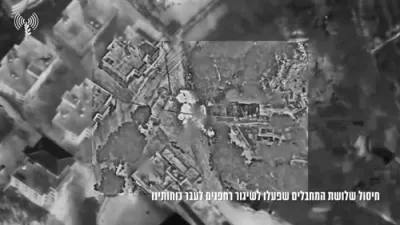
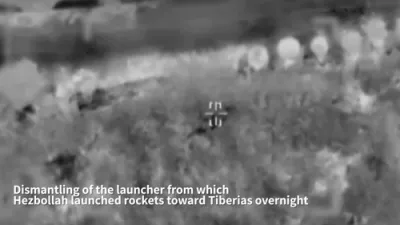
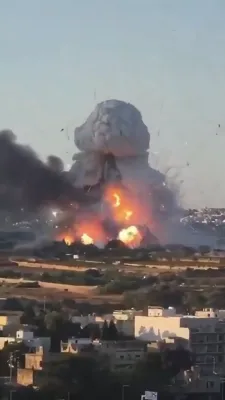
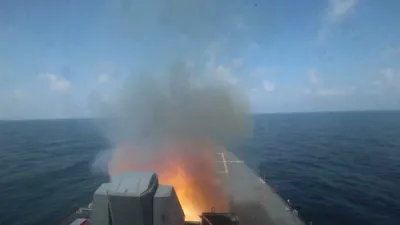
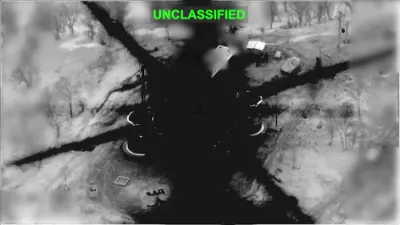
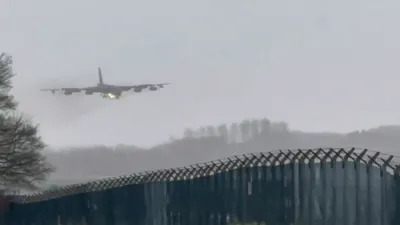
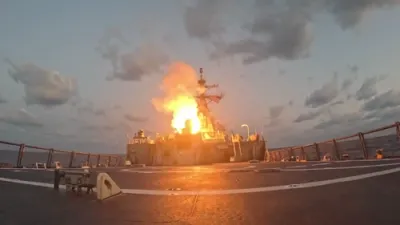
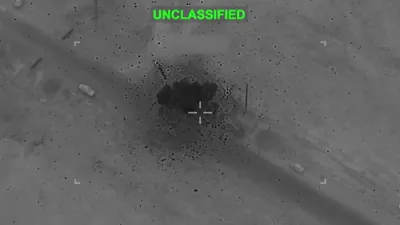
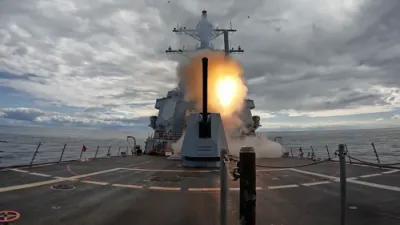
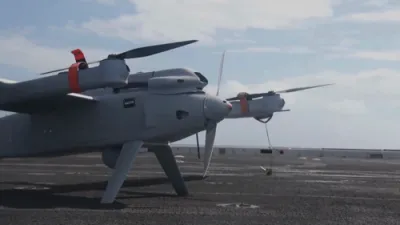
די אמעריקאנער נעיווי האט אומשעדליך געמאכט איראנער-פארבונדענע געפארן קעגן די אינטערנאציאנאלע האנדלס-שיפן אינעם סטראטעגישן דורכגאס פון הורמוז.
The Strait of Hormuz has long been a pressure point that Iran exploits whenever it wants to rattle global markets, threaten U.S. allies, or deflect attention from its failing nuclear ambitions and its crumbling network of regional proxies. Iran has harassed, seized, and attacked commercial vessels in these waters for years, operating under the assumption that the international community would respond with nothing more than stern statements and toothless sanctions. That calculus changed the moment Donald Trump returned to the White House — and this weekend's strikes are the latest proof that America is no longer playing defense while Iran plays offense. The Iranian regime must now reckon with the reality that every asset it positions as a threat to international shipping is a potential target for the most powerful military force on the planet.
The broader strategic context of these strikes cannot be overstated. Iran is not simply a regional nuisance — it is the world's foremost state sponsor of terrorism, the financier of Hezbollah, Hamas, and the Houthis, and the single greatest destabilizing force in the Middle East. By striking Iranian assets in the Strait of Hormuz, CENTCOM is not just protecting shipping lanes — it is dismantling the myth of Iranian invincibility that the regime has carefully cultivated to intimidate its neighbors and defy the West. The Trump administration has made it abundantly clear that economic warfare, proxy terror networks, and maritime aggression will all be met with proportional and, when necessary, overwhelming force. The era of Iran acting without consequences is definitively over.