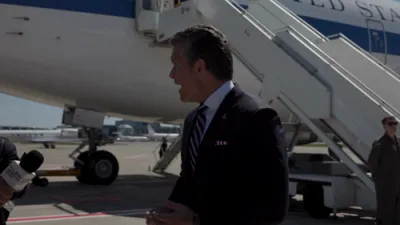
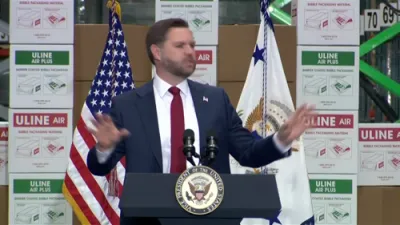
ווענס איבערן זיך טרעפן מיט די איראנע טעראריסטן
Vance Says He's 'Not Uncomfortable' Standing Next to Iran's Bloodstained Parliament Speaker Linked to 12,000 Civilian Murders
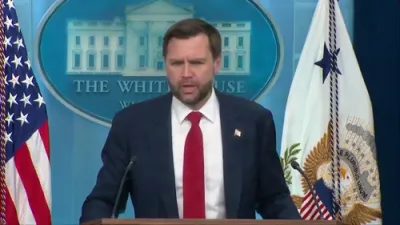
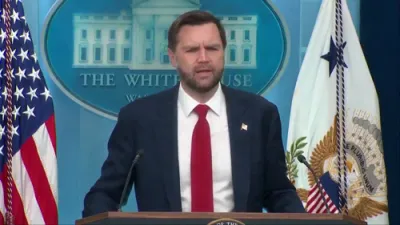
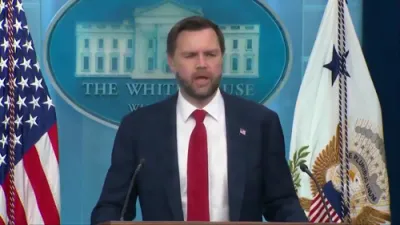
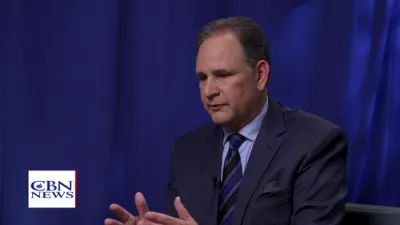
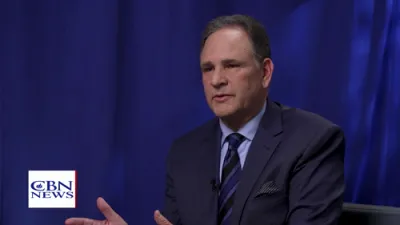
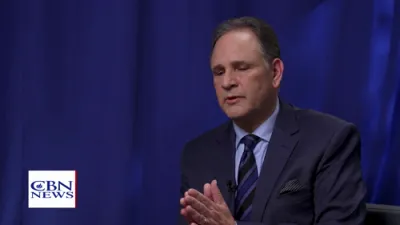
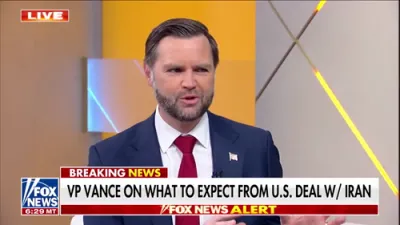
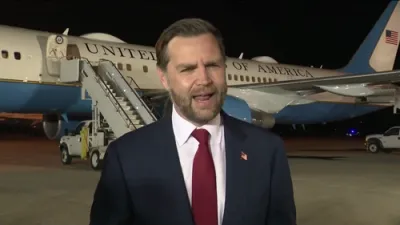
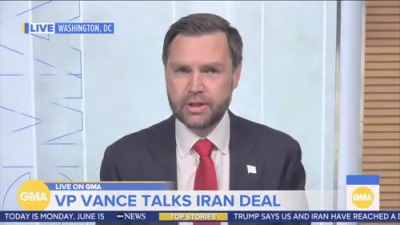
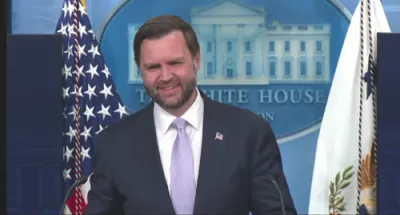
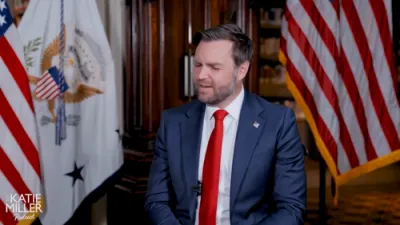
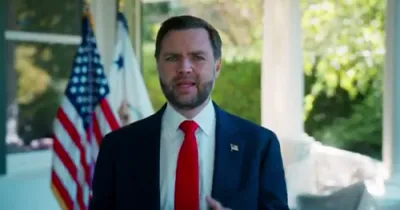
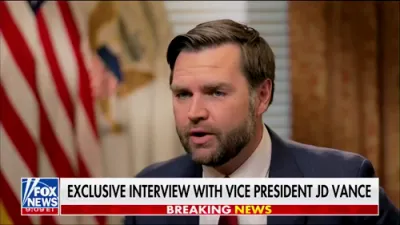
In a stunning admission that has already sent shockwaves through Washington and beyond, Vice President JD Vance told CBN News that he is "not uncomfortable" standing alongside Mohammad Ghalibaf — Iran's Parliament Speaker and a former Islamic Revolutionary Guard Corps commander — at the upcoming U.S.-Iran agreement ceremony in Zurich, Switzerland. What makes that statement so explosive is who exactly Ghalibaf is. He is not a diplomat in the traditional sense. He is a hardline IRGC veteran who, according to multiple international human rights organizations, was directly implicated in the regime's brutal crackdown on the 2025–2026 Iranian civilian uprising — a campaign of state-sponsored terror that left death toll estimates ranging from several thousand to more than 12,000 innocent men, women, and children dead in the streets of their own country. The idea that America's Vice President is comfortable sharing a stage with such a figure has left critics — and allies — absolutely speechless.
Vance's defenders argue that diplomacy is a dirty business and that securing a lasting agreement with Iran requires engagement with the regime's most powerful figures, regardless of how repugnant their records may be. There is a strategic argument to be made: if the 60-day framework is to hold and the de-escalation process is to succeed, the U.S. needs Iran's hardliners in the room, not just its moderates. But that argument does not sit easily alongside the blood-soaked biography of Mohammad Ghalibaf. As a former commander of the IRGC Aerospace Force, Ghalibaf spent decades as one of the Islamic Republic's most feared enforcers. Human rights watchdogs have catalogued the regime's savage response to the Iranian protest movement — mass shootings, torture, disappearances — and placed figures like Ghalibaf squarely in the chain of command that gave those orders. A photo opportunity with the Vice President of the United States represents something far more valuable to Tehran than any diplomatic concession: it is legitimacy, handed over for free.
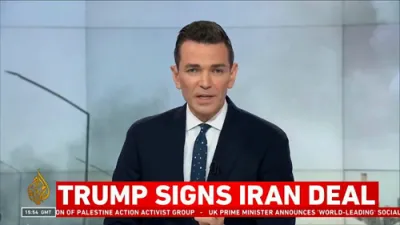
For pro-Israel observers and those who have long championed the cause of the Iranian people against their oppressors, Vance's comments land like a gut punch. The Iranian protesters who were cut down in the streets — many of them young women fighting for the most basic human freedoms — deserved an American administration that would hold their killers to account, not one that would pose for a ceremonial handshake with them in a Swiss conference room. The administration has framed this agreement as a historic diplomatic triumph, and in terms of raw geopolitical achievement, it may well prove to be exactly that. But history will also record that the price of that achievement included looking the other way on a body count that rivals some of the worst atrocities of the modern era. That is a trade-off that the American people — and the surviving families of those 12,000 murdered Iranians — deserve to fully understand before the champagne is poured in Switzerland.