רוביא האט געלאזט הערן א שארפע ווארענונג פאר טעהראן בשעת'ן וויילן אין די פאראייניגטע אראבישע עמיראטן, קלארשטעלנדיג אז איראנער פראקסי אטאקעס וואס קומען פון איראק זענען א רויטע ליניע וואס וועט בשום אופן נישט טאלערירט ווערן.
Rubio Drops Midnight Tarmac Warning: No Real Peace While Iran's Proxy Army Fires Missiles and Drones From Iraq
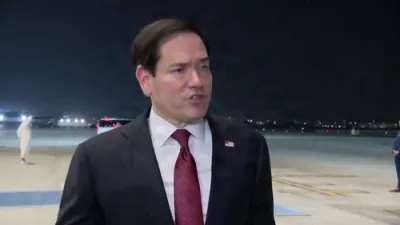
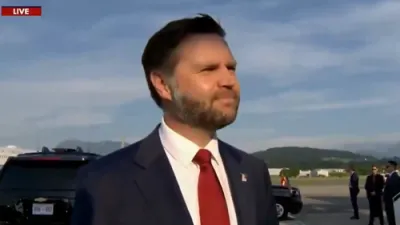
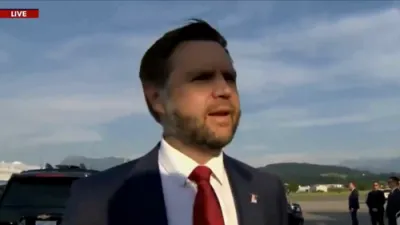
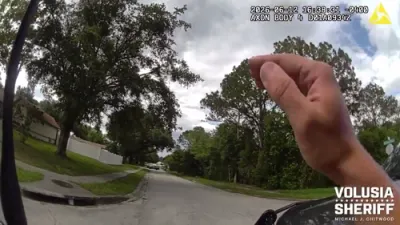
Standing on an airport tarmac in the United Arab Emirates in the dead of night, Secretary of State Marco Rubio delivered one of the most pointed warnings yet to Tehran since the signing of the recent U.S.-Iran memorandum of understanding — making crystal clear that the ceasefire deal is only the beginning of a far harder reckoning to come. Rubio stated flatly that there can be no genuine end to regional hostilities as long as Iranian-backed proxy forces continue launching missiles and drones from Iraqi soil and actively participating in acts of terrorism across the Middle East. The remarks came as Rubio arrived in the Gulf on an urgent diplomatic tour, reassuring nervous allies that Washington has not gone soft and that the most explosive unresolved issues — Iran's proxy network, its ballistic missile program, and its nuclear ambitions — are all still squarely on the table. His tone was measured but unmistakably firm: the clock is ticking, and Iran's shadow war through its proxies will be confronted.
The blunt tarmac statement came in direct response to deep anxiety among Gulf partners, including the UAE and Saudi Arabia, who fear that the current memorandum of understanding leaves too many of Tehran's most dangerous behaviors untouched. Critics of the deal have pointed out that Iran's funding and arming of proxy militias in Iraq, Yemen, and Lebanon — forces that have spent years terrorizing the region with drone and missile barrages — are deferred to later rounds of talks rather than addressed upfront. Rubio acknowledged this concern head-on, framing the proxy issue not as something swept under the rug but as a problem that will be confronted at the appropriate stage of the negotiation process. For Gulf allies who have lived under the constant threat of Iranian-backed aggression, that assurance — delivered personally by America's top diplomat on their soil — carries enormous weight.
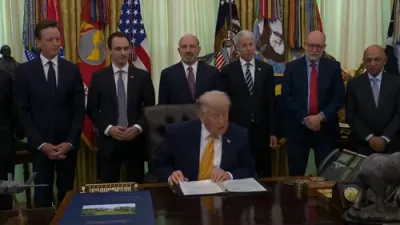
The broader context of Rubio's visit underscores just how fragile and complex the current diplomatic moment truly is. The U.S.-Iran memorandum calls for a complete cessation of all regional conflicts, yet Iranian proxy activity in Iraq alone represents a direct and ongoing challenge to that commitment — a tension that Rubio is clearly determined to address before it unravels the entire framework. Earlier in 2026, U.S. and Iranian forces were engaged in direct military confrontations, making the current ceasefire all the more remarkable — and all the more precarious. The Trump administration is threading an extraordinarily difficult needle: holding the ceasefire together while simultaneously putting Iran on notice that its terror infrastructure cannot survive the next phase of talks intact. Rubio's midnight message from the UAE tarmac was aimed at both audiences — reassuring allies and warning Tehran in the same breath.