עס הערשט א שטילקייט אינעם מיטל מזרח נאכדעם וואס טראמפ האט געצוואונגען איראן זיך צושטעלן צו די נוקלעארע פאדערונגען
Guns Fall Quiet in the Middle East as Trump Forces Iran Back to the Table
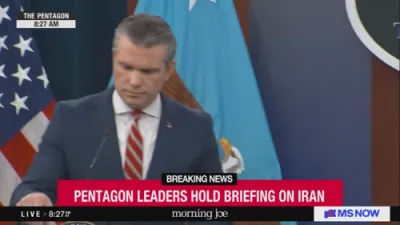
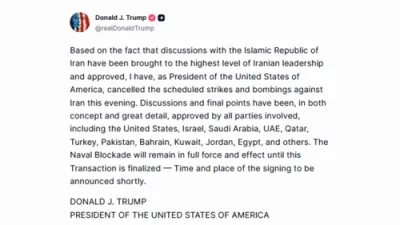
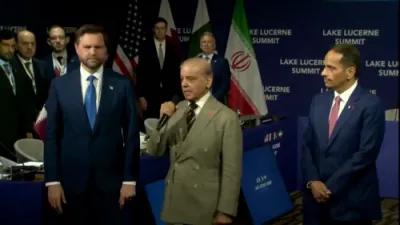
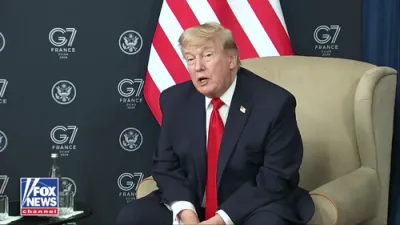
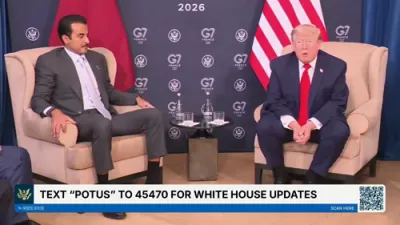
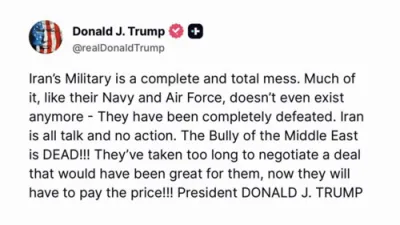
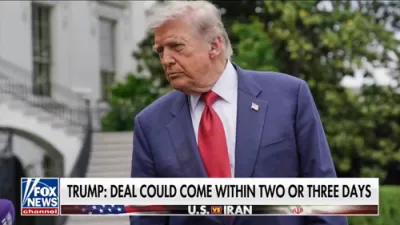
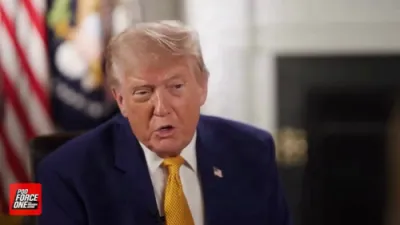
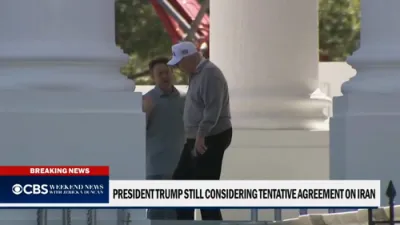
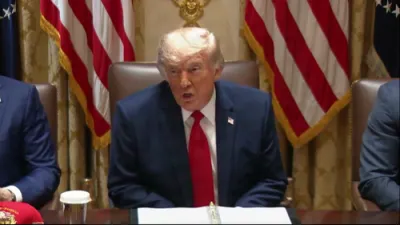
For the first time in weeks, an uneasy silence has settled over the Middle East — and the Trump administration is making clear it intends to keep it that way. After a harrowing exchange of Iranian missile barrages and precision U.S. strikes on key regime targets, the guns have gone quiet, and the world is watching to see whether this fragile calm holds long enough to produce a lasting deal. Nuclear negotiations between Washington and Tehran are now set to resume, with the Trump administration refusing to let a hard-won ceasefire go to waste. This is not luck — it is leverage, the direct result of a President willing to apply maximum military and diplomatic pressure until the other side blinked.
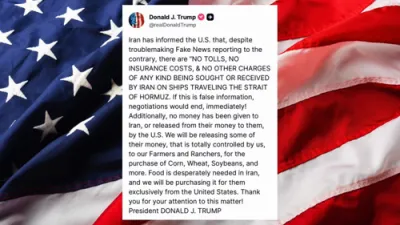
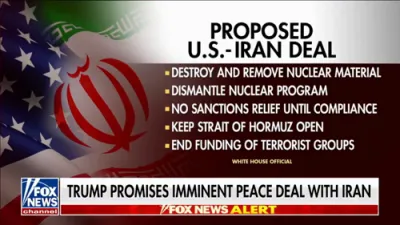
At the top of the White House's priority list is keeping the Strait of Hormuz — the world's most critical oil chokepoint — open and secure for international shipping. U.S. naval assets remain on high alert in the region, a clear signal to Tehran that any attempt to weaponize the waterway will be met with an immediate and overwhelming response. Administration officials are playing their hand shrewdly, arguing that the longer Iran drags its feet at the negotiating table, the weaker its position becomes. With its economy already buckled under sanctions and its military capabilities degraded by U.S. strikes, Tehran cannot afford to stall indefinitely — and every day that passes without a deal is another day Iran loses ground.
For supporters of the Trump administration and Israel, this moment represents exactly the kind of hard-nosed strategy that the previous administration never had the backbone to pursue. Iran is no longer dictating terms — it is responding to them. While the region remains on a razor's edge, the trajectory is unmistakable: a weakened Tehran, an emboldened Washington, and a Middle East that finally understands there are real consequences to threatening American interests and Israeli security. The coming days of talks will determine whether this ceasefire becomes a cornerstone of lasting regional stability or merely the eye of a storm — but right now, for the first time in a long time, the United States has the upper hand.