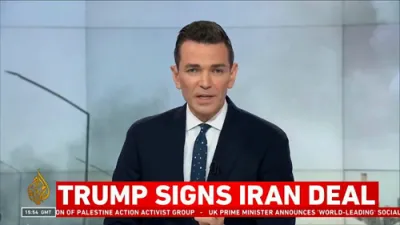
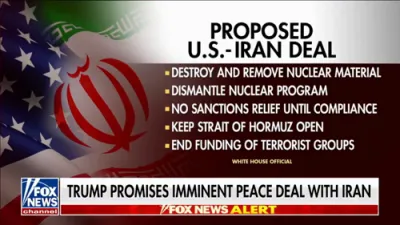
טראמפ'ס שטעלונג: "ס'איז עכט זייער פשוט" — איראן מוז זיך אינגאנצן אנטוואפענען פון נוקלעארע וואפן, אדער וועט נישט זיין קיין שום דיעל.
Trump Draws Hard Line On Iran: 'They're Not Going To Have A Nuclear Weapon'
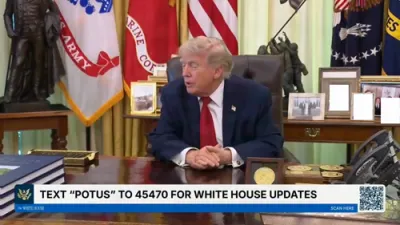
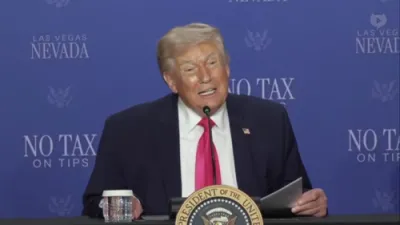
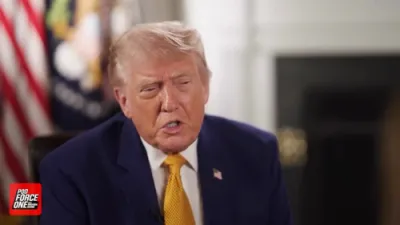
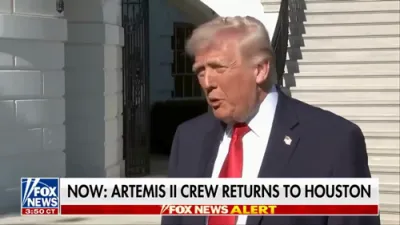
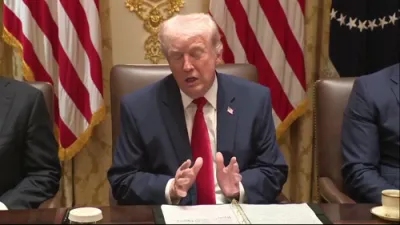
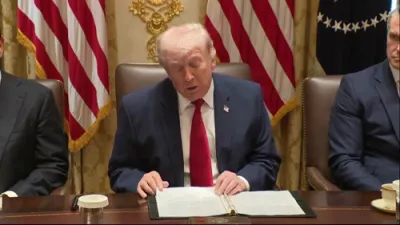
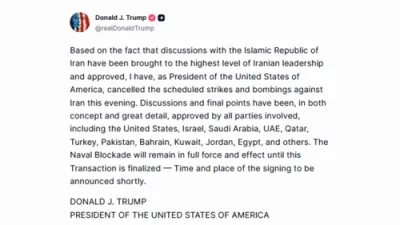
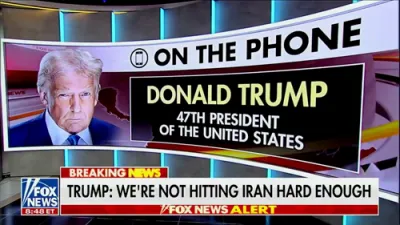
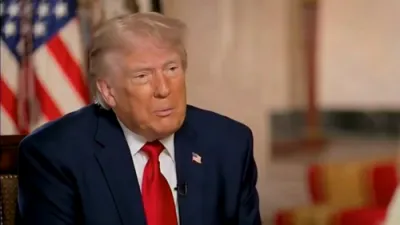
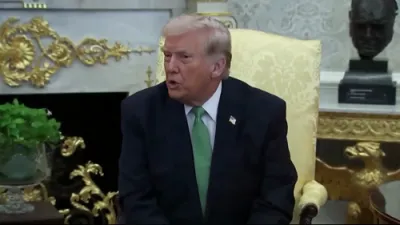
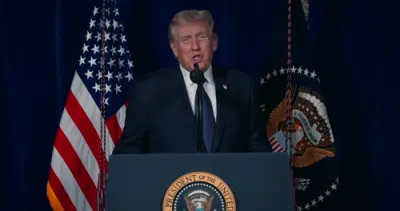
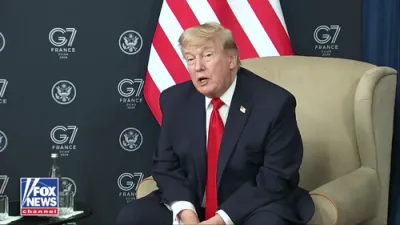
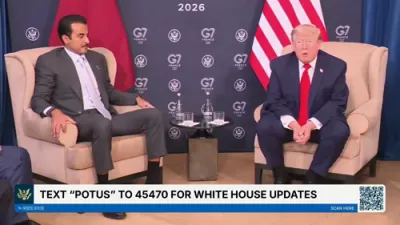
President Trump struck a tone of calm confidence ahead of high-stakes talks in Doha, downplaying the meeting's significance while drawing an unmistakably firm line on the one issue that matters most to his administration: keeping nuclear weapons out of Iran's hands forever. Speaking to reporters, the president acknowledged uncertainty about how productive the Doha discussions would actually be, candidly noting that the meeting "is going to be perhaps important, perhaps not," and that the outcome remains to be seen. It was a refreshingly honest assessment from a leader unwilling to oversell diplomatic theater, choosing instead to focus on the one outcome that truly counts.
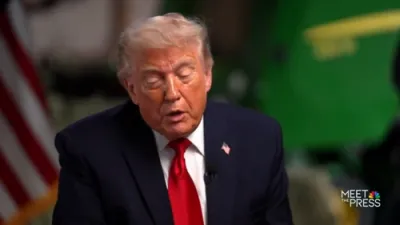
True to form, Trump cut through the usual Washington doublespeak and reduced the entire conflict to its essential core, declaring it "really very simple." For the president, the issue has never been about complicated multilateral frameworks or endless technical negotiations — it is about one thing and one thing only: denuclearization. He left zero room for ambiguity, stating flatly that the United States does not want Iran to possess a nuclear weapon, and then went a step further with the kind of confident, no-nonsense guarantee that has defined his approach to foreign policy, asserting plainly that Iran simply "is not going to have a nuclear weapon."
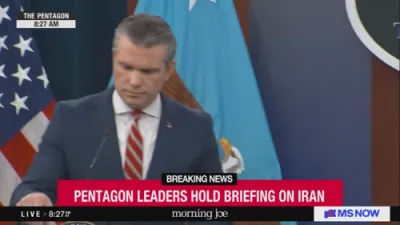
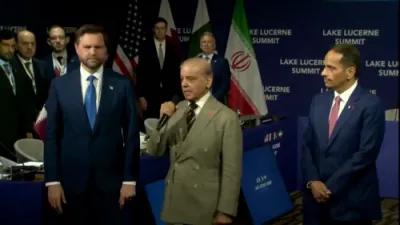
The comments arrive at a pivotal moment, with U.S. officials preparing to sit down with Iranian counterparts in Qatar in pursuit of a formal memorandum of understanding building on the fragile ceasefire already in place. While Tehran has signaled it will only engage in indirect talks, Trump's blunt remarks send an unmistakable message heading into the negotiations: Washington's red line on nuclear weapons is not up for debate, regardless of how the diplomatic theater in Doha ultimately plays out. Supporters of the president's approach argue that this kind of straightforward, no-illusions clarity is exactly what has kept adversaries off balance and brought Iran to the table in the first place — proof that strength, not appeasement, is what finally moves the needle in the Middle East.