ווענס: די אויל פלוס דורכן הארמוז דורכגאס קומט צוריק אין פולן שוואונג, און די פרייזן האלטן ווייטער אין איין פאלן.
Vance Declares Victory: Strait of Hormuz Pumping More Oil Than Before The War
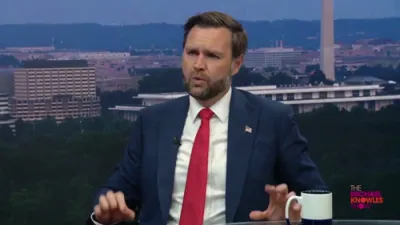
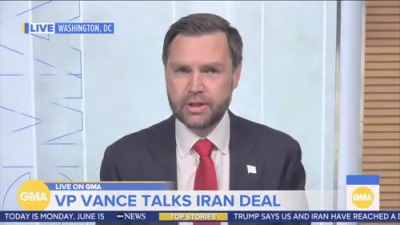
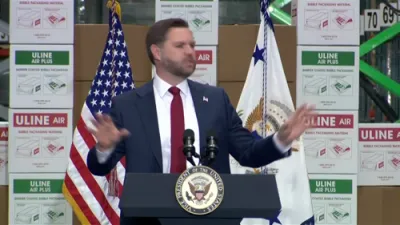
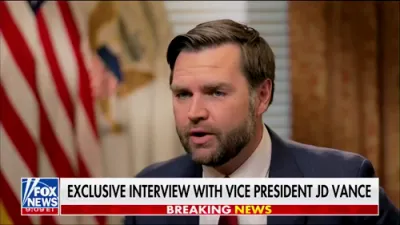
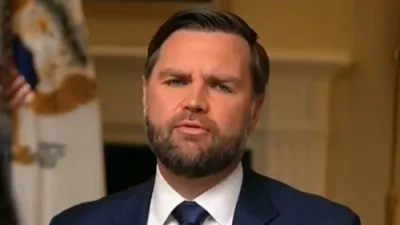
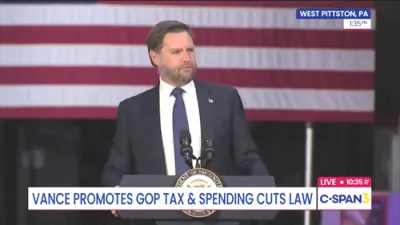
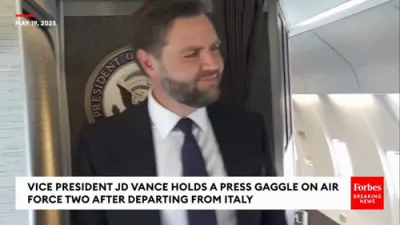
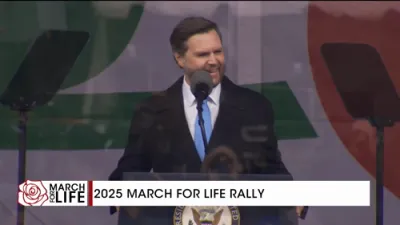
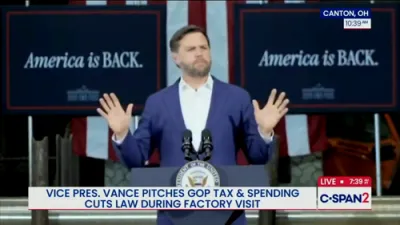
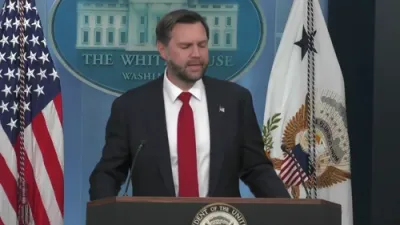
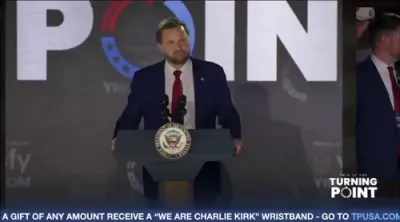
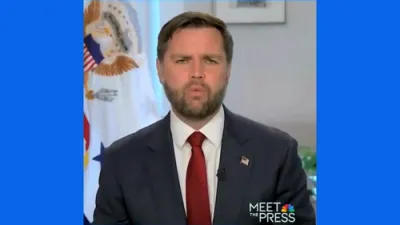
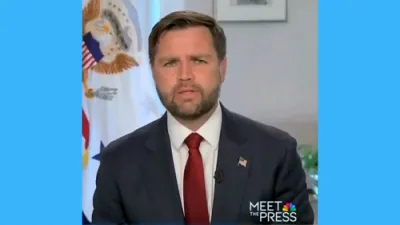
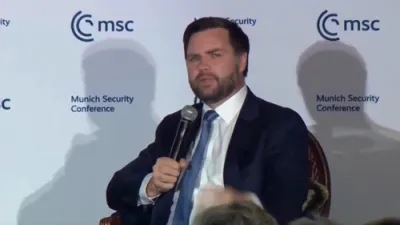
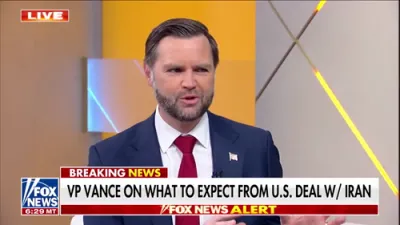
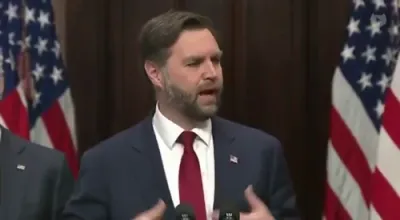
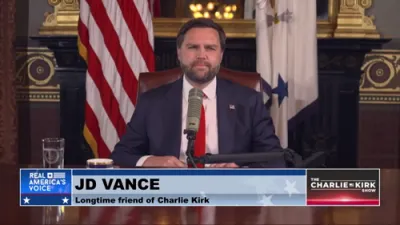
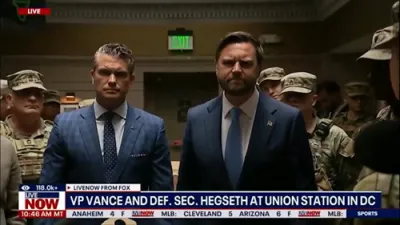
Vice President JD Vance delivered a striking assessment of the global energy landscape, declaring that oil flowing through the Strait of Hormuz has not only recovered since the height of the recent conflict but on some days is actually surpassing the volumes seen before hostilities began. Speaking publicly about the tangible results of the Trump administration's Iran ceasefire deal, Vance pointed to the dramatic decline in oil prices as the most visible and immediate proof that the agreement is already working in America's favor. His remarks signal growing confidence within the administration that the geopolitical gamble of pushing for a ceasefire with Iran is paying real economic dividends for American consumers and businesses alike.
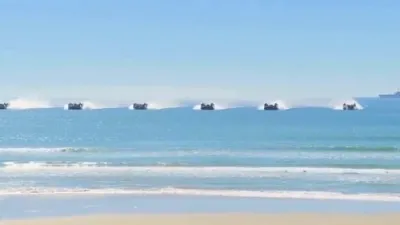
The Strait of Hormuz, the narrow waterway connecting the Persian Gulf to the global oil market, handles a significant portion of the world's daily crude supply — making it one of the single most strategically important chokepoints on the planet. During the period of heightened conflict, disruptions to shipping through the strait sent energy prices climbing and rattled global markets already under pressure. Vance's declaration that flows through Hormuz are now, on certain days, exceeding pre-conflict levels is a dramatic reversal of that trend and one the administration is clearly eager to highlight as a concrete win for Trump's diplomatic approach to the Iran standoff.
Vance acknowledged that a full normalization of the global oil economy will take some additional time as producers ramp up output and supply chains stabilize, but he was unambiguous that the direction of travel is already clear and favorable. Energy prices have already dropped significantly since the ceasefire took hold, giving households and businesses across the country early relief at the pump and in utility bills. For the Trump administration, Vance's framing puts a clear economic face on what began as a foreign policy achievement — driving home the message that strong, decisive diplomacy backed by the credible threat of force translates directly into lower costs for everyday Americans.