כאאס ביים גרעניץ: מיגראנטן צינדן אונטער פארמיטלען אין א קאמף צו אנקומען קיין שפאניע.
Buses Torched, Rocks Fly as Migrant Mob Clashes With Police in Morocco
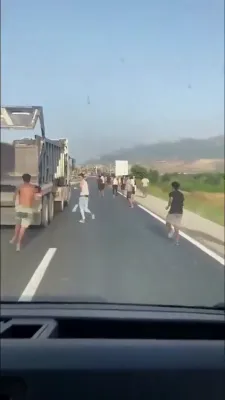
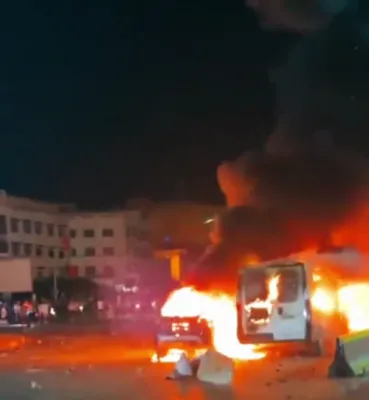
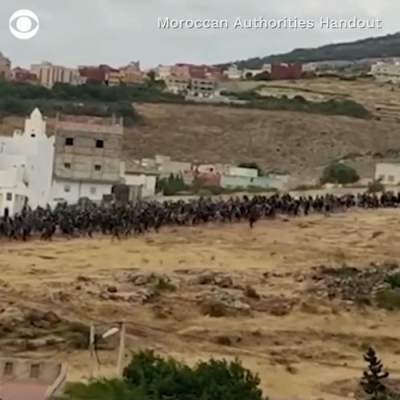
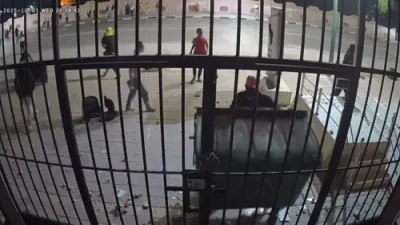
Chaotic and violent scenes erupted overnight in Fnideq, Morocco, as crowds of migrants attempting to force their way into Spain's Ceuta enclave set buses and cars ablaze while hurling rocks at police in a dramatic escalation of an already spiraling border crisis. Nighttime video captured a large vehicle engulfed in flames with emergency lights flashing as crowds surrounded the wreckage, one of several burned vehicles later documented near the border, including what authorities described as a torched bus and at least seven burned cars. The unrest forced Moroccan security forces into a sustained confrontation with the crowds as they attempted to restore control over the border area.
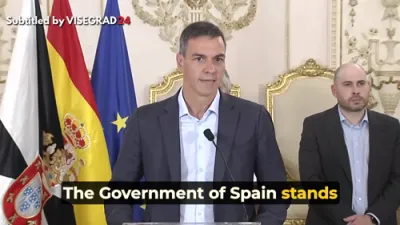
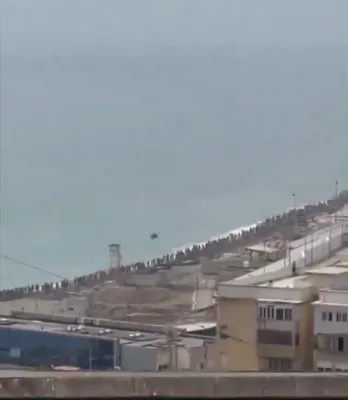
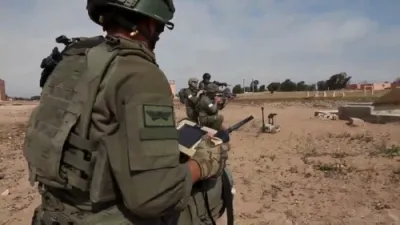
The violence stems directly from a massive surge that saw roughly 50,000 to 60,000 people attempt to storm into Ceuta from Morocco beginning July 31, overwhelming the tiny Spanish enclave and prompting Madrid to deploy military forces and additional police reinforcements to regain control. The crisis has already claimed dozens of lives, with reports of migrants drowning during sea crossings or dying in stampedes near border breakwaters as desperate crowds pushed toward Spanish territory by both land and sea. Moroccan authorities responded with water cannons, tear gas, and warning shots in an effort to stem the flow, but thousands continued streaming toward the border throughout the night despite the reinforced security presence.
The scenes of burning vehicles and rock-throwing crowds in Fnideq underscore just how quickly the situation has deteriorated on the Moroccan side of the border, even as Spanish authorities work to process and return tens of thousands of migrants who successfully crossed into Ceuta. With European leaders already sounding alarms over the scale of the crisis and its implications for regional migration policy, the violent clashes in Fnideq stand as a stark reminder that the pressure at Europe's southern gateway shows no signs of easing anytime soon.